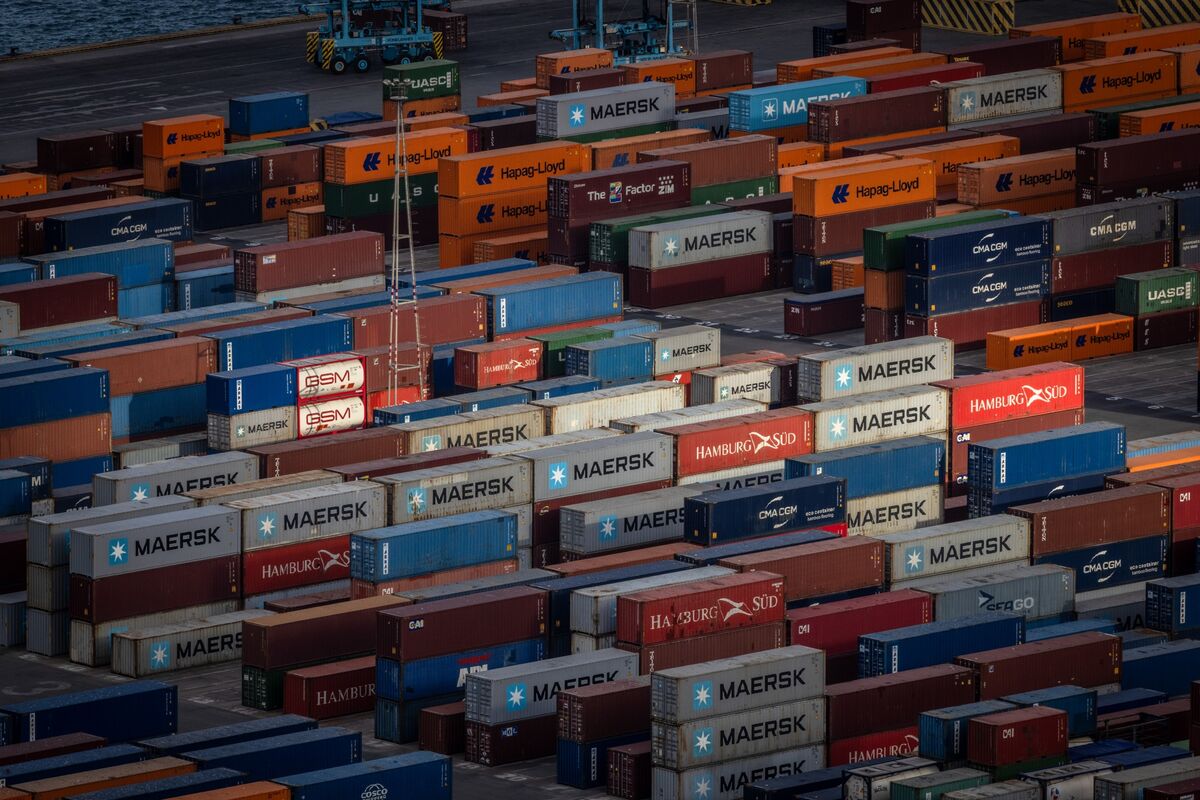
The EU is pursuing closer cooperation with countries like Canada and Japan, which are also impacted by US tariffs, and is delaying its own countermeasures against the US to facilitate negotiations. This strategic move follows a US threat of a 30% tariff on the bloc by August, which German Chancellor Merz warns would severely impact exporters, leading to a slide in US and European stock futures and Asian shares amid escalating trade tensions.
Heightened transatlantic trade tensions are creating a headwind for global equities, as evidenced by a slide in US, European, and Asian stock futures. The European Union is adopting a dual strategy in response to a US threat of a 30% tariff by August: delaying its own countermeasures to allow for negotiation while simultaneously seeking alliances with other tariff-impacted nations like Canada and Japan. The severity of the potential economic damage is underscored by German Chancellor Friedrich Merz's warning that such a levy would hit the nation's exporters 'to the core,' signaling significant risk for export-oriented European economies. This geopolitical uncertainty, reflected in a moderately negative sentiment score, contrasts with isolated pockets of market optimism, such as Bitcoin surging past $120,000 for the first time. Furthermore, oil markets face additional near-term volatility, with traders on alert for a major US statement regarding Russia.
AI-powered research, real-time alerts, and portfolio analytics for institutional investors.
Request DemoOverall Sentiment
moderately negative
Sentiment Score
-0.40
