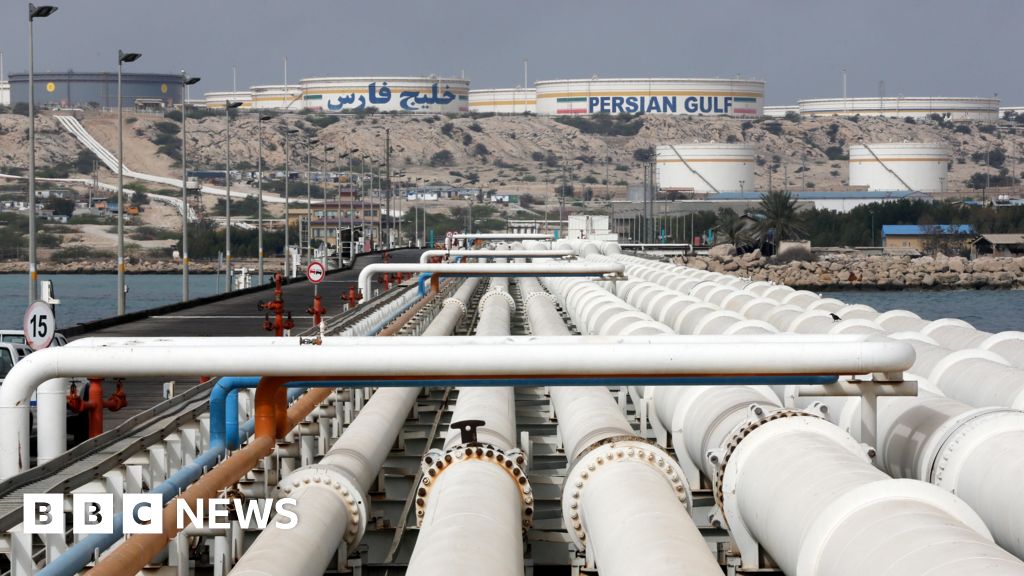
Key figure: ~90% of Iran's oil exports transit Kharg Island, a 20 sq km terminal that can load VLCCs (~2M barrel capacity). President Trump signalled a possible seizure using roughly 5,000 US Marines and ~2,000 82nd Airborne paratroopers to cut Iranian fuel exports and pressure Tehran, but Iran has fortified defenses (SAMs, mines, drones) and threatens heavy retaliation. The operation risks severe casualties, sustained Iranian bombardment while holding the island, and major disruption to the Strait of Hormuz — implying a significant upside shock to oil prices and global shipping risk; Iran also reportedly extorts vessels (~$2m) at nearby Larak.
Expect market moves to be driven more by transport friction and insurance than by immediate physical barrels. A sustained pulse of maritime risk typically raises VLCC voyage costs by multi-million-dollar increments (each Asia–US voyage +$1–4m if forced around longer routings), which translates into a $1–4/bbl effective premium on seaborne crude flows within days, pressuring product margins downstream.
Time-horizons separate here: days-to-weeks for freight/insurance spikes and options vol; weeks-to-months for inventory rebalancing and buyer-side rerouting; quarters for capital investment (pipelines, onshore storage) that permanently change trade patterns. Key near-term catalysts that could erase a premium are large emergency SPR releases or a credible diplomatic de-escalation — both would show price relief within 3–6 trading sessions.
Second-order winners include owners of tonnage and brokers who capture step-up in charter rates and insurance spreads; losers are fuel-intensive logistics and carrier sectors that cannot pass through sudden cost increases. US onshore producers have asymmetric optionality — they can accelerate flows in 60–180 days, capping multi-quarter price windfalls and favoring names with spare takeaway capacity.
A meaningful contrarian risk: the market is pricing a prolonged blockade as binary when history shows intermittent harassment drives high volatility but limited long-term supply destruction. If disruption remains episodic, implied vol will be rich and front-month option spreads mean-revert, creating tactical short-vol opportunities once immediate headline risk fades (3–10 trading days).
AI-powered research, real-time alerts, and portfolio analytics for institutional investors.
Request DemoOverall Sentiment
strongly negative
Sentiment Score
-0.60
