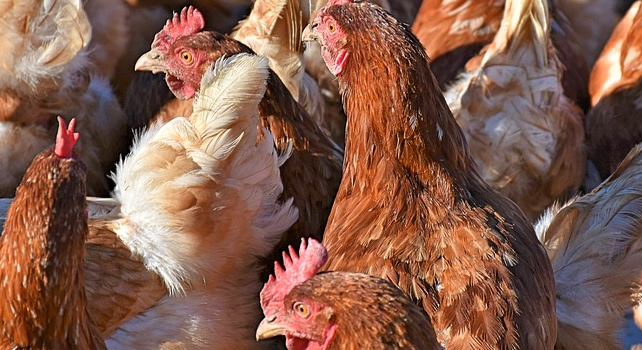
An older adult in Washington state with underlying conditions has died after contracting H5N5 avian influenza, confirmed by the University of Washington and the CDC; authorities say this is the first recorded human infection with H5N5 globally and the second US human fatality linked to bird flu this year (a separate H5N1 death in Louisiana in January). Officials believe exposure was from the patient’s backyard mixed domestic birds, report the public risk as low and find no evidence of human-to-human transmission. The development merits monitoring for zoonotic spread and potential implications for poultry supply chains and vaccine/surveillance demand, but immediate systemic market impact appears limited.
Market structure: Animal-health providers (Zoetis ZTS, Elanco ELAN) and diagnostics/vaccine platform companies (Thermo Fisher TMO, Illumina ILMN, Moderna MRNA) stand to see incremental revenue from heightened surveillance, sequencing and poultry vaccination programs; expect a 3–12 month revenue uptick of mid-single-digit percent for large suppliers if outbreaks expand beyond backyard flocks. Poultry integrators (Pilgrim’s Pride PPC, Tyson TSN) face episodic margin pressure from culling, testing and consumer avoidance; a material operational hit (>1–2% EPS drag) requires multi-week commercial-flock detections. Market pricing power will favor global diagnostic OEMs over commodity protein producers; chicken/feed commodity moves will be localized unless >1% of supply is culled.
Risk assessment: Tail risk is low-probability but high-impact: sustained human-to-human transmission or >5 commercial-flock outbreaks in the US within 30 days could trigger regulatory bans, widespread culling and >10% protein price shocks; prepare for bond spread tightening in food/ag credit if multiple integrators report breaches. Short-term (days–weeks) volatility will center on headlines and sequencing reports; medium-term (months) depends on USDA/WHO policy actions. Hidden dependencies include feed corn/soy demand shifts and export bans that could propagate to ag names and regional FX in protein-exporting countries.
Trade implications: Favor size-constrained, defensive exposure to ZTS/ELAN (animal vaccine and meds) and TMO (lab consumables/sequencing workflow) with option overlays to cap downside; consider 3–6 month call spreads on TMO to capture surveillance-driven demand. Short selective poultry-integrator exposure (PPC, TSN) or buy puts if new commercial-flock cases exceed 100k birds nationally; rotate out of quick-service restaurant names if consumer protein flight persists beyond 30 days.
Contrarian angle: Consensus underweights the incremental recurring revenue from enhanced biosecurity and diagnostics contracts (multi-year service agreements). If the market treats this as a one-off, diagnostic names will be underpriced — a 5–10% re-rating over 6–12 months is plausible if surveillance budgets increase regionally. Conversely, betting heavily against diversified meat conglomerates is risky unless demonstrable sustained outbreaks appear; avoid blanket shorts without the >5-flock trigger.
AI-powered research, real-time alerts, and portfolio analytics for institutional investors.
Request DemoOverall Sentiment
mildly negative
Sentiment Score
-0.25
