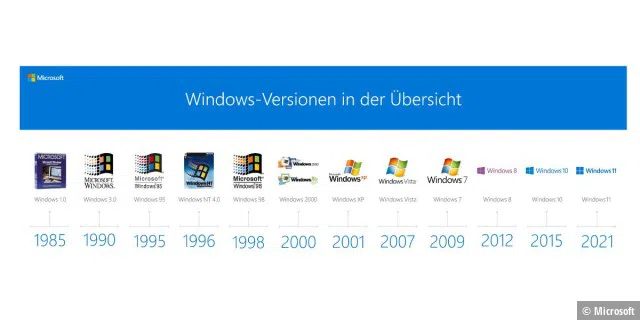
Microsoft introduced Windows commercially in November 1985 and the article traces its evolution from Windows 1.0 through Windows 11, highlighting key technical milestones (Start menu, plug-and-play, Internet Explorer integration, NT consolidation), major strategic acquisitions (Forethought/PowerPoint, Hotmail, FrontPage, Visio), hardware moves (Surface, Xbox) and high-profile missteps (Windows ME, Vista, failed mobile push). The piece underscores how Microsoft used platform bundling—most notably tying Internet Explorer to Windows—to entrench market share, while Office remained a perennial cash engine and Windows stayed a central revenue driver even as the company struggled in mobile. Strategically, Microsoft has shifted under Satya Nadella toward cloud and services to offset consumer‑OS volatility; the company reported a net profit of $21.86 billion in the last calendar year, illustrating the financial heft underpinning its platform- and cloud-focused pivot.
The article documents Microsoft’s commercial launch of Windows on November 20, 1985 and traces the product lineage through Windows 11, highlighting technical milestones such as the Start menu, plug‑and‑play, Internet Explorer integration and consolidation on the NT kernel. It catalogs strategic acquisitions that built Microsoft’s application stack — Forethought (PowerPoint) in 1987, Vermeer/FrontPage in 1996 for $133m, Hotmail in 1997 for $400m and Visio in 2000 for $1.3bn — and emphasizes Office and Windows as persistent cash engines.
The narrative underscores Microsoft’s scale with a reported $21.86 billion net profit in the last calendar year while also documenting recurring execution risks: high‑profile product missteps (Windows ME, Vista), a failed mobile entry, and an update debacle with Windows 10 version 1809. It recalls competitive and regulatory consequences from bundling Internet Explorer (the 1995 browser war and EU scrutiny around 2006), signaling antitrust and integration risks remain relevant.
Under Satya Nadella the company’s strategic pivot toward cloud and services is presented as the remedy to prior volatility; hardware bets (Surface launched 2012 with mixed reviews) and Xbox (3 million Xbox One units sold by end‑2013) diversify revenue but show uneven execution. The investment tradeoff is durable free cash flow from legacy franchises and growing cloud revenues versus operational, product‑quality and regulatory execution risks that can materially affect near‑term sentiment.
AI-powered research, real-time alerts, and portfolio analytics for institutional investors.
Request DemoOverall Sentiment
neutral
Sentiment Score
0.00
Ticker Sentiment
