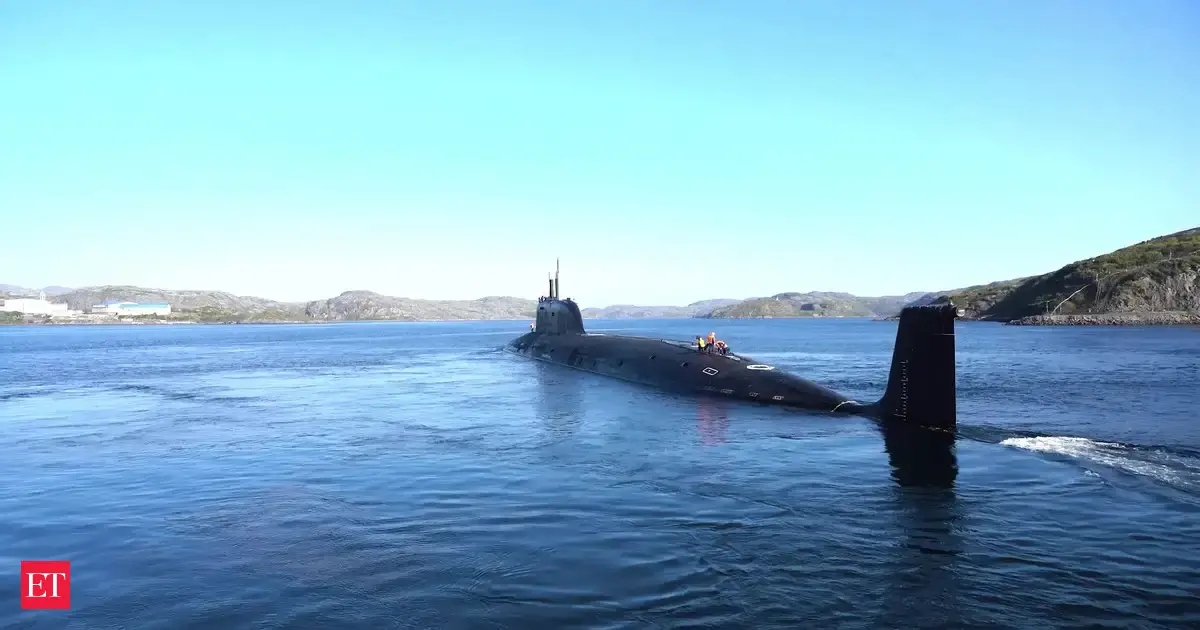
A Russian Kilo-class submarine, the Novorossiysk, was forced to surface near the Strait of Gibraltar due to a critical fuel system leak, creating an explosion risk and potentially necessitating the discharge of fuel into the Mediterranean Sea as the crew lacks repair capabilities. This incident underscores significant concerns about Russia's naval operational readiness and safety, particularly for a nuclear-capable vessel integral to the Black Sea Fleet. The situation highlights potential geopolitical instability in a strategic shipping chokepoint, especially following the recent destruction of a sister submarine by Ukrainian forces.
The forced surfacing of the Russian Kilo-class submarine Novorossiysk near the Strait of Gibraltar due to a critical, unrepairable fuel system failure represents a significant blow to Russia's naval prestige and operational readiness. The internal fuel leak, creating an explosion risk, and the crew's inability to resolve the issue due to a lack of parts and specialists onboard, expose severe logistical and maintenance deficiencies within the Russian military. As a nuclear-capable platform integral to the Black Sea Fleet, its incapacitation, following the recent reported destruction of its sister submarine Rostov-on-Don, signals a material degradation of a key strategic asset. The situation is amplified by its location in a high-traffic maritime chokepoint, with the potential need to discharge fuel into the Mediterranean presenting a major environmental and diplomatic risk. This incident, drawing parallels to the 2000 Kursk disaster, reinforces negative perceptions of the reliability of Russian military hardware and elevates geopolitical tensions in an already sensitive region.
AI-powered research, real-time alerts, and portfolio analytics for institutional investors.
Request DemoOverall Sentiment
strongly negative
Sentiment Score
-0.75
