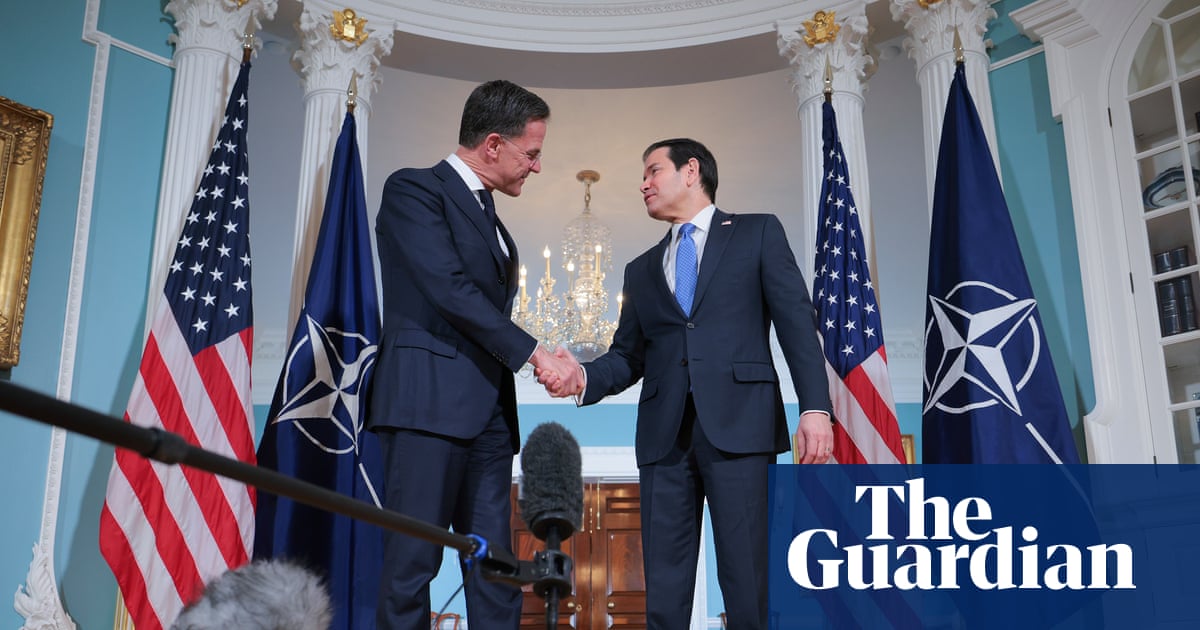
Two key developments: a US-Iran two-week ceasefire was agreed (including reopening the Strait of Hormuz) and a closed-door meeting in Washington highlighted US president’s threats to reassess NATO ties after allies declined military support. The dispute raises near-term oil price volatility and trade-route risk (Strait of Hormuz), with potential upside for energy and defense suppliers but increased geopolitical risk premia for broader markets. A 2023 US law blocking unilateral NATO withdrawal lowers the chance of an immediate exit, but political uncertainty and rhetoric sustain medium-term policy and alliance risk.
Fractures in transatlantic security cohesion raise a persistent geopolitical risk premium that markets will price into energy, insurance, and defense flows over asymmetric horizons. In the near term (days–weeks) this manifests as higher insurance and shipping costs and a 5–15% tail move in Brent if perceptions of NATO deterrence deteriorate again; medium-term (3–12 months) it tilts procurement cycles, inventories and munitions ordering, which feed through to defense prime revenue visibility and backlogs.
Second-order winners are not just the large US primes but re/insurers and niche military suppliers that supply munitions, ISR and logistics spare parts — these firms see durable order re-rates rather than one-off spikes. Conversely, commercial transport and leisure exposure (airlines, container shippers) will suffer margin hits from higher fuel and insurance expenses; expect EBITDA compression to show up within one quarter of renewed Gulf disruptions.
Legal and political constraints (statutory bar on a unilateral US NATO exit) lower the probability of a literal break, but operational drawdowns (reduced deployments, restricted basing/overflight access) are a realistic intermediate state — that asymmetric outcome supports short-dated energy volatility trades and longer-dated conviction in defense equities. Key catalysts: confirmation votes/legislation on US basing and NATO supply decisions, EU defence procurement announcements, and any re-closure of Hormuz — monitor on 1–6 month cadence.
AI-powered research, real-time alerts, and portfolio analytics for institutional investors.
Request DemoOverall Sentiment
mildly negative
Sentiment Score
-0.35
