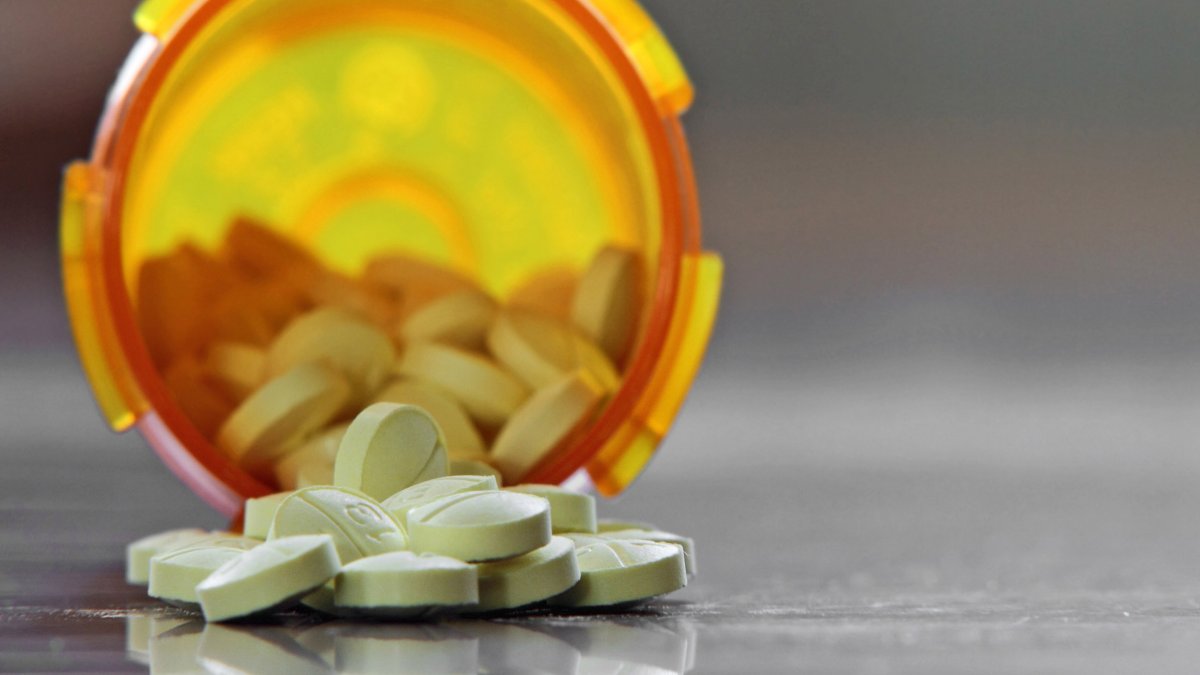
Pharmaceuticals USA Inc., identified as Teva USA, has initiated a nationwide Class II recall of over 580,000 bottles of Prazosin Hydrochloride capsules across 55 lots due to the presence of N-nitroso Prazosin impurity C, a cancer-linked chemical, exceeding acceptable intake limits. While the FDA classifies this as potentially causing temporary or reversible adverse health consequences, Teva's internal assessment indicates a 'medium' overall harm, though the company reports no relevant complaints and notes the availability of alternative treatments for the blood pressure medication.
Pharmaceuticals USA Inc., identified as Teva USA (TEVA), has initiated a nationwide Class II recall of 580,844 bottles of Prazosin Hydrochloride capsules across 55 lots. This recall stems from the presence of N-nitroso Prazosin impurity C, a cancer-linked chemical, exceeding acceptable intake limits, posing a significant quality control concern for the drugmaker. The product, a widely-used blood pressure medication, was distributed nationwide, indicating a broad market exposure for the affected batches.
The FDA classified this as a Class II recall, suggesting the product "may cause temporary or medically reversible adverse health consequences" or that the probability of serious adverse health consequences is remote. However, Teva's internal Health Hazard Assessment indicates an overall "medium" harm to the patient population, which contrasts with the company's statement of having received no "relevant complaints." Teva also highlighted the availability of alternative treatments for hypertension.
This event, coupled with a moderately negative sentiment score of -0.6 for TEVA, signals potential reputational damage and scrutiny over manufacturing processes, despite the company's assertion of prioritizing patient safety. While the immediate financial impact is not detailed, the recall of over half a million units of a widely used medication could lead to costs associated with logistics, potential legal liabilities, and a temporary loss of market share for this specific product. The recall of Lipitor last month for different reasons also points to broader industry challenges in quality assurance.
The incident underscores the ongoing regulatory focus on nitrosamine impurities in pharmaceutical products, a class of potentially cancer-causing chemicals that can form during manufacturing or storage. This persistent issue requires robust quality control systems and continuous monitoring from pharmaceutical companies to mitigate risks and maintain consumer trust.
AI-powered research, real-time alerts, and portfolio analytics for institutional investors.
Request DemoOverall Sentiment
moderately negative
Sentiment Score
-0.50
Ticker Sentiment
