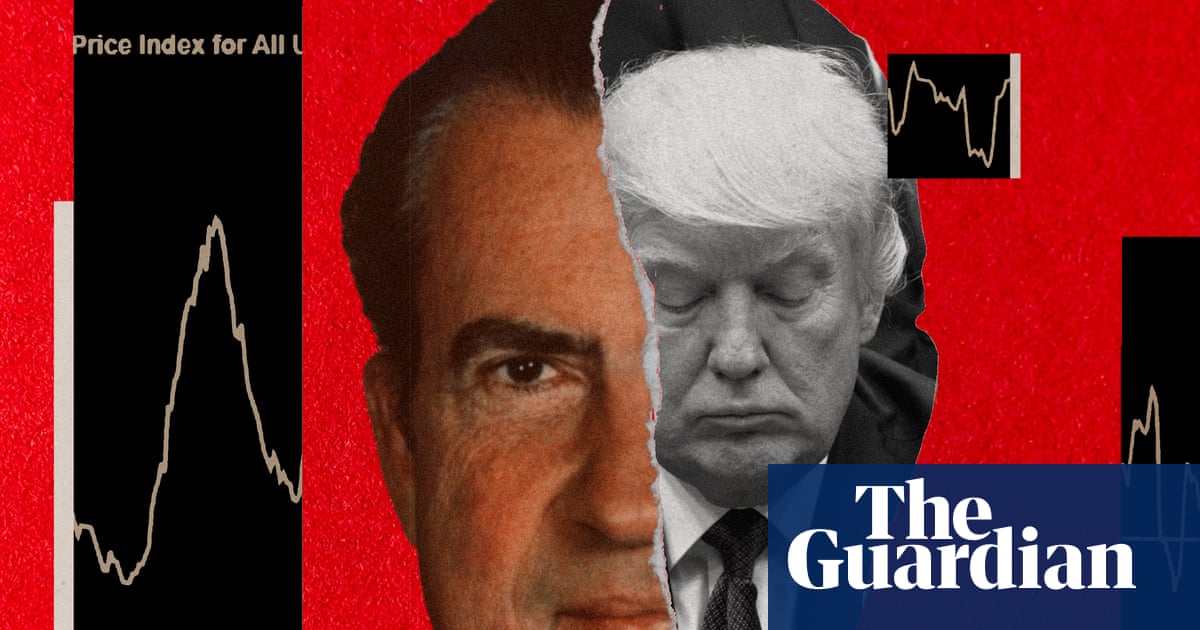
The article discusses former President Trump's potential strategy to exert political pressure on the Federal Reserve for interest rate cuts, drawing parallels to Nixon's actions in 1972, to generate short-term economic stimulus for political advantage. This approach, which could involve replacing Fed officials or directing asset purchases, carries significant risks of long-term economic instability, including inflation and market backlash, despite potential short-term political benefits. Such interference could significantly undermine Fed independence and financial market confidence, echoing the inflationary period of the 1970s that required drastic measures to correct.
A significant risk to U.S. monetary policy stability is emerging from potential political interference with the Federal Reserve, drawing direct parallels to the Nixon administration's actions in the 1970s. That historical precedent of pressuring the Fed to maintain an accommodative stance for political purposes led to inflation surging above 12% by 1974, which ultimately required the traumatic Volcker-led recession and interest rates exceeding 20% to control. The current administration's strategy appears to mirror this, with public calls for a 100-basis-point rate cut and the appointment of dovish board members who advocate for rates to fall to 3% by year-end. This pressure is being exerted despite a reported 3.8% GDP growth in the second quarter, although underlying weaknesses exist, such as declining business investment outside of IT equipment and software. The primary risk for markets is a loss of confidence in the Fed's independence, which could trigger a sharp sell-off in U.S. assets and a spike in long-term interest rates, similar to the market's reaction to tariff announcements. The pursuit of a short-term, pre-election economic stimulus risks long-term stagflation and significant damage to the credibility of U.S. economic institutions.
AI-powered research, real-time alerts, and portfolio analytics for institutional investors.
Overall Sentiment
strongly negative
Sentiment Score
-0.75
Ticker Sentiment
