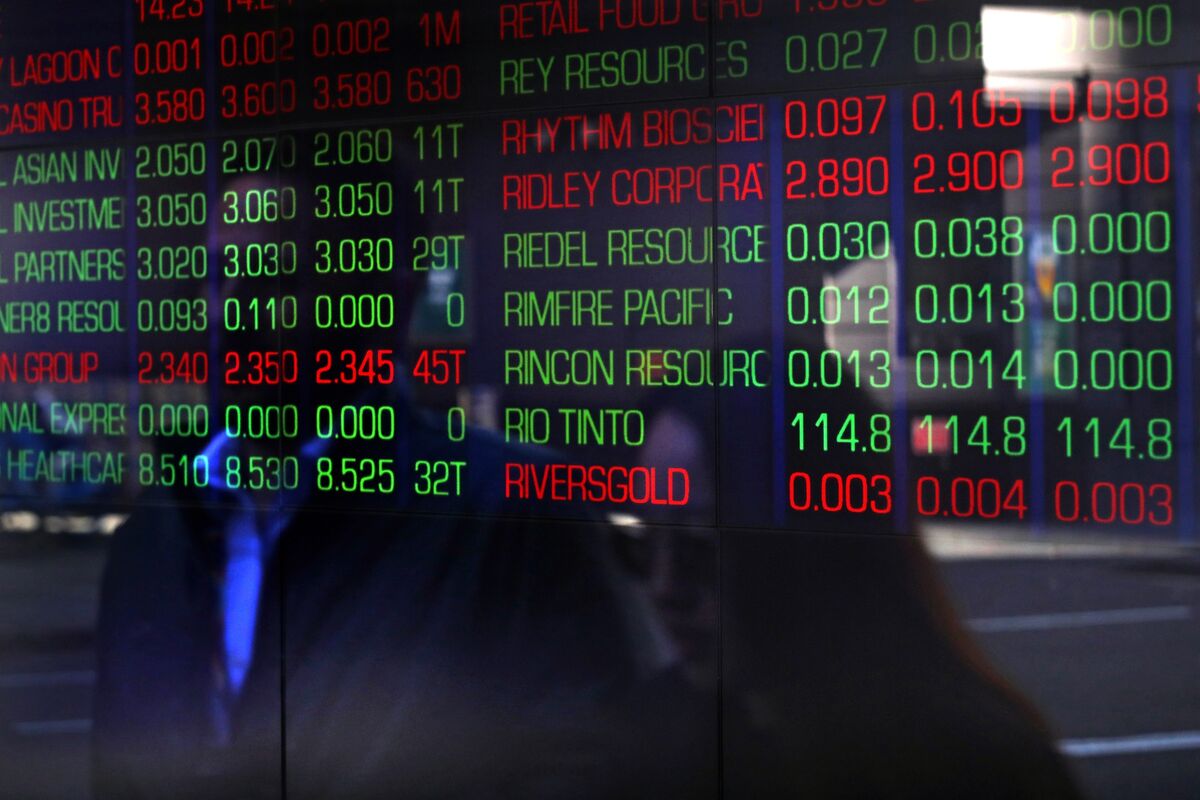
ASX experienced an hours-long blackout that began at 8:59 a.m. Sydney time and has implemented initial remediation, resuming publication of company announcements received since 11:22 a.m. Earlier statements remain impacted and securities halted due to the outage will only resume trading once their associated announcements are published. The disruption may temporarily impair price discovery and liquidity on the Australian exchange and requires managers to monitor announcement backlogs and reinstatement of affected securities for execution and risk management.
Market structure: The immediate winner is vendor/outsourced-technology providers (cybersecurity and post-trade vendors) who can command higher fees; the loser is the exchange operator ASX Ltd (ASX:ASX) and high-frequency/retail brokers that lose intraday flow and fee revenue. Expect a 10–30% intraday spike in implied volatility on ASX-listed index options (XJO) and wider basis between cash and futures as halted securities resume unevenly, pressuring market-makers' inventories. FX/bond flows will tilt mildly to safe havens—AUD could weaken 0.5–1% on sustained outages while 2–5y sovereign yields drop if liquidity stress escalates.
Risk assessment: Tail risks include a prolonged multi-hour outage cascading into derivatives settlement failures and large margin calls, which could cause a 5–15% ASX 200 gap down in days; regulatory action (ASIC) and class actions could impose fines/costs in the AUD100m+ range over 30–90 days. Near-term (days) risk is execution and information asymmetry; short-term (weeks–months) is reputational damage and regulatory capex; long-term (quarters) is higher operating costs/possible fee regulation. Hidden dependencies: CHESS replacement and third-party SLAs; a vendor failure or misconfiguration (not internal code) would shift liabilities to providers and accelerate outsourcing demand.
Trade implications: Tactical hedges: buy downside protection on XJO (1-month 2% OTM puts sized to 1–1.5% portfolio) and consider 3-month 10-delta puts if worried about a sustained move; initiate a small bearish play on ASX:ASX (1–2% NAV) via a 3-month put spread to cap cost if a 5–15% repricing occurs. Rotate away from small-cap Australian exposure (-2–4% allocation for 2–6 weeks) into large-cap exporters/defensives (e.g., BHP:ASX BHP, CSL:ASX CSL) and establish a 1–2% tactical long in cybersecurity leaders (e.g., PANW, CRWD) on a 6–12 month thesis of increased exchange spending.
Contrarian view: The market may overprice long-term damage—historically exchange outages produce sharp short-term equity moves but recovery within 3–6 months after remediation and capex; if ASX reports concrete remediation within 7–14 days and no systemic settlement failures, ASX:ASX could be a 3–6 month buy on >10% sell-off. Unintended consequences include accelerated regulatory oversight that could paradoxically increase predictable fee revenue (higher compliance fees) and outsourcing demand—look for mispricings where short-term volatility is priced but long-term revenue uplift is ignored.
AI-powered research, real-time alerts, and portfolio analytics for institutional investors.
Request DemoOverall Sentiment
mildly negative
Sentiment Score
-0.25
