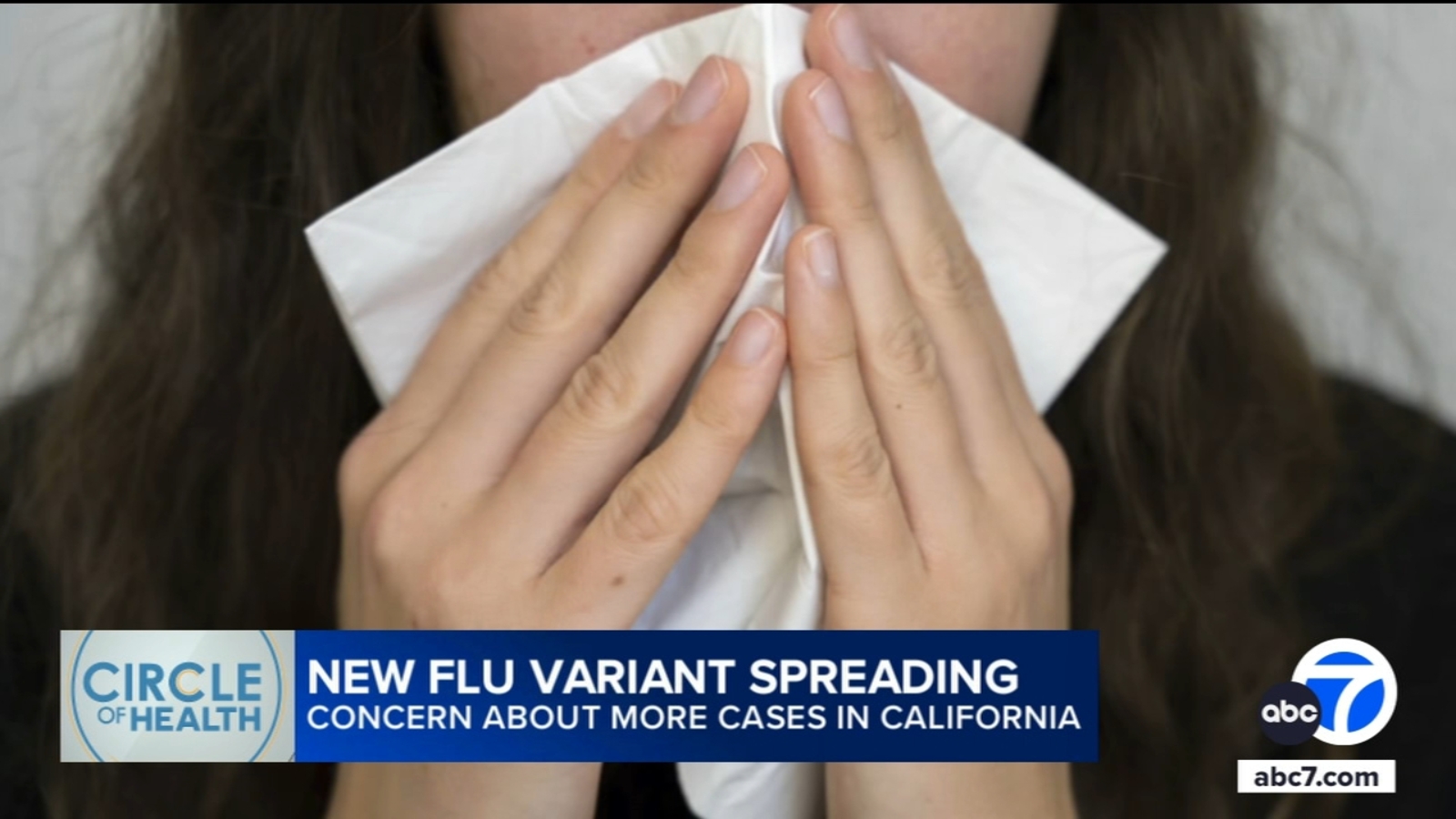
L.A. County public health officials are monitoring an emerging H3N2 subclade K that is antigenically distinct from this season's flu vaccine and is circulating widely in Southern California, prompting concern about increased symptomatic illness and possible hospitalizations. Public-health guidance emphasizes vaccination, early antiviral treatment (oseltamivir/Tamiflu and baloxavir/Xofluza), masking and staying home when sick; flu activity is currently low but typically peaks in January–February, implying potential near-term impacts on healthcare utilization, travel demand and retail foot traffic.
Market structure: A mild-to-moderate H3N2 spike is a near-term positive for pharmacies, vaccine makers and OTC suppliers (CVS, WBA, WMT; SNY, GSK) via vaccinations, antivirals and cold/flu SKU lift, while travel & leisure (JETS, AAL, MAR) face volume downside. Pricing power is limited for retailers (margins driven by volume not price), but antiviral manufacturers can see short-run demand shocks if supplies tighten; expect 1–6 week revenue blips concentrated Jan–Feb. Cross-asset: modest flight-to-quality (bonds + small USD bid) and transient equity volatility; oil/travel-sensitive cyclicals may underperform by ~2–6% into January if bookings soften.
Risk assessment: Tail risks include a severe H3N2 wave triggering temporary travel restrictions or antiviral rationing — a low-probability/high-impact event that could compress airline equity by >15% and spike healthcare regulatory scrutiny. Time horizons: immediate (days) = local closures and school absenteeism; short-term (weeks/months) = peak Jan–Feb sales and antiviral uptake; long-term = normalization by spring unless antigenic shift demands vaccine reformulation. Hidden deps: pharmacy staffing shortages, insurer reimbursement cadence, and retail foot-traffic displacement by e-commerce can mute upside; catalysts are CDC hospitalization reports, antiviral supply statements and school-closure trends.
Trade implications: Tactical long exposure to pharmacies/consumer healthcare for 6–12 weeks (capture vaccination & OTC spike) and selective long vaccine/antiviral exposure; short travel/leisure for the same window. Use pair trades (long CVS/wide-cap pharmacy vs short JETS/airline names) to hedge macro; prefer option-defined risk (call spreads on vaccine makers, short-dated puts on airline ETFs) to limit downside. Entry: establish positions now–Jan 15 to capture pre-peak activity; exit/trade trim by Mar 1 unless hospitalization metrics accelerate.
Contrarian angles: Consensus underprices recurring revenue to pharmacies from vaccination fees and OTC refill cycles — a 2–6% revenue upside in Q1 is plausible but often overlooked. The airline hit may be overdone if closures remain local; historical H3N2 peaks (2017–18) produced short-lived travel dips that recovered within 6–8 weeks. Watch for unintended outcomes: oversupply of antivirals creating inventory markdown risk for manufacturers or sudden regulatory price controls that flip winners to losers.
AI-powered research, real-time alerts, and portfolio analytics for institutional investors.
Request DemoOverall Sentiment
mildly negative
Sentiment Score
-0.25
