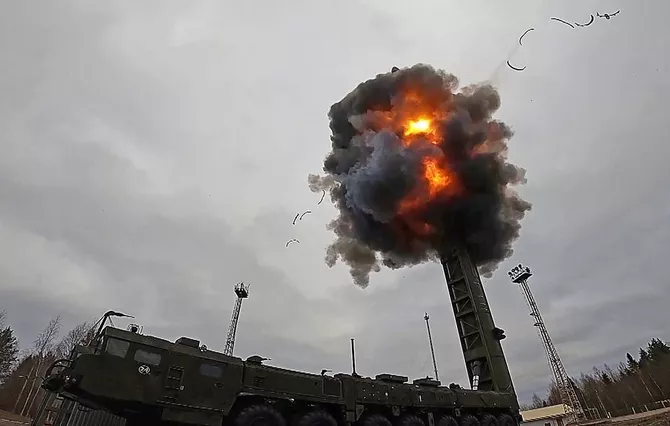
Russia has finalized parameters for a state arms program covering 2027–2036 that prioritizes modernization of the nuclear triad, development of an all-embracing air defense system, enhanced land forces capabilities and measures to boost arms export potential. The program — a 10-year plan approved by the president every five years and designed to address existing and future security threats — is ready for approval as of December 2025, signaling sustained state-directed defense spending and potential implications for defense-sector suppliers and geopolitical risk profiles.
Market structure: Russia’s 2027–36 arms program structurally favors defense OEMs (missiles, air‑defense, shipbuilding) and upstream commodity suppliers (steel, titanium, specialty alloys). Western primes (LMT, NOC, RTX, GD) should see indirect demand tailwinds as NATO/partners rearm and de‑risk supply chains, pushing 2–6% sector pricing power over 2–4 years; Russian fiscal strain raises Russian sovereign yields and ruble volatility near term.
Risk assessment: Tail risks include kinetic escalation that could spike Brent >30% within days and trigger broad sanctions; an alternative tail is Russia successfully domesticating supply chains, reducing global procurement opportunities for Western suppliers over 3–5 years. Immediate (days) impacts = higher oil/gold volatility ±5–15%; short term (months) = re‑rating of defense vs civilian industrial names; long term (years) = structural 3–8% CAGR in defense order books but with lumpy contract timing.
Trade implications: Position for a 12–36 month horizon: overweight large-cap defense (LMT, NOC, RTX) via 6–9 month to 18–24 month LEAPS/call spreads and commodity hedges (oil call spreads). Pair trades: long LMT vs short BA or XLI to isolate defense upside; short Russia‑exposure ETFs (RSX) tactically on budget/bond auctions. Enter in tranches over 30–90 days; trim after 20–25% move, stop‑loss 12–15%.
Contrarian angles: Consensus underprices second‑order winners—cybersecurity and space/sensor small caps that benefit from air‑defense and triad modernization (e.g., CRWD, L3H). Conversely, markets may overpay for defense primes near term because order realization will be back‑loaded to 2027–2036; mispricing window exists now to buy optionality (LEAPS) rather than full equity exposure.
AI-powered research, real-time alerts, and portfolio analytics for institutional investors.
Request DemoOverall Sentiment
mildly negative
Sentiment Score
-0.25
