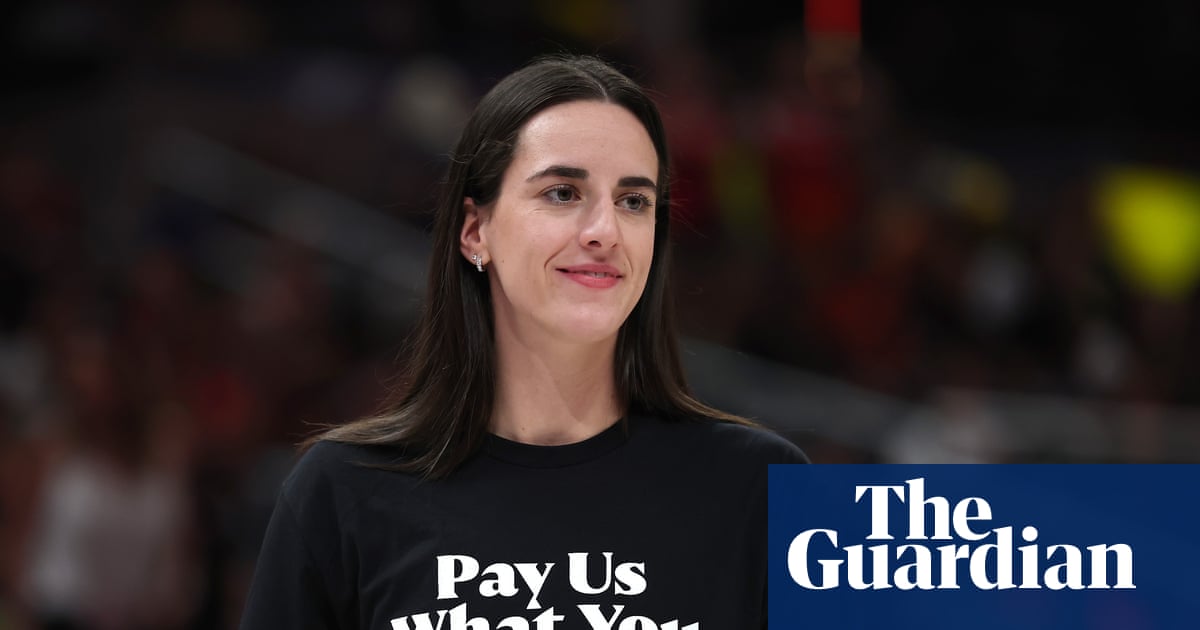
Agreement in principle on a new WNBA collective bargaining agreement: average salary to rise to $600,000 (from $125,000), minimum to $300,000 (from $66,079), supermax starting at $1.4m, and team salary caps to $7m (from $1.5m) — roughly 4–5x increases across key pay metrics. Term sheet expected in days and still requires player ratification and Board approval; league faces a compressed calendar to complete an expansion draft (Toronto, Portland), negotiate with >80% free agents, hold training camps from Apr 19 and open the season on May 8.
The deal structurally re-prices the WNBA as an investable content and IP asset rather than a subsidy-dependent league. That changes counterparty economics: broadcasters and sponsors must now underwrite a materially higher share of revenues or absorb a squeeze on margins, which will accelerate prioritization of female-led inventory across linear and streaming inventories. Expect mid-size advertisers and direct-to-consumer apparel partners to reallocate marketing spend toward WNBA inventory over the next 12–36 months, creating a faster monetization path than incremental gate receipts alone. Second-order beneficiaries include sports-betting operators (engagement lifts during an extended season and deeper player narratives), athletes’ representation/branding agencies (new commercial inventory and premiumization of player IP), and team-level real estate/venue service providers via higher-value gameday experiences. Conversely, small-market owners and any franchise with weak local sponsorship will face immediate cash-flow pressure, forcing asset sales or consolidation and opening M&A windows for strategically capitalized buyers within 6–24 months. Key risks and catalysts are procedural (ratification by players and Board, legal term-sheet finalization over days–weeks) and economic (advertising cyclicality and rights-bid pushback over quarters). A downturn in ad spend or a broadcaster refusal to pay up for rights could rapidly reverse the revenue-sharing thesis; likewise, an aggressive free-agent market this offseason could force near-term margin compression at team level before new top-line streams materialize. Monitor quarterly ad CPMs, early-season viewership, and sponsor renewal rates as 30–180 day leading indicators of successful monetization.
AI-powered research, real-time alerts, and portfolio analytics for institutional investors.
Request DemoOverall Sentiment
strongly positive
Sentiment Score
0.80
