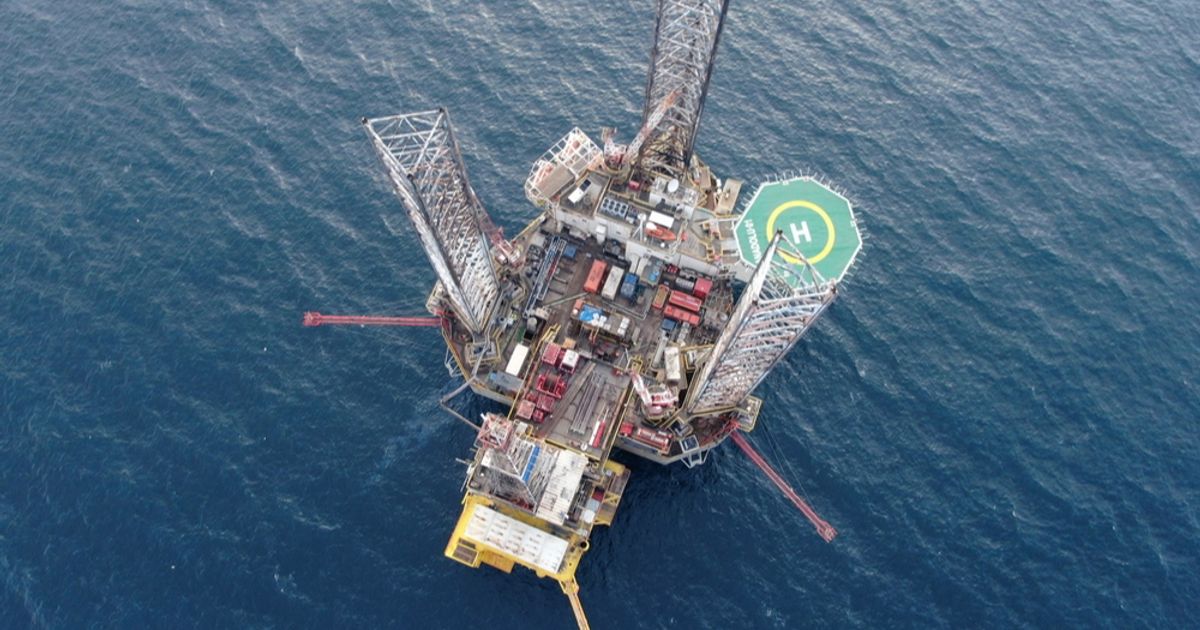
Cavendish reiterated a 'buy' on Jersey Oil & Gas with a 537p target versus the current 103.5p, arguing that optimising the Buchan development to align spending with the Energy Profits Levy timetable and exploiting an 84.25% tax offset for qualifying investments through March 2030 could materially boost project value. The broker highlighted JOG's ~£11m cash at end‑2025 and £1.5m annual cash costs post‑restructuring, and now assumes FDP approval plus a US$20m farm‑out payment in late 2027, underpinning a substantial upside case for the stock.
Market structure: Cavendish’s note re-prices Buchan’s economics by front-loading qualifying capex into the 84.25% tax-offset window to March 2030 and deferring revenues into the post‑Mar‑2030 low-tax period, increasing NPV sensitivity to timing. Direct winners are small-cap developers that can schedule capex to maximise the offset (AIM:JOG), and farm‑in partners seeking enhanced after‑tax IRRs; losers are incumbents with near-term taxable production that cannot shift spend. Expect modest upward pressure on valuations across optimisable North Sea developers but limited effect on global oil prices—this is fiscal arbitrage, not supply shock.
Risk assessment: Tail risks include regulatory reversal of the 84.25% offset, a failed FDP or farm‑out collapse (>$20m shortfall), or severe cost overrun that erodes the £11m cash runway (annual cash burn £1.5m implies ~7+ years pre‑farm‑out). Near term (days–months) moves will track broker commentary and permitting updates; medium (6–18 months) hinges on FDP approval and farm‑out execution (late 2027); long term (>2028) depends on monetisation timing relative to the Mar‑2030 tax cliff. Hidden dependencies: counterparty credit of farm‑outer, capex scheduling to qualify for offset, and commodity price correlation to partner willingness.
Trade implications: Primary actionable is a selective long in AIM:JOG (AIM:JOG / OTC:JYOGF) ahead of FDP/farm‑out with defined sizing and hedges; use long-dated call spreads to capture optionality while capping premium. Hedge commodity and timeline risk via short Brent futures or put purchases; avoid unhedged event-driven exposure given binary farm‑out/approval catalysts. Monitor cash runway metrics and covenant triggers in partner agreements as stop-loss signals.
Contrarian angles: Consensus assumes smooth FDP and $20m farm‑out in late 2027—this is optimistic; execution risk and partner negotiation could push cash receipts into 2028+, materially lowering NPV. The market may be underpricing governance and timing risk: if JOG cannot demonstrate qualifying capex before Mar‑2030, much of the upside evaporates. Historical parallels (small North Sea developers) show binary rerating on farm‑out funding, but also frequent multi‑year delays; position sizing should reflect >30% probability of multi‑quarter slippage.
AI-powered research, real-time alerts, and portfolio analytics for institutional investors.
Request DemoOverall Sentiment
moderately positive
Sentiment Score
0.60
