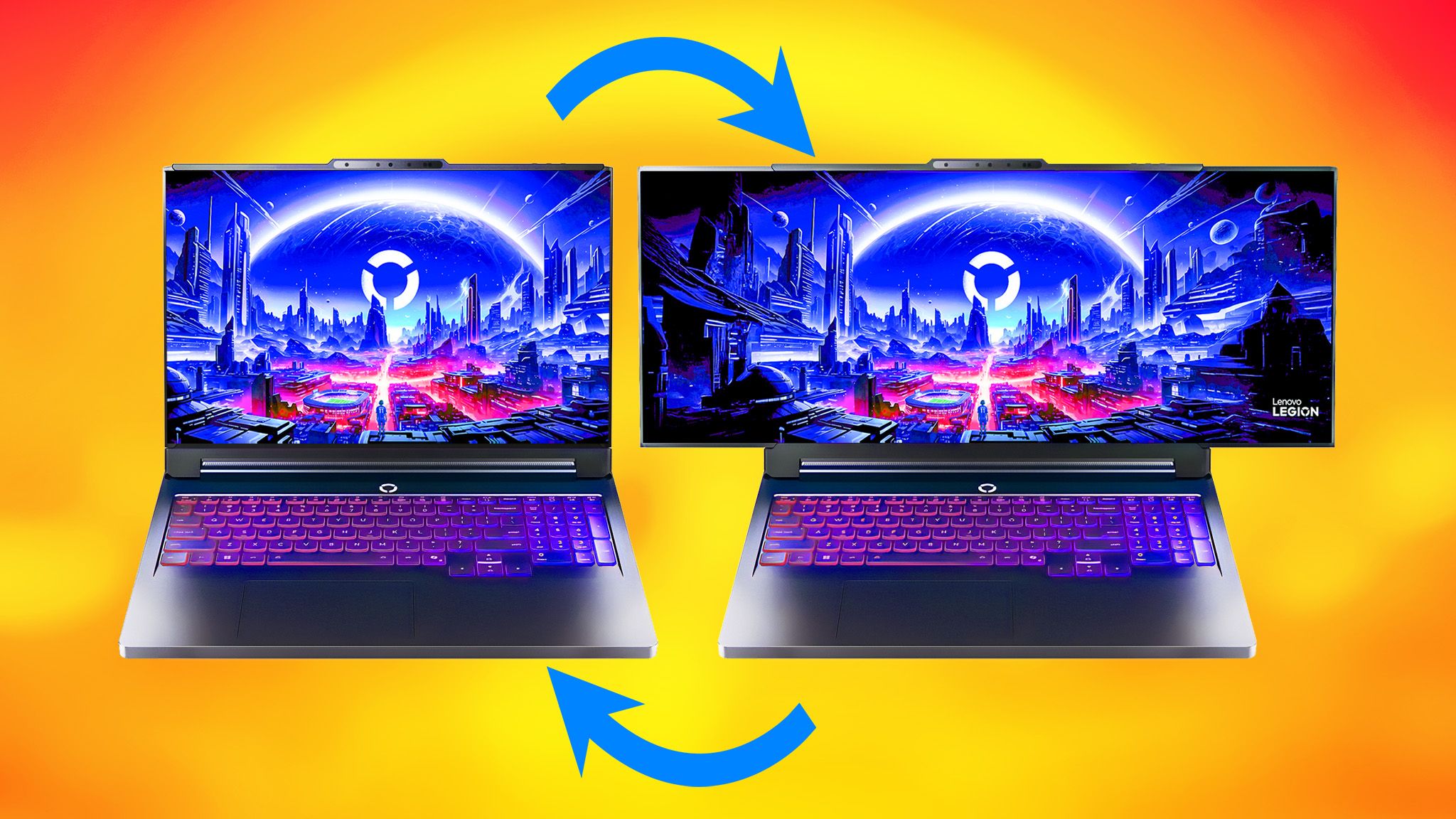
Lenovo's concept Legion Pro Rollable, showcased as part of its CES 2026 slate, failed to demonstrate its signature expansion (intended to extend a 16" display to 24") during a live Tonight Show demo, forcing presenters to abandon the mechanical rollout after troubleshooting. The device remains a concept rather than a commercial product, and while the high‑visibility mishap creates short‑term reputational risk and potential consumer skepticism around rollable displays, there is no immediate financial data or indication of material impact on Lenovo's revenues or operations to suggest a significant market move.
Market structure: The failed Lenovo demo is a short‑term reputational hit concentrated on OEMs that sell concept hardware; expect immediate share‑price volatility for Lenovo (0992.HK / LNVGY) and small-cap gadget makers but limited disruption to incumbents with proven QA (AAPL, MSFT). Rollable displays remain a niche — estimate <5% laptop penetration next 12–24 months — so pricing power stays with component suppliers (display fabs) rather than OEMs until yields and use‑cases scale.
Risk assessment: Tail risks include a wider confidence shock that delays rollable adoption (regulatory scrutiny, warranty costs) or supply‑chain yield failures at display fabs that could force write‑downs; these are low probability but high impact over 3–12 months. Immediate risks (days–weeks) are sentiment/IV spikes and potential pre‑order cancellations; medium term (3–9 months) depends on third‑party reviews and supplier earnings showing yield improvements >70%.
Trade implications: Tactical trades should be small and event‑driven: short Lenovo headline risk and buy optionality on disciplined display suppliers that will win in a scaled rollout. Use defined‑risk option structures (3–12 month spreads) sized 1–3% of portfolio; rotate away from high‑beta CES hype names into defensive hardware (AAPL) and select suppliers (SSNLF). Monitor earnings and yield metrics as triggers to trim or add positions.
Contrarian angles: The market will likely overreact to a TV demo — history (Galaxy Fold, Face ID) shows reputational stumbles can precede multi‑year recoveries once yields/improvements arrive. If display‑fab yields improve to >70% within 6–12 months and headline incidents don’t repeat, suppliers should outperform; conversely, repeated failures would make the form factor a multi‑year dud, so size positions accordingly and set clear stop thresholds.
AI-powered research, real-time alerts, and portfolio analytics for institutional investors.
Request DemoOverall Sentiment
mildly negative
Sentiment Score
-0.25
Ticker Sentiment
