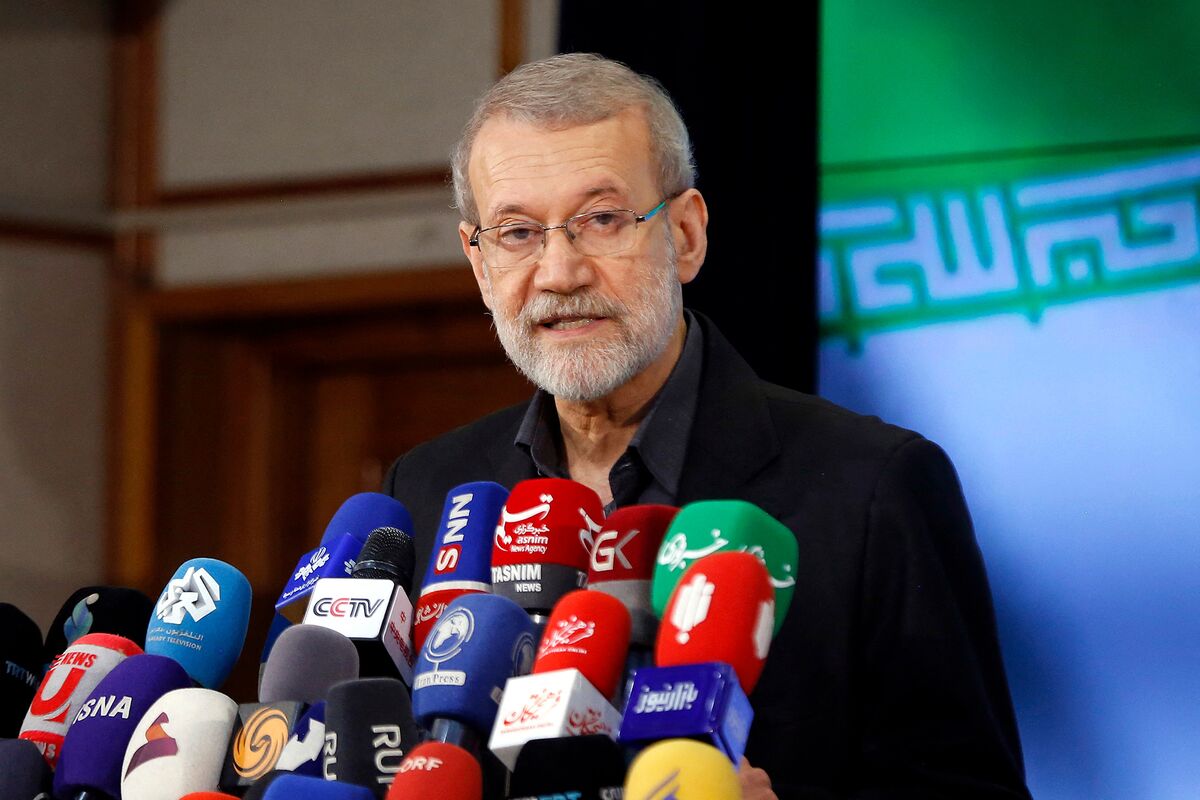
Iran's President Masoud Pezeshkian has appointed Ali Larijani, a veteran politician and former nuclear negotiator, as the new head of the Supreme National Security Council (SNSC), replacing Ali Akbar Ahmadian. This appointment of a pragmatic conservative to a critical security and foreign policy body could signal continuity or subtle shifts in Iran's strategic posture, impacting regional stability and geopolitical risk assessments.
The appointment of Ali Larijani, a pragmatic conservative and former nuclear negotiator, to lead Iran's Supreme National Security Council (SNSC) is a notable development within the country's political leadership. As the new secretary of this critical security and foreign policy body, Larijani's extensive political history and direct experience in past nuclear talks are significant. While the appointment of a veteran insider may suggest policy continuity, his characterization as a "pragmatic" figure could imply a potential for a more calculated or nuanced diplomatic posture. The neutral sentiment and very low market impact score (0.1) indicate that global markets do not currently view this personnel change as a catalyst for an immediate, significant shift in Iran's strategic direction or a major repricing of geopolitical risk. The event is primarily a domestic political change that introduces a well-known actor into a key decision-making role, warranting observation for future policy signals.
AI-powered research, real-time alerts, and portfolio analytics for institutional investors.
Request DemoOverall Sentiment
neutral
Sentiment Score
0.00
