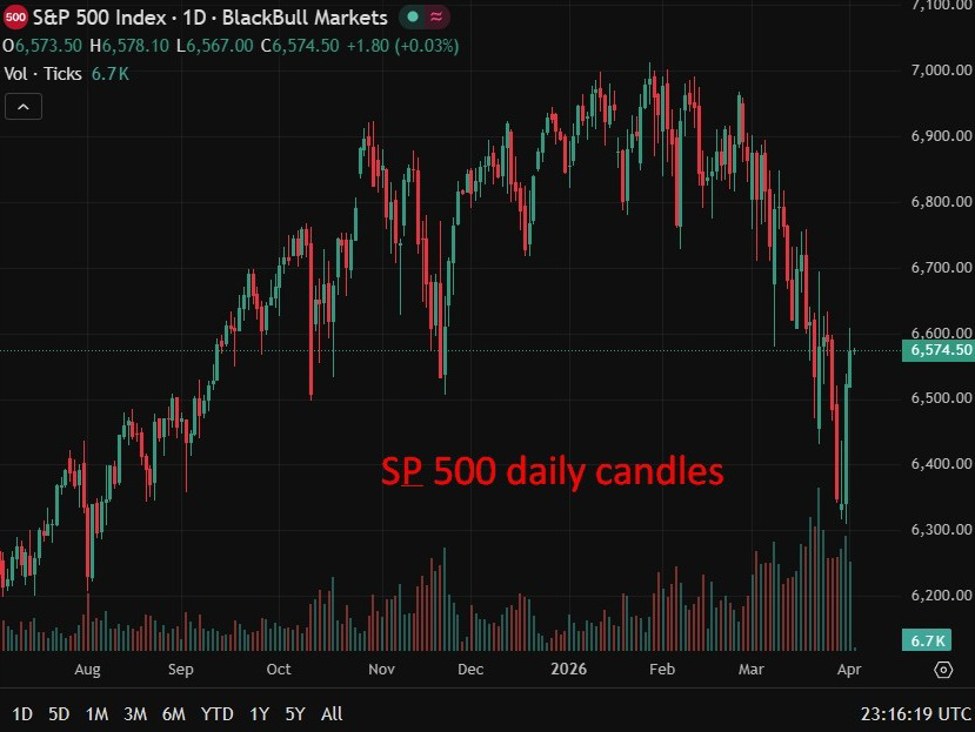
Hedge funds recorded their worst monthly performance since January 2022 in March, with fundamental long/short equity strategies down just over 5% on average and Asia-focused funds leading losses ahead of Europe and the US. Volatility tied to the Iran conflict and sharp cross-asset moves in rates, FX and commodities forced rapid de-risking, the fastest global equity unwind in over a decade and deleveraging from near-record leverage; systematic quant strategies outperformed while discretionary, growth/high‑beta and TMT exposures were hit hardest.
Volatility-driven deleveraging is behaving like an endogenous liquidity shock: margining and cross-asset repricing amplify small directional moves into large, temporary dispersion in returns across strategies. That creates a two-tier market where execution-sensitive, high-turnover pods and levered multi-manager platforms suffer deepest instantaneous P&L, while market-makers and trend-aligned models capture realized volatility and wider spreads.
The immediate microstructure effect to watch is bid/ask and financing spread blowouts in specific names — expect financing spreads to move 25–100bps and quoted depth to thin by 30–60% in stressed small/mid-cap and EM stocks during 1–3 week liquidity squeezes. Over 1–3 months, forced flows will reprice correlation risk premia: crowded long-growth exposure can underperform even if macro fundamentals recover, because deleveraging exploits common factors rather than fundamentals.
Structurally, this episode increases the value of supply-of-liquidity strategies (options sellers with robust hedges, systematic trend, and macro relative-value) and depresses the utility of concentrated discretionary bets until position-level crowding metrics normalize. The contrarian opportunity is compressed idiosyncratic value in high-quality, low-leverage names that get sold mechanically — buyable windows often appear within 2–6 weeks of peak forced flows and can deliver 2–4x realized returns if normal trading depth returns.
AI-powered research, real-time alerts, and portfolio analytics for institutional investors.
Overall Sentiment
moderately negative
Sentiment Score
-0.55
Ticker Sentiment
