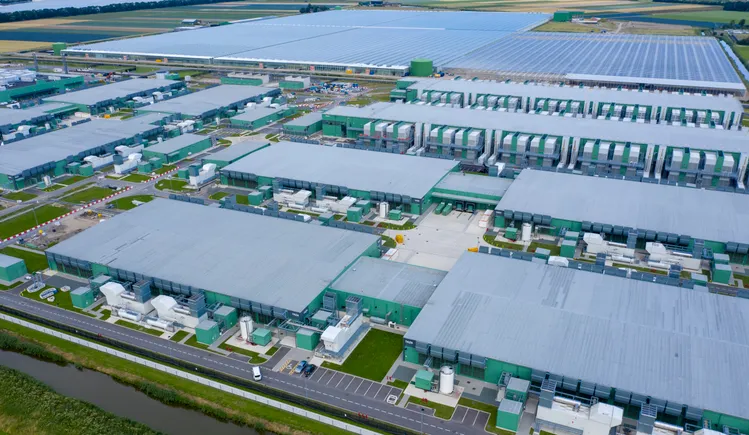
The rapid expansion of AI-driven data centers is creating significant tension on the U.S. power grid, with projections indicating data centers could account for up to 12% of national electricity use by 2028, up from 4.4% today. This surge in demand risks overburdening existing infrastructure, increasing costs for ordinary consumers, and potentially impacting U.S. competitiveness. Addressing this requires strategic diversification of energy supply, proportional cost-sharing by data center operators for new infrastructure, and accelerated adoption of energy efficiency innovations to mitigate these risks and ensure sustainable growth.
The rapid expansion of AI-driven data centers is creating a significant and under-recognized strain on the U.S. power grid, posing a material risk to utility infrastructure and consumer costs. Projections cited in the article indicate data center electricity consumption could surge from 4.4% of the U.S. total to as much as 12% by 2028. This demand is already creating tangible pressure, with filings in Georgia showing data centers account for approximately 80% of projected load growth, and Virginia providing nearly $1 billion annually in tax exemptions while its grid faces mounting stress. The core issue identified is a potential misalignment of costs, where trillion-dollar technology corporations receive subsidized power while households bear the financial burden of necessary grid expansion. While the overall sentiment is cautious due to these systemic risks, the article notes that major operators like Microsoft and Google are exploring efficiency solutions, such as waste heat reuse. The analysis suggests a future regulatory landscape focused on three key areas: diversifying energy supply, enforcing proportional cost-sharing for infrastructure, and mandating efficiency gains, with innovations in semiconductor materials and cooling potentially reducing energy use by 30-40%.
AI-powered research, real-time alerts, and portfolio analytics for institutional investors.
Overall Sentiment
moderately negative
Sentiment Score
-0.50
Ticker Sentiment
