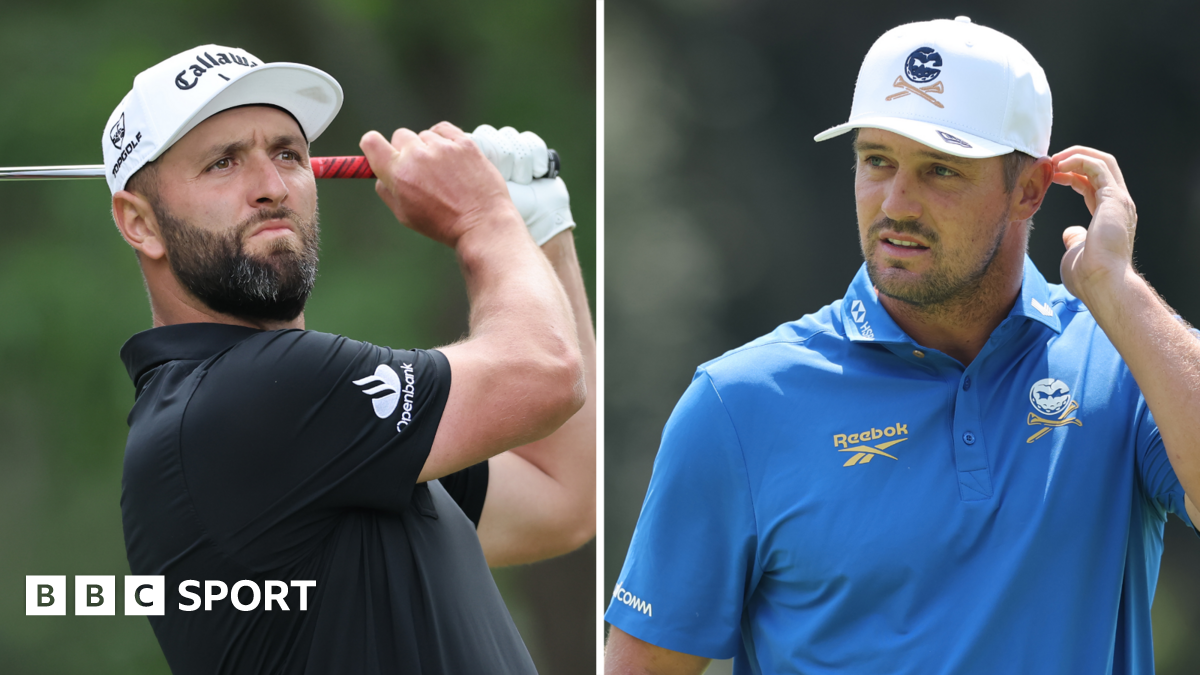
LIV Golf’s funding model is under pressure after Saudi Arabia reportedly pulled financing beyond the 2026 season, raising uncertainty around the league’s future and the contracts of its biggest stars. Jon Rahm has about two years left on his reported $300m LIV deal but remains blocked from the PGA Tour and in dispute with the DP World Tour, while Bryson DeChambeau’s contract expires this season and could require a costly renewal. The piece highlights weak TV economics and the need for new investment to keep the league viable.
The key market implication is not the fate of a niche sports league, but the collapse of a subsidy regime that had been artificially supporting player earnings, media inventory, and sponsor value. Once the external capital goes away, LIV shifts from a growth story to a cash-flow triage exercise: the first-order effect is weaker bargaining power with star talent, but the second-order effect is even more important—without premium names, the product loses the one attribute that justified paying for it in the first place. That creates a negative feedback loop in which weaker roster quality reduces media interest, which reduces sponsor leverage, which further limits replacement capital. This is structurally bullish for the incumbent tour ecosystem, but not uniformly so. The likely winner is the platform with the deepest distribution, strongest event calendar, and most credible path to monetizing scarcity of elite talent; that favors the larger, more mature property over a franchise-style challenger that depends on maintaining a handful of celebrity assets. A subtle second-order winner is the ecosystem around majors, broadcast partners, and premium hospitality, because the return of real competitive scarcity increases the value of events where the best players are concentrated. The main risk is that the market underestimates how long the transition can be dragged out. Star athletes can extend the status quo for months by negotiating appearance economics, exploiting contract ambiguity, or simply sitting tight until the next rights cycle. But the longer the uncertainty persists, the more likely we see roster fragmentation: players with weaker global profiles will chase guaranteed income on secondary circuits or re-qualify through conventional tours, while the highest-end names will use optionality to maximize leverage across tours and sponsor contracts. The contrarian view is that the headline "endgame" may be overstated. Even if external funding is reduced, a smaller, more disciplined LIV can still function as a premium exhibition/franchise product with lower overhead and a narrower, more monetizable audience. In that scenario, the real trade is not extinction versus survival, but a reset in pricing power—stars lose leverage relative to the broadcasters, promoters, and incumbent tours that can now negotiate from a position of strength.
AI-powered research, real-time alerts, and portfolio analytics for institutional investors.
Request DemoOverall Sentiment
mildly negative
Sentiment Score
-0.10
