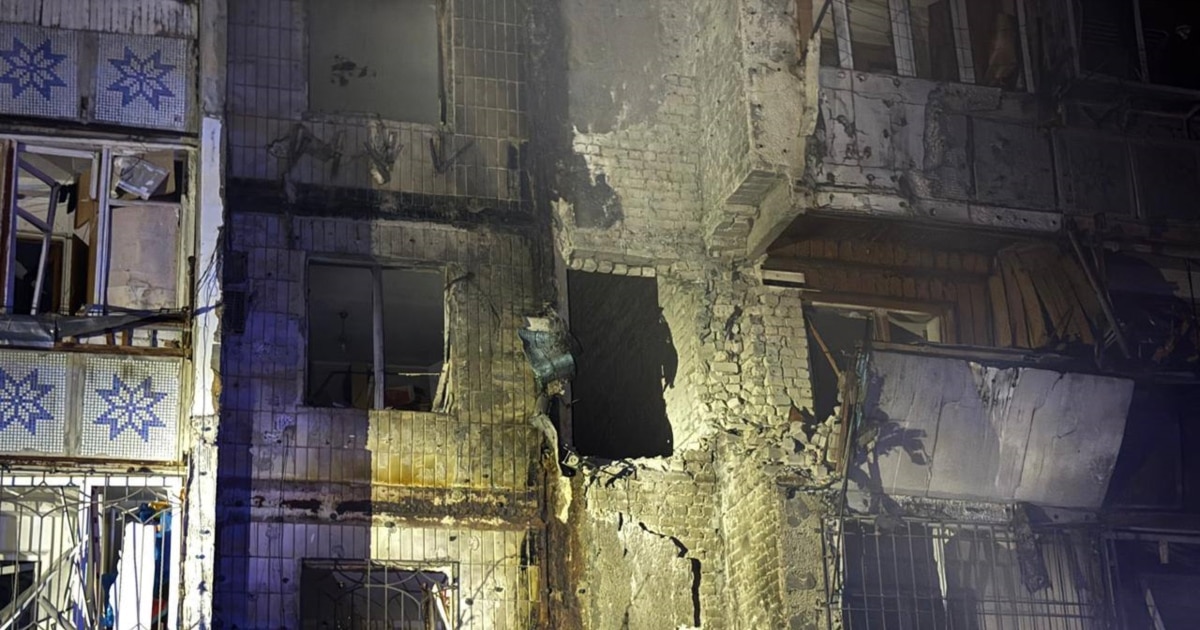
Ukrainian leaders announced security talks in Kyiv (national-security advisers on Jan. 3 and leaders on Jan. 6) with participation from a US negotiating team as Europe and the US coordinate a postwar security and prosperity package. NATO’s PURL initiative gained two new contributors — Romania (€50m / $58.6m) and Croatia (€15m / $17.5m) — bringing total PURL commitments to about $4.3bn, including nearly $1.5bn in December. Meanwhile Russia continued targeted strikes on Ukrainian energy and civilian infrastructure (including a major drone attack in Odesa that injured six and damage to multiple energy facilities) and Ukraine struck Russian oil terminals and port facilities, underscoring persistent tail risks to regional energy flows, logistics hubs and defense-related equities.
Market structure: Continued strikes on Ukrainian energy and reciprocal strikes inside Russia shift near-term pricing power to defense contractors, LNG exporters and oil majors while weakening Russian assets and European utilities with exposure to Ukrainian supply routes. Expect procurement flows (PURL + US-led guarantees) to preferentially award US-made air-defence and missile systems, supporting outsized revenue visibility for RTX, LMT and NOC over the next 6–24 months. Energy tightness is regional: localized refined-product and heating-fuel dislocations in Eastern Europe drive winter spikes (Brent +$5–$15 tail risk) while global crude balances remain sensitive to any broader export disruption.
Risk assessment: Tail scenarios include large-scale escalation provoking NATO logistics involvement or a targeted cyberattack on EU grids; both would push oil >$100/bl and credit spreads wider across eastern European sovereigns (CEEMEA +200–400bp). Immediate (days) risk = headline-driven vols; short-term (weeks–months) = procurement announcements and PURL capital flows; long-term (years) = reconstruction demand for steel, cement, and defense systems. Hidden dependencies: insurance/reinsurance capacity, LNG shipping constraints and banking corridors for reconstruction finance could create second-order bottlenecks.
Trade implications: Tactical overweight defense and select energy exporters, hedge via short Russia/EM exposure and allocate to option structures to monetize volatility. Use 3–12 month call-spreads on prime defense names to capture procurement flow while limiting premium outlay; buy oil call exposure if Brent crosses $90 and add GLD as a convex macro hedge. Reduce/short European utility names with large Ukrainian supply or FX exposure and trim EM risk by 1–2% NAV.
Contrarian angles: The market underprices multi-year Ukrainian reconstruction (infrastructure, materials, heavy machinery) — look beyond defense to steel/cement exporters (select EUR-listed midcaps) for 12–36 month re-rating. Conversely, defense large-caps may already price some of the upside; smaller drone/electronic-warfare suppliers (AVAV, KTOS) offer higher asymmetry. Unintended consequence: a rapid negotiated pause would snap back Russian assets and energy prices lower — set hard exit triggers on any peace-signal moves.
AI-powered research, real-time alerts, and portfolio analytics for institutional investors.
Request DemoOverall Sentiment
moderately negative
Sentiment Score
-0.60
