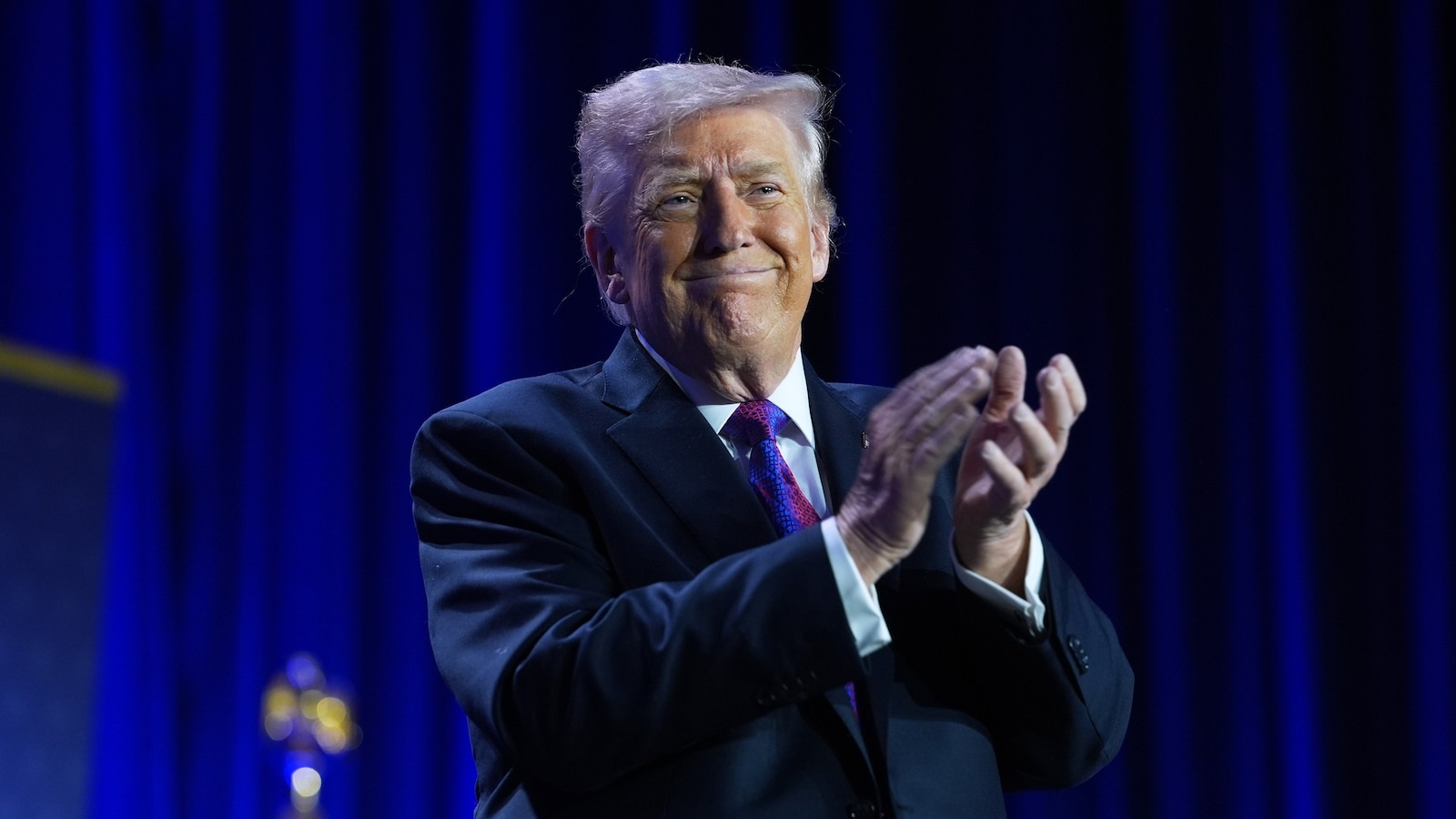
President Trump is unveiling TrumpRx, a government-run website intended to connect consumers to pharmaceutical sellers so users can purchase prescription drugs at the lowest available cash price; the launch was announced at the White House with CMS Administrator Dr. Mehmet Oz. The administration says voluntary price concessions have been secured from Pfizer, Eli Lilly and Novo Nordisk and ties the initiative to its “most favored nation” pricing push and a broader healthcare plan seeking to codify price-transparency measures. For investors, the initiative increases pricing transparency and could exert longer-term margin pressure on drugmakers and distribution intermediaries, but the announcement is primarily political and consumer-focused and is unlikely to be immediately market-moving.
Market structure: A government-branded aggregator lowers search frictions and increases price transparency, likely concentrating bargaining power toward high-volume retailers and cash-price sellers while exerting 5–15% downside pressure on list-driven margins for participating branded drugs (especially non-protected retail SKUs). Immediate winners: large low-cost outlets (WMT, WBA) and online sellers that can capture incremental cash demand; losers: manufacturers’ near-term pricing power on negotiated lines and opaque PBM rebate capture. Competitive dynamics: if uptake is 10–20% of cash prescriptions in 6–12 months, expect share shifts from full-price retail to price-competitive sellers and potential squeeze on mid-market specialty drug margins.
Risk assessment: Tail risks include rapid legislative codification of “most favored nation” pricing or a pharma-led legal campaign that restricts site listings—each could swing revenues ±10–20% for exposed names. Time horizons: PR moves matter in days, pricing and volume shifts over 30–90 days, structural margin effects over 2–8 quarters. Hidden dependencies: PBM rebate flows and manufacturer participation decisions (voluntary vs. opt-out) are the key uncertainties; a drop in rebate income could re-route profits to PBMs or force margin-recapture strategies by pharma.
Trade implications: Tactical trades: small-duration bearish exposure to large cap pharmas (PFE, NVO) and defensive longs in scale retailers/pharmacies; a relative trade—long WMT or WBA vs short PFE—captures volume migration. Use 3–6 month options to express view: buy PFE 6-month puts 10% OTM sized 1–3% portfolio; sell covered calls or buy calls on WMT for 3–6 months to play upside from volume capture. Shift 2–5% portfolio from pure biotech R&D names into healthcare services/retail over next 30–90 days.
Contrarian angles: Consensus overemphasizes headline price pressure; reality may be limited to listed SKUs and selected classes (e.g., weight-loss drugs), leaving blockbuster protected franchises intact. Historical analog: GoodRx increased transparency but did not meaningfully reduce incumbent blockbuster revenues; if participation by sellers is uneven, market reaction will be overdone and create short-term dislocations to exploit (priced moves >8–12% in single names). Unintended consequence: manufacturers could limit online sellers, tightening supply and temporarily boosting prices for non-listed channels.
AI-powered research, real-time alerts, and portfolio analytics for institutional investors.
Request DemoOverall Sentiment
neutral
Sentiment Score
0.05
Ticker Sentiment
