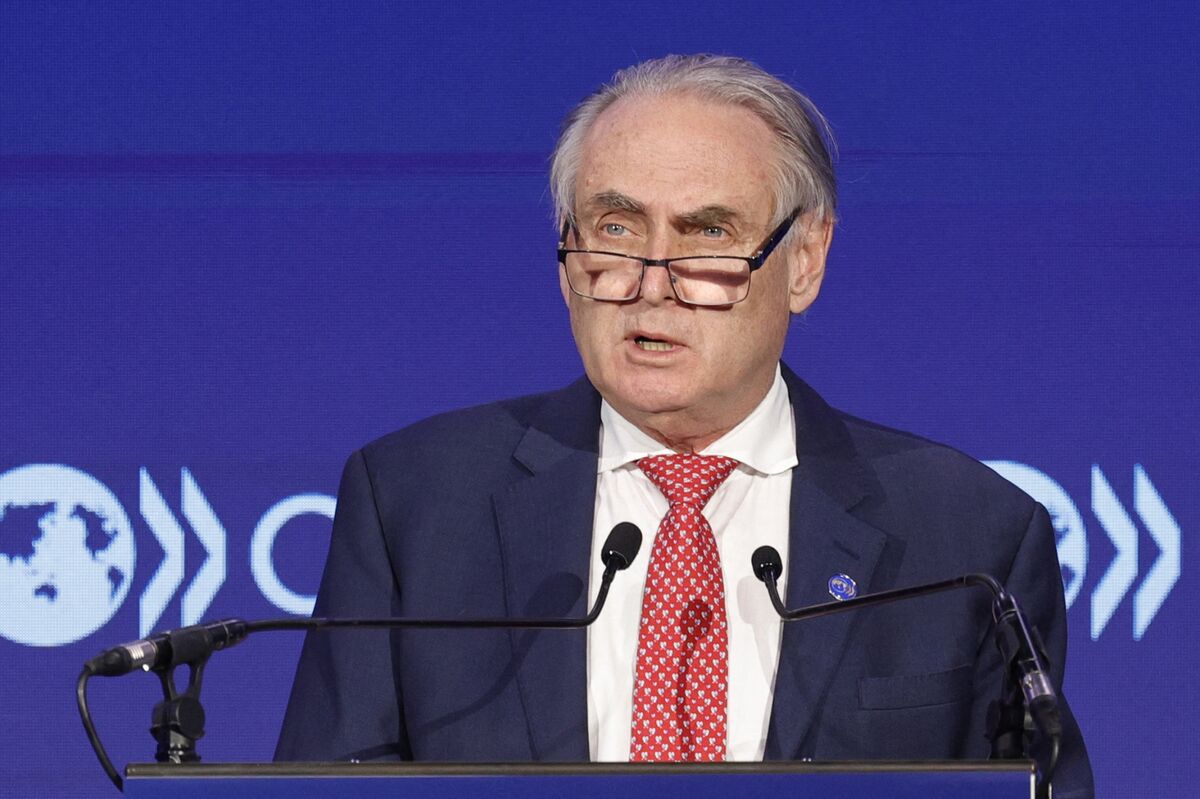
Australia and India will hold further trade talks in the coming weeks, Trade Minister Don Farrell said, as Canberra seeks a new agreement following the 2022 deal. Bilateral trade has increased 17% since the 2022 agreement. The talks signal continued diplomatic momentum to deepen economic ties but are unlikely to deliver immediate market-moving outcomes.
A credible, incremental opening of trade talks favors exporters and logistics providers more than headline macro risk. Mechanically, preferential access or looser rules-of-origin tends to shift marginal seaborne flows first — think higher container/tonne volumes and a ramp in short-haul iron-ore/coking-coal shipments — which benefits terminal operators and freight forwarders within 6–18 months as slot utilisation and short-cycle spot rates rise. Expect winners to be firms that convert volume into pricing power quickly (terminals, short-cycle miners) rather than long-lead capex plays whose payback is multi-year.
The main negotiation tail risks are political economy and sector carve-outs: agriculture, dairy and protected manufacturing frequently become sticking points and can convert an apparent deal into a services/investment pact instead. That implies asymmetric timing: equity moves on signed text (days) but real trade-flow reallocation and capex follow over 6–24 months; reversals are likely if India prioritises import substitution ahead of concessions, or if Australia offers narrow tariff relief that simply re-routes existing suppliers.
From a market-structure angle, the second-order beneficiaries are underfollowed infrastructure names and freight-capex suppliers — these often have low correlation to miners but strong operating leverage to incremental throughput. Currency flows matter: even modest INR-AUD realignment can amplify profit remittances and cross-border M&A appetite, creating optionality in financials and midcaps exposed to export earnings. Traders should therefore prefer liquid ways to express a conditional “trade deal materialises” outcome with explicit stop-losses tied to either text signing or visible flow increases at ports.
AI-powered research, real-time alerts, and portfolio analytics for institutional investors.
Request DemoOverall Sentiment
neutral
Sentiment Score
0.10
