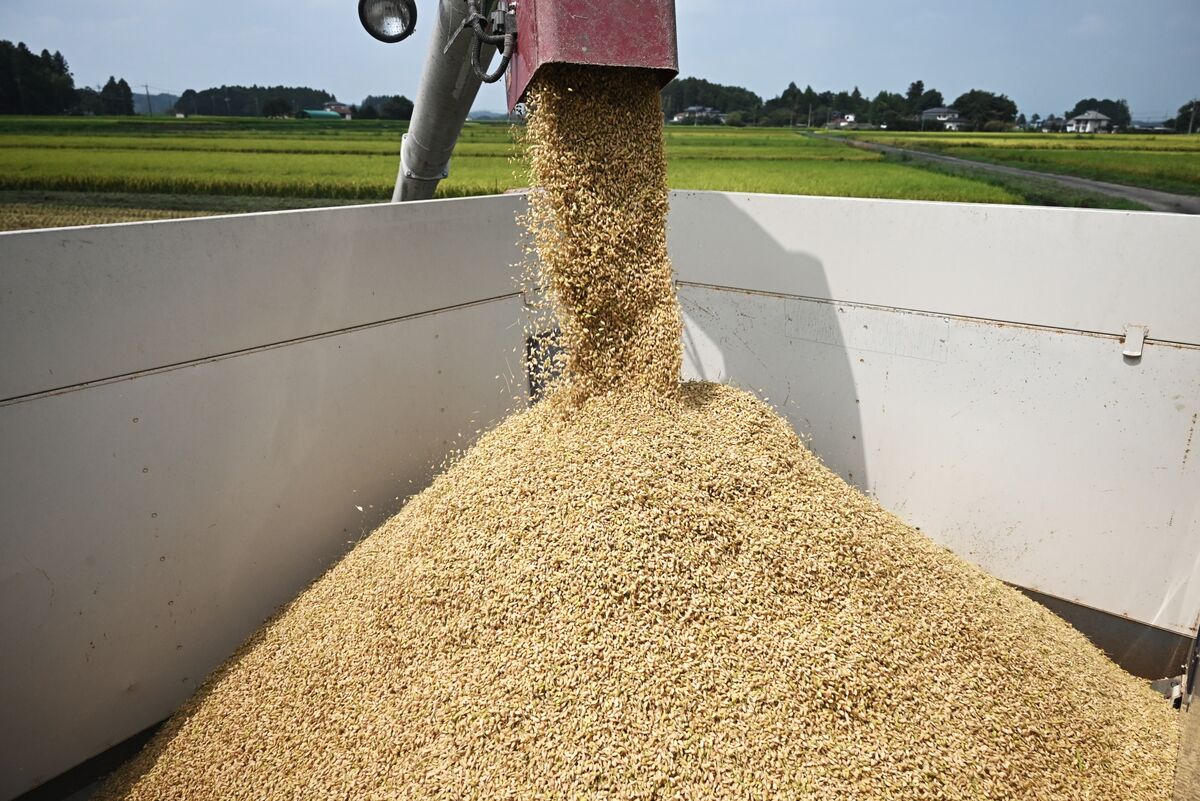
Japan and the US are encountering a significant obstacle in implementing their July trade deal, as rice imports have emerged as a key point of contention. Japan's chief trade negotiator reportedly canceled a recent US trip after Washington proposed expanding Tokyo's US rice imports through an executive order, a move strongly resisted by Japan's ruling Liberal Democratic Party. This ongoing disagreement over a sensitive agricultural commodity underscores persistent bilateral trade friction and could delay the full enactment of the broader agreement.
The implementation of the July US-Japan trade agreement is encountering a significant obstacle, with rice emerging as a critical point of contention. The disagreement has escalated to a point where Japan's chief trade negotiator, Ryosei Akazawa, reportedly canceled a recent trip to the US following Washington's proposal to expand US rice imports via an executive order. This move is being met with strong domestic political resistance in Japan, as evidenced by the vocal defense of the nation's staple food by Hiroshi Moriyama, secretary general of the ruling Liberal Democratic Party. The situation underscores the fragility of the broader trade deal, indicating that reconciling US export objectives with Japan's protected agricultural sector remains a persistent challenge. The moderately negative sentiment and uncertain tone associated with this news reflect the risk that this specific commodity dispute could delay or complicate the enactment of the wider agreement, even if the immediate market impact is currently assessed as low-to-moderate.
AI-powered research, real-time alerts, and portfolio analytics for institutional investors.
Request DemoOverall Sentiment
moderately negative
Sentiment Score
-0.45
