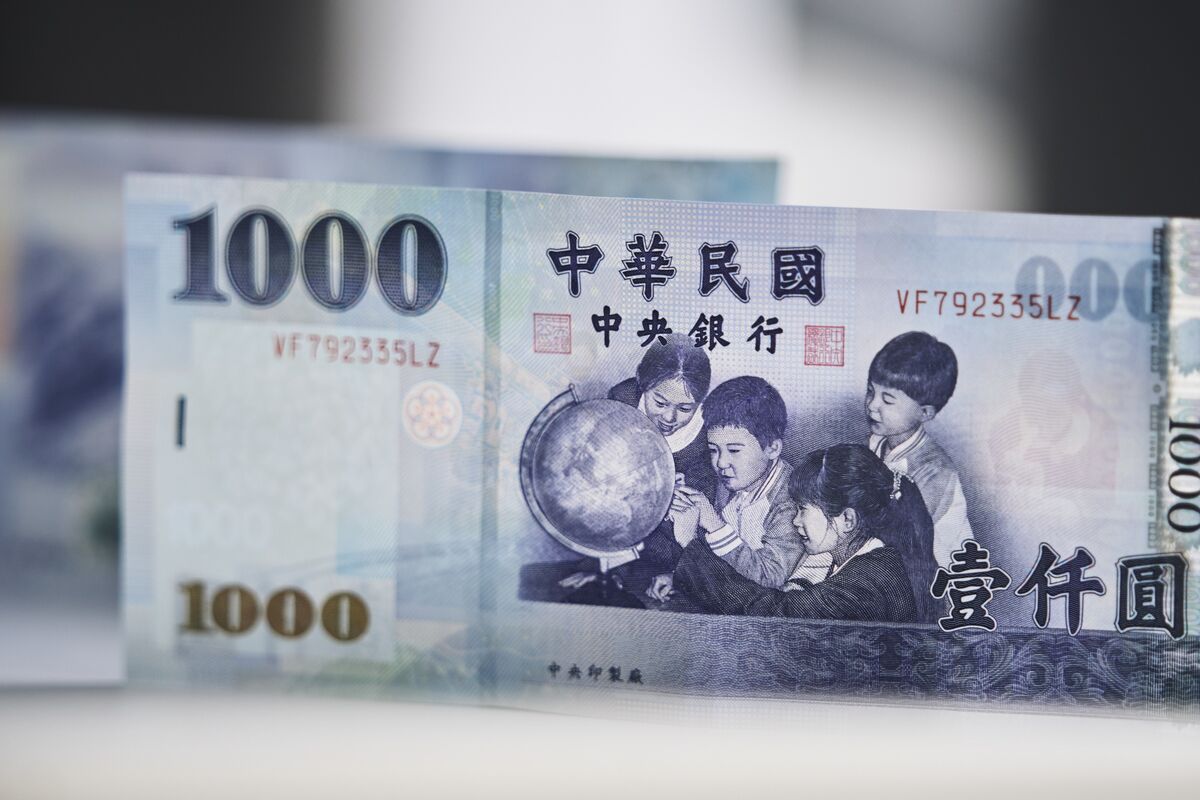
A surge in the Taiwanese dollar, up 11% since the end of March, has triggered significant capital inflows and driven local money-market rates to a 14-month low. This liquidity surge, fueled by exporter revenues and nearly $7.4 billion in foreign equity investment in May, may delay any monetary easing plans by Taiwan's central bank.
An 11% surge in the Taiwanese dollar since the end of March, attributed by the central bank to "excessive" inflows from exporters and foreign investors, has significantly impacted Taiwan's money markets. This influx includes nearly NT$220 billion ($7.4 billion) poured into local equities by overseas buyers in May alone, coinciding with gains in the benchmark index. Consequently, liquidity in the interbank market has been bolstered, driving the highest one-week interbank borrowing rate to a 14-month low. This pronounced slump in money-market rates suggests a potential delay in any planned monetary easing by Taiwan's central bank, as abundant liquidity alleviates immediate pressure for such measures.
AI-powered research, real-time alerts, and portfolio analytics for institutional investors.
Request DemoOverall Sentiment
Neutral
Sentiment Score
0.00
