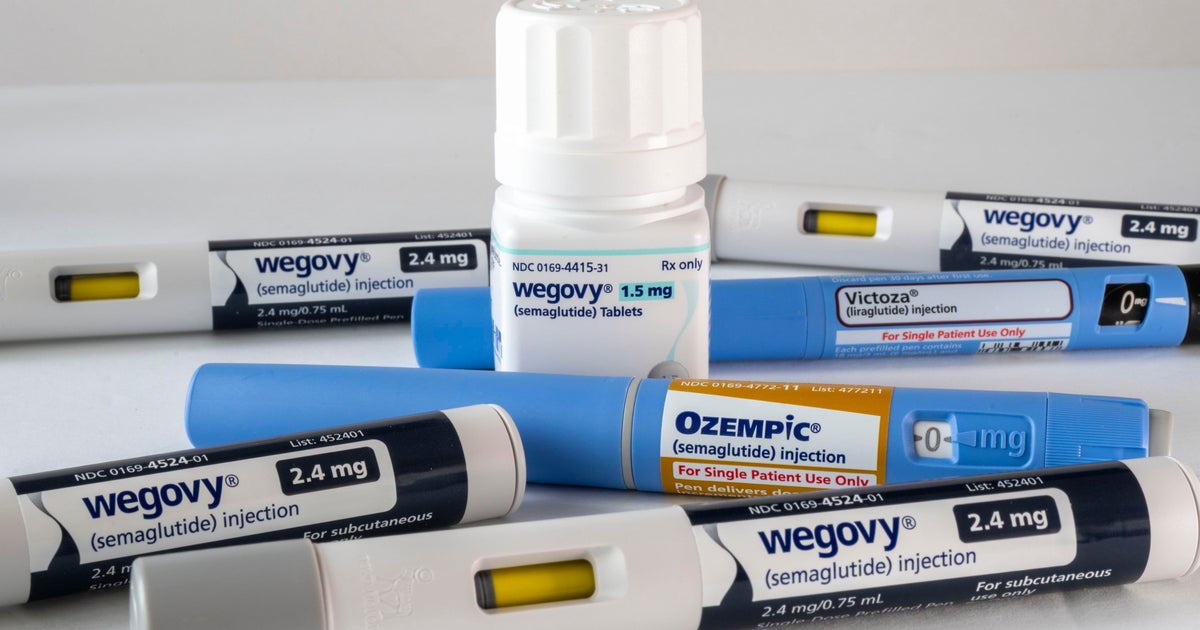
Novo Nordisk will cut list prices for Wegovy by 50% and Ozempic by 35%, setting a uniform $675/month price (also for Rybelsus) effective January 2027, a move the company frames as improving affordability and lowering out-of-pocket costs for patients with high-deductible plans. The reductions reflect mounting competition in GLP-1 weight-loss treatments from rivals such as Eli Lilly and leverage government purchasing initiatives (Trumprx.gov); while direct-to-patient discounted programs are unaffected, the lower list prices could pressure Novo Nordisk’s near-term revenue trajectory while defending market share against competitors.
Market structure: Novo’s announced cuts (Wegovy -50%, Ozempic -35% to $675/month starting Jan 2027) shifts pricing power toward payers and patients, compressing list-to-net spreads and immediately pressuring NVO gross margins. Winners: insurers/PBMs (CVS, UNH) and discount platforms (Trumprx) via lower unit cost; losers: NVO’s near-term EPS and any suppliers with margin-linked contracts. Cross-asset: expect NVO equity underperformance, modest widening in pharma credit spreads, and short-term uplift for USD (revenue FX effects) against DKK if repatriation expectations fall.
Risk assessment: Tail risks include accelerated regulatory price caps (Medicare expansion), aggressive competitor price-matching (LLY), or manufacturing constraints forcing supply-side scarcity; any of these could swing outcomes ±20% revenue for leaders. Immediate (days): equity repricing; short-term (weeks–months): guidance resets and gross-to-net revisions; long-term (2027+): volume-driven offset or sustained margin erosion. Hidden dependency: list price cuts alter rebate baselines and Medicaid best-price calculations, amplifying net price impact beyond headline cuts.
Trade implications: Tactical: establish a modest 1–2% short NVO (equity or 6–12 month put spread 10–25% OTM) to capture margin re-rating ahead of 2027; pair trade long LLY (2–3%) vs short NVO (1–1.5%) to express relative resilience in efficacy-led share gains. Options: buy NVO 9–12 month put spreads financed by selling 30–45% OTM calls to limit cost; rotate 2–4% into payers/PBMs (CVS, UNH) given higher negotiating leverage. Time entry now; reassess after next 60 days of guidance/formulary updates.
Contrarian angle: The market may over-penalize NVO — direct-to-patient discounts remain unchanged and price cuts delayed to 2027, allowing volume growth to partially offset ASP declines; if per-patient usage rises >25% by 2028, net revenue could stabilize. Historical parallel: pricing concessions in insulin led to increased access and volume over multi-year windows; consider buying NVO on >15% drawdown with 12–24 month horizon, conditional on R&D spend maintenance.
AI-powered research, real-time alerts, and portfolio analytics for institutional investors.
Request DemoOverall Sentiment
moderately negative
Sentiment Score
-0.30
Ticker Sentiment
