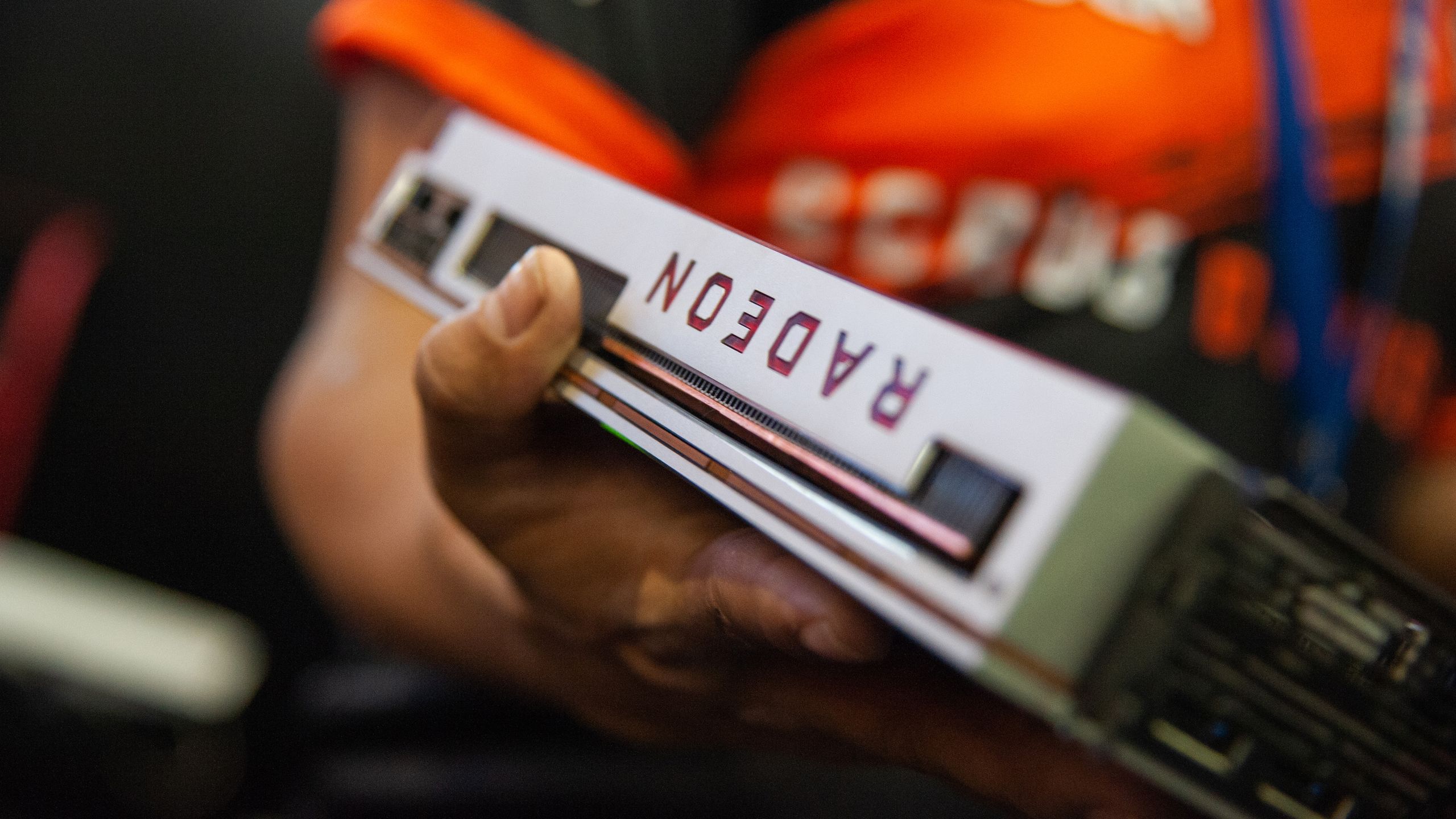
A global DRAM (and NAND) shortage has driven up retail Radeon GPU prices—AMD's RX 9000-series and 7000-series cards have risen between roughly 4% and 17% over three months (notably RX 9070 XT +17%, RX 9070 +15%, RX 9060 XT 16GB +14%, RX 9060 XT 8GB +10%; RX 7900 XTX +10%, RX 7600 XT +13%). AMD says it has cultivated DRAM supplier relationships and will try to limit price increases to protect consumer availability, but supply constraints and retailer repricing (previously +$10 per 8GB of memory) mean larger markups are likely; the shortage could persist for years, potentially through 2028. The situation presents a limited competitive opportunity versus Nvidia if AMD can moderate price inflation, but RDNA4 currently lacks top-end parity with NVIDIA's Blackwell high-end models.
Market structure: Memory-driven DRAM/NAND shortages are re-pricing consumer GPU economics — retailers have already pushed Radeon RX 9000-series prices +10–17% in 3 months, shifting margin power toward memory suppliers and retailers. AMD (AMD) gains tactical pricing advantage because RDNA4 uses GDDR6 (cheaper/less constrained than GDDR7), implying potential share gains in mid-range segments (9060/9070 classes) if AMD can supply SKUs at <10% retail premium versus Nvidia’s 50-series.
Risk assessment: Tail risks include a prolonged memory shortage to 2028 (industry consensus) or AMD allocating memory to AI/datacenter, starving consumer GPU supply; regulatory/export actions on AI chips or a sudden Nvidia (NVDA) price correction from demand destruction are low-probability/high-impact. Near-term (days–weeks) price volatility will be driven by retailer repricing and quarterlies; medium-term (3–12 months) by memory OEM guidance and shipment data; long-term (>12 months) by capacity additions from Micron/SK Hynix/Samsung.
Trade implications: Best asymmetric plays are relative-value: small core long in AMD vs hedged short/put exposure to NVDA; memory suppliers (Micron MU) are a direct commodity play benefiting from ASP expansion. Use option structures to cap capital: calendar or vertical call spreads on AMD (6–12 months) and bearish put spreads on NVDA (2–3 months) to exploit near-term repricing shocks.
Contrarian angles: Consensus overstates instant NVDA weakness — high-end AI demand could sustain prices and margins, making deep NVDA shorts dangerous; conversely, AMD’s PR “fight for gamers” is credible only if inventory metrics improve. Look for concrete shipment/GPU channel inventory prints and DRAM ASPs; misreading those could flip trades quickly.
AI-powered research, real-time alerts, and portfolio analytics for institutional investors.
Request DemoOverall Sentiment
mildly negative
Sentiment Score
-0.25
Ticker Sentiment
