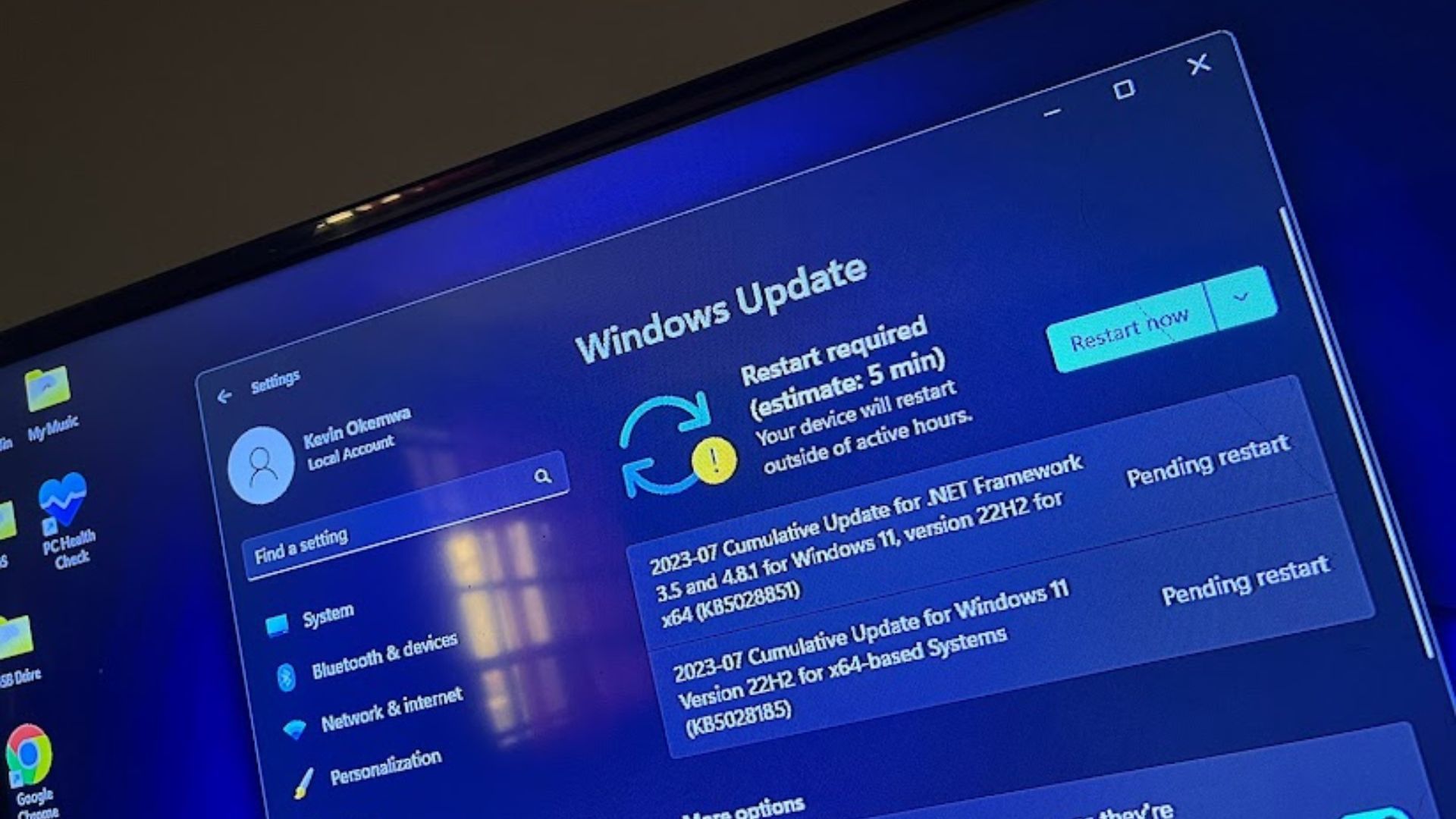
20%: ex-Windows lead Mikhail Parakhin highlighted a shelved '20/20' project aimed at reducing Windows' idle memory use and fresh install disk size by 20%. Microsoft has announced unspecified Windows 11 performance improvements—reduced resource usage and a smaller baseline memory footprint—but did not confirm the 20% targets. The communications are encouraging for user experience and could modestly reduce device resource needs if realized, but specifics are lacking so near-term financial impact on Microsoft or hardware suppliers is likely limited.
A meaningful reduction in Windows' baseline resource footprint changes device economics more than end-user UX: lower OS overhead increases usable capacity on low-cost laptops and thin clients, which can extend replacement cycles by roughly 12–24 months for budget devices and compress upgrade-driven component demand. That shift favors software-anchored monetization (subscriptions, cloud desktop) over one-time hardware refreshes and raises the strategic value of services that can monetize extra headroom (Azure Virtual Desktop, M365 premium tiers).
Component suppliers (DRAM/NAND/SSD) face a subtle, multi-year headwind because per-device incremental demand for memory/storage is a function of both hardware spec and OS baseline; even a low-single-digit percent reduction in addressable component bytes per OEM shipment scales to hundreds of millions in revenue across the market over several quarters. Conversely, Microsoft captures asymmetric upside via lower cloud persistent-VM costs and smaller enterprise image footprints — improving both gross margin on desktop-as-a-service and lowering enterprise migration friction, which can accelerate cloud migration cycles in 6–18 months.
Execution risk is the dominant reversal vector: compatibility regressions, enterprise testing inertia, and OEM firmware/software integration can delay or dilute delivery, while component vendors could offset lost bytes with higher ASPs or bundled features. Watch Windows Insider telemetry, OEM BIOS/firmware updates, and next two quarterly guides for signs of adoption; a positive signal inside 3–9 months materially increases MSFT optionality, while slip or rollback would compress the upside and re-elevate hardware vendor narratives.
AI-powered research, real-time alerts, and portfolio analytics for institutional investors.
Request DemoOverall Sentiment
mildly positive
Sentiment Score
0.20
Ticker Sentiment
