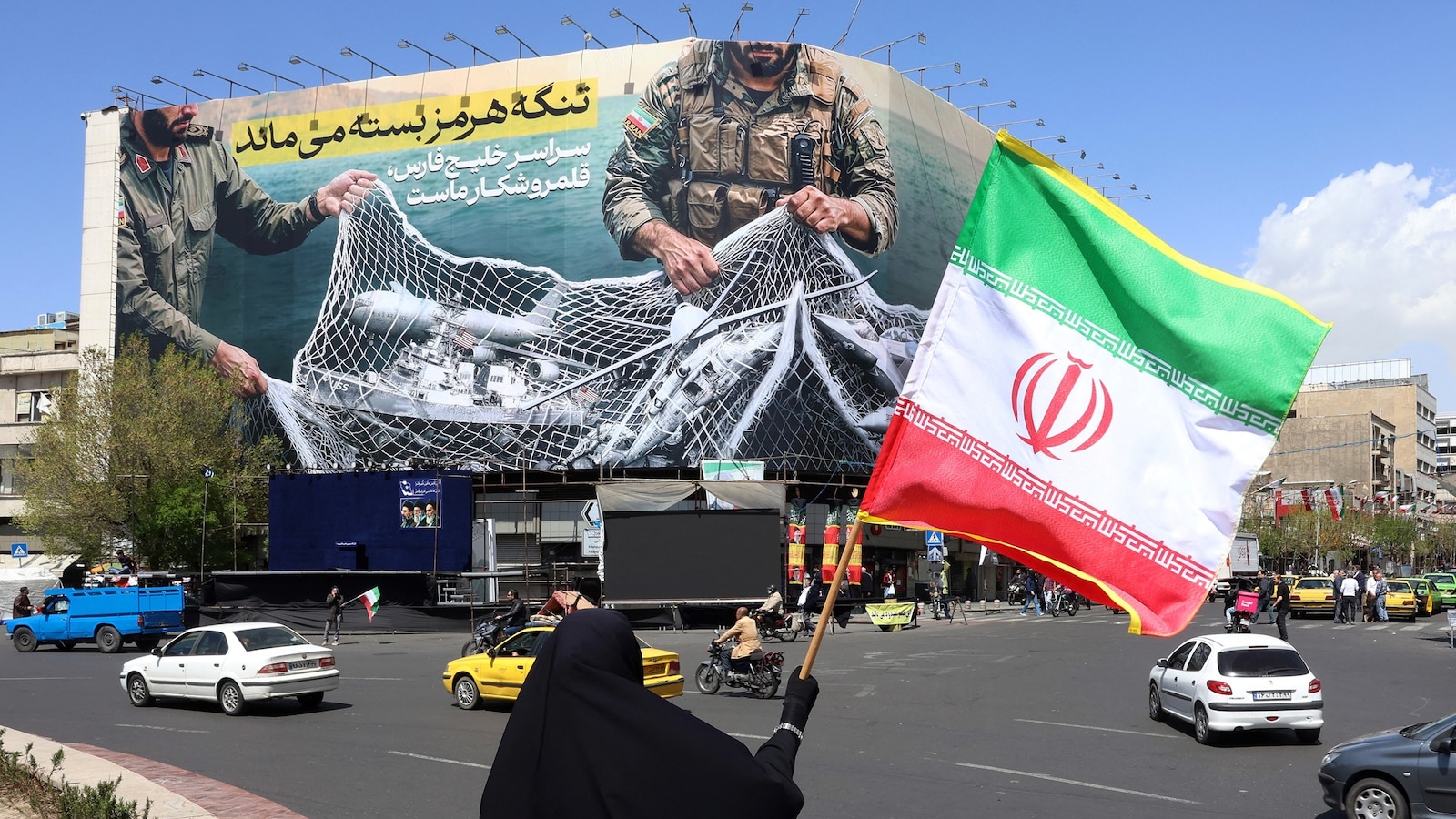
48-hour ultimatum: President Trump warned the U.S. will 'blow up the whole country' if Iran does not agree to open the Strait of Hormuz or make peace within 48 hours, explicitly threatening bridges and power plants. The statement materially escalates geopolitical risk in the Gulf and threatens disruption to energy and shipping flows through the Strait of Hormuz, creating potential for significant market volatility and risk-off positioning. Negotiations are reportedly mediated by Pakistan around a 15-point U.S. proposal, which Iran has publicly rejected and characterized as selective access for "non-hostile" vessels, increasing diplomatic uncertainty. Expect heightened volatility across energy, shipping, and regional risk-sensitive assets until diplomatic clarity or de-escalation occurs.
Public, high-profile ultimatums materially raise the market probability of miscalculation that disrupts Strait-of-Hormuz throughput—an event that would transmit to immediate logistics shocks (rerouting via Cape of Good Hope adds ~8–12 days transit and meaningfully lifts tanker demand) and a sharp Brent/WTI dislocation as seaborne barrels become scarce while landlocked US flows remain available. Expect a knee-jerk pricing response in the first 48–72 hours followed by a multi-week period where freight, insurance (war-risk), and counterparty credit premia reprice physical crude economics across regions.
Second-order winners include owners of tankers and commodity traders who can capture widened backhaul spreads; insurers, airlines, and refiners with concentrated Gulf feedstock exposure are clear losers as operating costs spike and crack spreads re-orient. Defense contractors and specialty engineering firms should see order-flow and margin expansion over a 3–12 month window if kinetic operations or infrastructure strikes become protracted, while sovereign reserve releases and diplomatic progress are the dominant reversal levers.
Risk framing: days for a price shock, weeks–months for rerouting and contract repricing, and years for any structural energy-policy shift. The two main catalysts to watch are (1) rapid closure or obstruction of maritime routes and (2) credible international mediation/SPR coordination; either can flip returns quickly. Manage idiosyncratic credit and liquidity risk—counterparties in freight, physical traders, and smaller shipping names will be first to show stress, creating contagion opportunities or forced liquidations.
Position construction should therefore emphasize short-dated optionality to capture asymmetric payoff on an acute shock, paired hedges to neutralize baseline directional exposures, and tight doctrinal exit rules tied to diplomatic milestones and official oil releases.
AI-powered research, real-time alerts, and portfolio analytics for institutional investors.
Request DemoOverall Sentiment
strongly negative
Sentiment Score
-0.85
