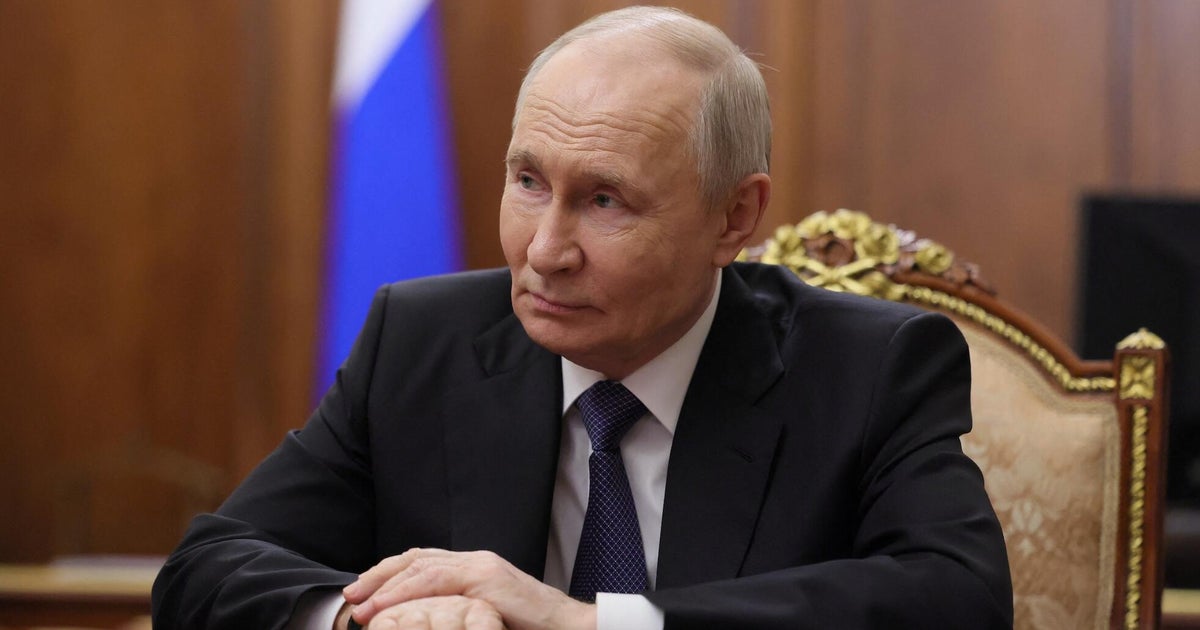
Russia began 3 days of major nuclear weapons drills on May 19-21 involving more than 65,000 soldiers, 7,800 pieces of equipment, and 200+ missile launchers, including aircraft, ships, submarines, and nuclear submarines. The exercise comes as Moscow and Washington are no longer constrained by the New START pact, while Putin heads to China and Ukraine warns of a possible new offensive from Belarus. The drills underscore heightened geopolitical and nuclear escalation risk across Europe.
The direct market read-through is less about an immediate military escalation premium and more about a renewed “tail-risk floor” under European risk assets. Nuclear signaling raises the probability that Russia keeps pressure on NATO’s eastern flank while avoiding conventional overcommitment; that tends to support defense spend, cyber, EW, drones, and border-security infrastructure rather than broad defense equities indiscriminately. The second-order effect is that procurement urgency in Europe should shift further from legacy platforms toward layered air defense, counter-UAS, and munitions replenishment, which is where backlog visibility and pricing power are strongest.
The more actionable implication is for supply-chain disruption and sanctions leakage. A more threatened Belarus corridor and heightened Russian mobilization increase the odds of tighter enforcement on dual-use exports, transshipment routes, and insurance/shipping frictions across the Black Sea and Baltics. That is mildly supportive for Western logistics and industrial firms with North American exposure, but negative for European cyclicals with longer Russia/CIS revenue tails, especially machinery, chemicals, and industrial automation suppliers still exposed through intermediaries.
The contrarian view is that this may be more signaling than regime change: Moscow’s incentive is to deter Ukrainian strikes and keep NATO cautious while preserving escalation control. If so, the equity impact should fade in days, not months, unless there is an actual change in posture on Belarus or a material strike on nuclear-adjacent infrastructure. The key catalyst is not the drill itself but any follow-on move: force posture changes in Belarus, transport of nuclear-capable systems closer to NATO, or a new sanctions package that broadens controls on shipping, insurance, and dual-use trade.
AI-powered research, real-time alerts, and portfolio analytics for institutional investors.
Request DemoOverall Sentiment
moderately negative
Sentiment Score
-0.45
