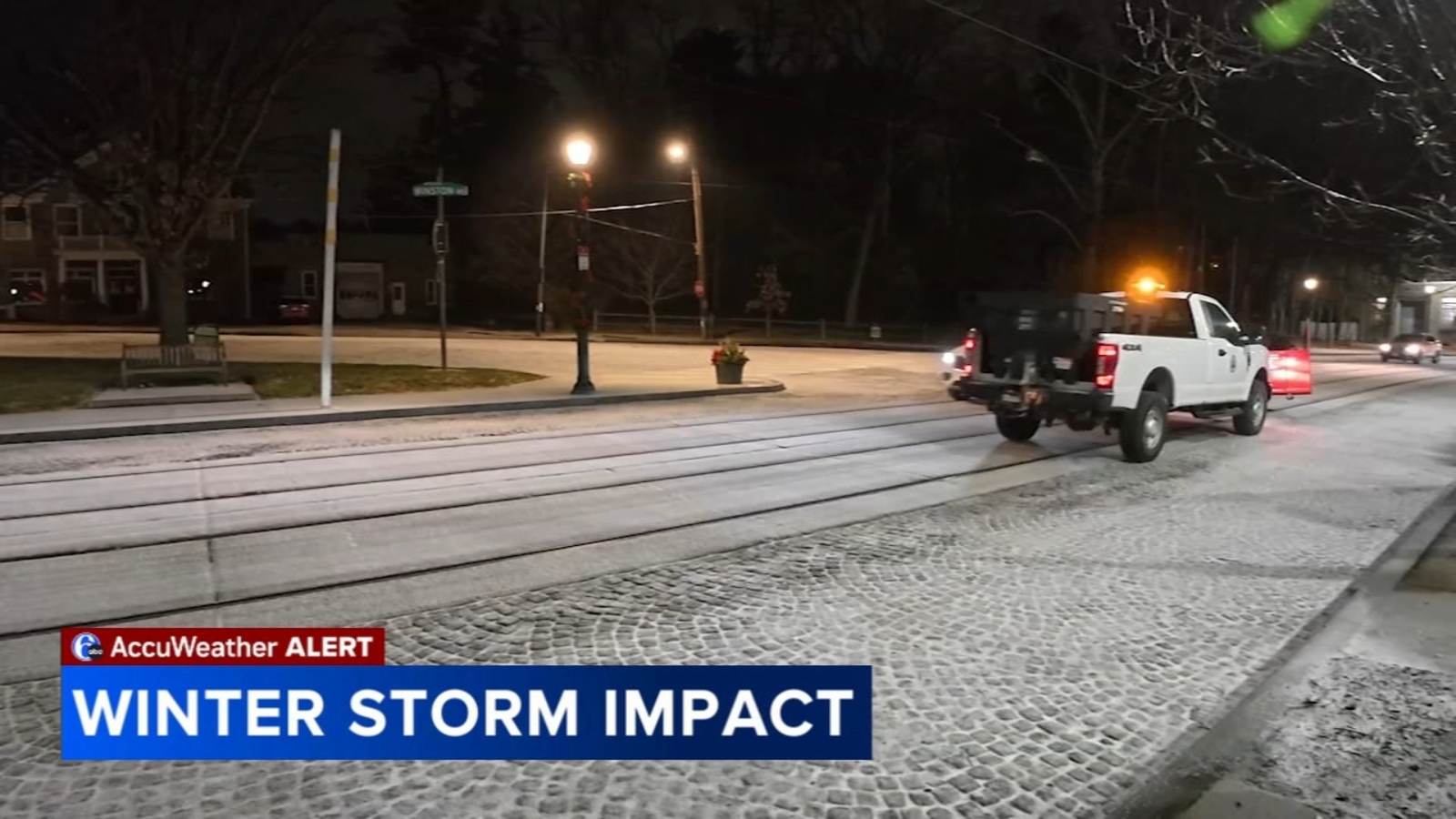
A winter storm prompted heavy consumer demand for de-icing supplies in Philadelphia, with Stanley's True Value reporting roughly 600 bags of 20 lb pet-friendly ice melter sold versus about 90 (or 65) last December. City crews and PennDOT actively treated roadways, reduced speed limits on key routes including I-76 and warned residents to avoid unnecessary travel after several accidents, including an overturned vehicle; plowing progress is being tracked at streetsmartphl.phila.gov. The event is a localized operational disruption that boosts near-term retail demand for salt/supplies while increasing short-term transportation and safety risks.
Market structure: Near-term winners are specialty winter-supply producers and brick‑and‑mortar hardware/garden retailers (Home Depot HD, Lowe’s LOW, Compass Minerals CMP, AutoZone AZO) that capture last‑mile, impulse purchases; losers are short‑haul transport and passenger carriers (DAL/UAL, CHRW) facing delays and speed‑limit reductions. Localized demand surges (anecdote: 600 vs ~80 bags sold y/y) imply 5–20% incremental SKU lift for stocked retailers for 48–72 hours, translating into measurable same‑store sales upside if storms repeat regionally.
Risk assessment: Tail risks include a multi‑day regional shutdown that disrupts supply chains (port/truck outages) and spikes insurance claims — negative for carriers and positive for P&C insurers (AIG, TRV) if priced correctly. Time horizons: immediate (0–7 days) logistic/airline pain and retail footfall spike; short (weeks) inventory restocking and price adjustments; long (quarters) depends on cumulative storm frequency (if >2 major storms in 30 days, aggregate seasonality materially raises producers’ EBITDA by mid single digits).
Trade implications: Favor short‑dated, tactical exposure: buy retail hardware (HD, LOW) and salt producer (CMP) into restocking waves; tactically hedge/short regional airlines or buy short‑dated puts around forecasted storms. Use call spreads on retailers to limit spend and buy CMP outright for 4–12 week seasonal carry if inventories tight. Monitor NOAA 7–14 day storm count and HD weekly comps to scale in/out.
Contrarian angles: Consensus underrates transiency — a single storm rarely lifts national equities; risk of mean reversion is high if forecasts don’t materialize. Historical parallels (East Coast storms 2014–2018) show 3–10 trading day spikes then normalization, so avoid multi‑quarter bets unless meteorological models signal persistent above‑normal winter (≥2 additional major storms in 30 days).
AI-powered research, real-time alerts, and portfolio analytics for institutional investors.
Request DemoOverall Sentiment
neutral
Sentiment Score
-0.05
