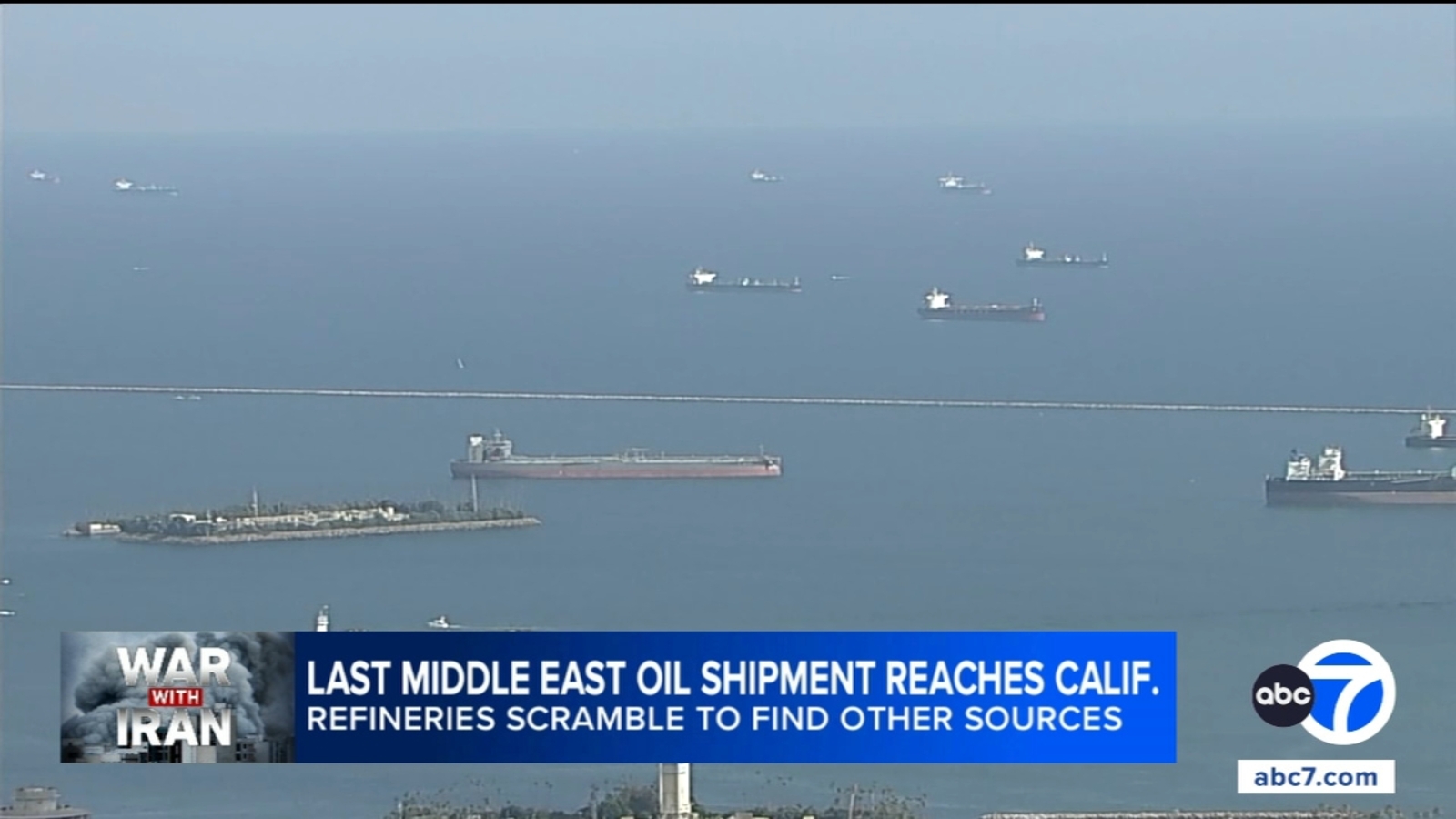
California gas prices have reached a four-year high, averaging $6.11 per gallon, as the final Middle East oil tanker to reach Long Beach docks amid the Strait of Hormuz disruption. Officials warned the last buffered shipment is now arriving, with the next tanker potentially weeks or months away, raising the risk of further price spikes. The U.S. is deploying guided-missile destroyers, aircraft, unmanned platforms and 15,000 service members under Project Freedom to protect shipping through the strait.
This is less a one-day gasoline headline than a delayed inventory shock. The market has been pricing the disruption as a rolling buffer because tankers already at sea kept flowing; once that cushion clears, the key variable becomes replacement latency, not just crude price. That creates an asymmetric setup where regional product markets can gap far faster than global crude benchmarks, especially on the West Coast where logistics optionality is constrained and refinery utilization is already close to the edge. The biggest second-order effect is margin dispersion across the energy complex. Upstream names benefit only modestly if the shock stays localized to product markets, but refiners with Gulf Coast feedstock access and marine logistics flexibility can capture a spread widening as California and other constrained markets pay up for imported barrels and finished products. Conversely, west-coast exposed retailers, airlines, and trucking operators face a near-term squeeze from both higher fuel costs and working-capital drag, with the pain showing up before macro demand destruction has time to offset it. The catalyst window matters: days to weeks for gasoline pump prices, weeks to months for physical inventory normalization, and months for any strategic response. The real reversal risk is diplomatic or military de-escalation that reopens shipping lanes or restores confidence in transit insurance; absent that, price elasticity will be overwhelmed by logistics scarcity first. A subtler contrarian read is that the market may still be underpricing refined-product tightness relative to crude, because headline attention centers on oil while consumer pain and political pressure will be driven by gasoline and jet fuel availability. For defense and shipping, the implication is mixed: the security umbrella supports demand for naval systems and unmanned platforms, but it also raises the probability of a miscalculation that extends the disruption rather than solves it. That favors assets tied to sustained security spend over pure transportation exposure, while keeping a close eye on any policy push to unlock alternative imports, SPR use, or emergency fuel waivers that could compress the trade quickly.
AI-powered research, real-time alerts, and portfolio analytics for institutional investors.
Request DemoOverall Sentiment
strongly negative
Sentiment Score
-0.65
