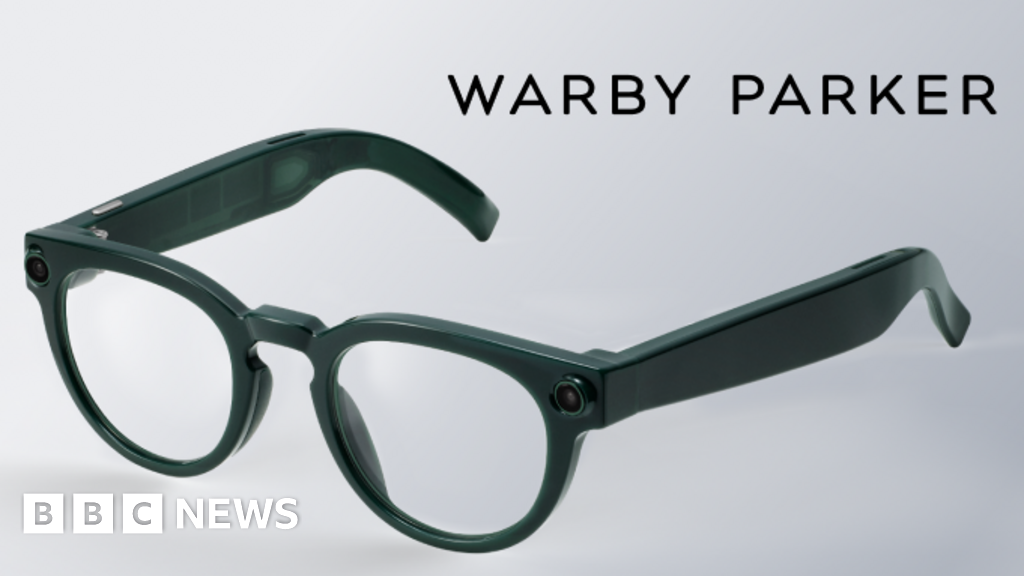
Google plans to launch its first smart glasses since Google Glass in autumn, featuring a camera, speakers, and Gemini AI integration, with versions designed by Warby Parker and Gentle Monster. The device will work with both Android and iOS, while a later in-lens display version is still in development. The reboot signals renewed competition in AI wearables, though privacy concerns around camera-equipped glasses remain a material risk.
Google’s re-entry into glasses is less about near-term hardware revenue and more about forcing a new distribution layer for Gemini that bypasses the app-store bottleneck. If usage migrates from phone screens to voice-first ambient interaction, the monetization mix shifts toward higher-frequency, lower-friction queries — a subtle but important tailwind for search-adjacent engagement and cloud AI inference demand over the next 12-24 months. The bigger strategic signal is defensive: Google is trying to establish an ecosystem foothold before AI eyewear becomes a normalized interface, and that could matter more than unit economics in the first cycle.
The second-order winner is Warby Parker if this becomes a credible consumer category, because eyewear brands can capture the fashion layer while outsourcing the silicon/AI stack. That said, the near-term financial impact is likely immaterial; the real option value is brand association and distribution access, not immediate earnings accretion. The more interesting read-through is for private-market startups building context-aware apps: smart glasses create a new on-ramp for niche software, but also raise platform dependence risk if Google controls discovery and default assistant behavior.
For Meta, the issue is not product parity but attention-share and developer mindshare. Google entering with a broader Android/iOS-compatible posture could slow Meta’s ability to own the category narrative, especially if consumer concerns about cameras/audio are revived. Apple looks like the longer-dated wildcard: if this category gains acceptance before Apple ships, it risks ceding the premium interface standard to a less integrated ecosystem, though Apple can still compress the market later with superior hardware/software cohesion.
The contrarian view is that the category’s biggest constraint remains social acceptability, not technology. Adoption can stall quickly if public backlash turns smart glasses into a visible privacy symbol, which would hit demand curves in weeks rather than years. In that case, the stock-level impact would likely be largest for the most direct optics on wearables sentiment, while Google’s core earnings stay largely insulated.
AI-powered research, real-time alerts, and portfolio analytics for institutional investors.
Request DemoOverall Sentiment
mildly positive
Sentiment Score
0.35
Ticker Sentiment
