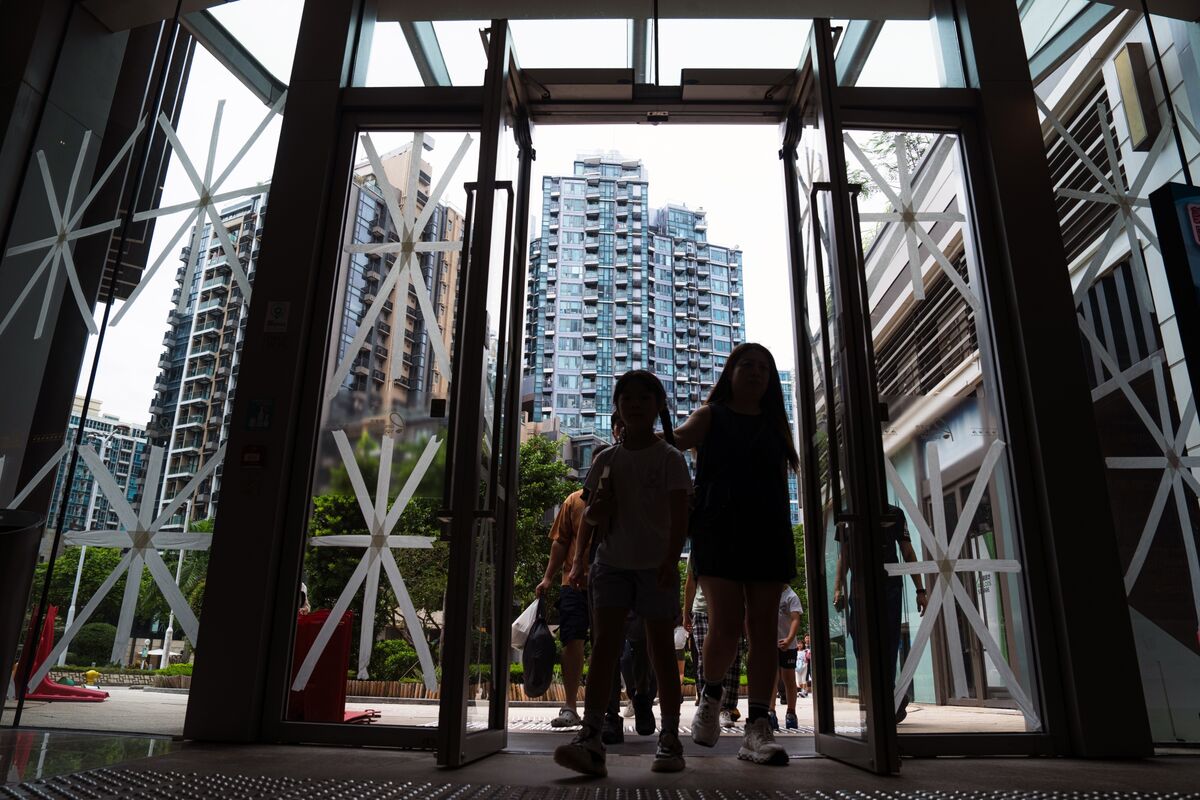
Hong Kong has initiated a shutdown in anticipation of Super Typhoon Ragasa, which is forecast to be the most powerful storm to impact the city since 2018, packing sustained winds of 220 km/h (Category 4 equivalent). The typhoon is expected to pass closest to Hong Kong early Wednesday before tracking along the southern China coast towards Vietnam, signaling potential significant disruptions to regional business operations and logistics.
Hong Kong is implementing a city-wide shutdown in preparation for Super Typhoon Ragasa, which is forecast to be the most significant storm to affect the financial hub since 2018. With sustained winds of 220 km/h, equivalent to a Category 4 hurricane, the typhoon poses a substantial threat of physical and economic disruption. The immediate consequence is a halt to all business activity, including the closure of financial markets, which will create a backlog and potential volatility upon reopening. The storm's projected path along the southern coast of China towards Vietnam extends the risk beyond Hong Kong, threatening major manufacturing and shipping hubs in the Pearl River Delta. This regional disruption has significant implications for global supply chains, logistics, and companies with operational footprints in the area, justifying the strongly negative sentiment and expected market impact.
AI-powered research, real-time alerts, and portfolio analytics for institutional investors.
Request DemoOverall Sentiment
strongly negative
Sentiment Score
-0.75
