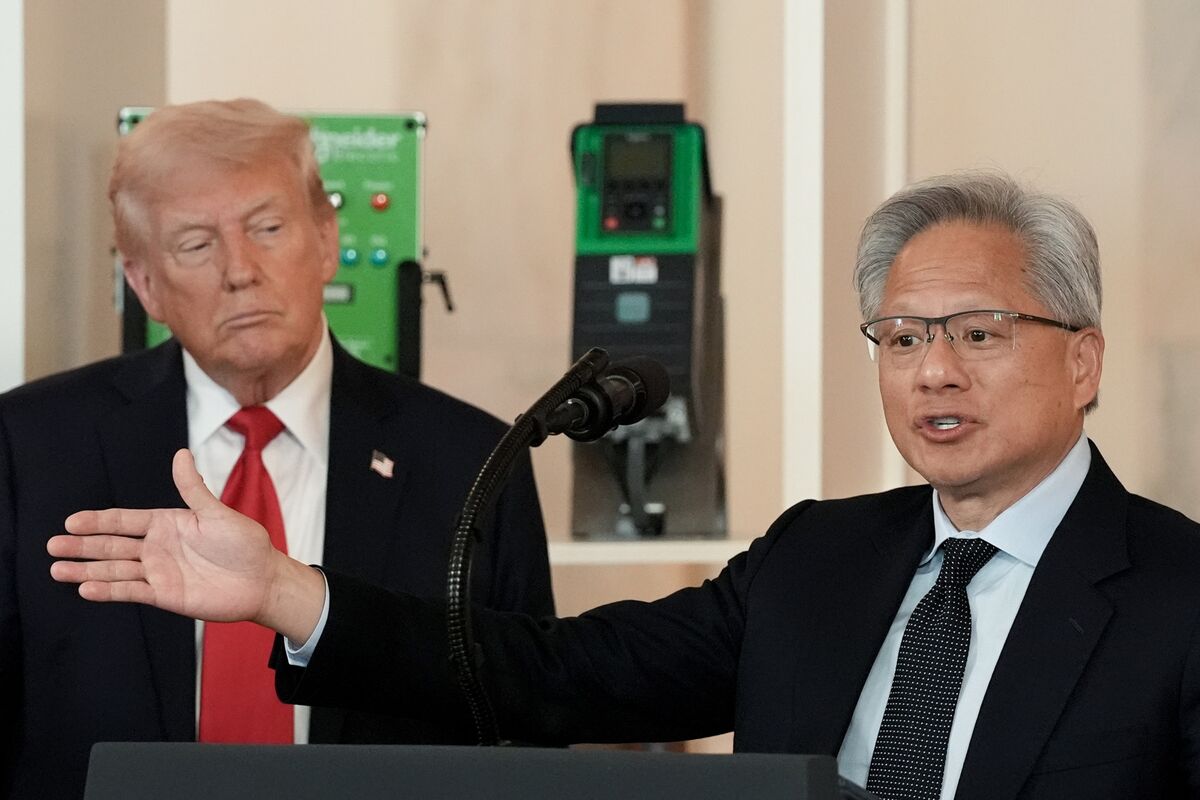
Donald Trump's administration is increasingly adopting a 'Chinese Model' of direct government intervention in corporate affairs, signaling a departure from traditional Republican free-market principles. This includes demands for a government share of AI chip sales to China from Nvidia and AMD, reported talks for a 10% stake in Intel, and the Pentagon's recent $400 million preferred equity acquisition in a rare earth mining company. This trend signifies the U.S. government becoming a direct corporate stakeholder, potentially impacting market dynamics and corporate autonomy in strategic sectors like technology and critical minerals.
The U.S. administration's reported shift towards direct corporate intervention, dubbed the 'Chinese Model', marks a significant departure from traditional free-market principles and introduces a new layer of political risk for investors in strategic sectors. This policy pivot is not theoretical, as evidenced by specific actions including demands for a government cut from Nvidia's and AMD's AI chip sales to China, discussions for a 10% government stake in Intel, and a $400 million preferred equity investment by the Pentagon in a rare earth mining company. This trend of the government becoming an active corporate stakeholder creates material uncertainty for the affected companies. For Nvidia and AMD, it represents a potential direct tax on a key revenue stream, reflected in their negative sentiment scores of -0.65. For Intel, already described as 'beleaguered', a government stake could imply both a lifeline and a complication for corporate governance and shareholder interests, contributing to its more pronounced negative sentiment of -0.75. This interventionist approach blurs the lines between national security policy and corporate finance, directly impacting operational autonomy and profitability.
AI-powered research, real-time alerts, and portfolio analytics for institutional investors.
Overall Sentiment
moderately negative
Sentiment Score
-0.55
Ticker Sentiment
