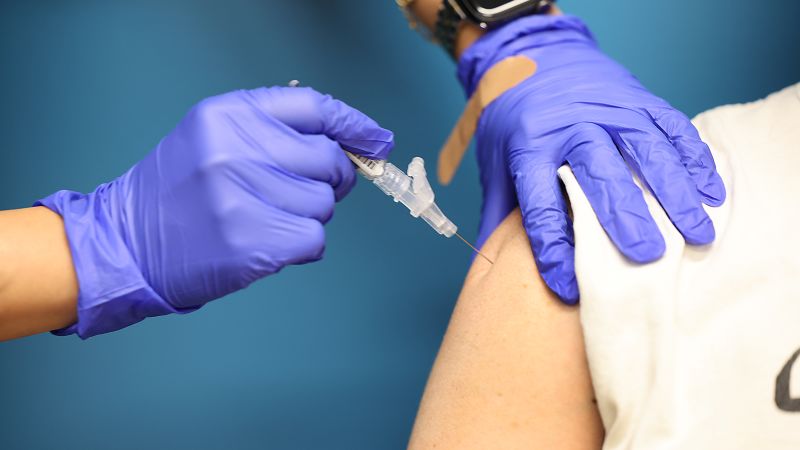
The CDC has updated its Covid-19 vaccine recommendation, now requiring individuals to consult a healthcare provider before vaccination, a shift from previous universal guidelines. While a prescription is not mandatory, this change, implemented later than usual for the fall season, may create new access barriers, particularly for uninsured populations. Major pharmacies like CVS are adapting to offer vaccines nationwide without external prescriptions, and the new policy enables distribution through the Vaccines for Children program, reflecting a pivot towards "informed consent" over blanket booster recommendations.
The US Centers for Disease Control and Prevention signed off on a recommendation that patients must consult a health care provider to get a Covid-19 vaccine, although they don’t necessarily need a prescription. The updated CDC recommendation — made by a new panel of vaccine advisers chosen by US Health and Human Services Secretary Robert F. Kennedy Jr. — shifted away from a broader push in past years for most people to get an updated Covid-19 vaccine. It became final with signoff from Acting CDC Director Jim O’Neill. The new recommendations mean people ages 6 months and older can get Covid-19 vaccines after consulting with a qualified health care provider, which keeps the shots available but may also create more barriers to access than in past years. Before the finalized recommendation this year, access to Covid-19 shots has differed from state to state as pharmacies and providers navigated new federal vaccine policies. CVS, which had previously limited access to Covid-19 shots in some places, said Monday that it was “updating our systems to be able to offer the updated COVID-19 vaccines to patients nationwide” and that “prescriptions from outside prescribers will no longer be required in any states.” The signoff is also coming later than usual for the fall respiratory virus season. With the recommendation, the government can finally distribute Covid-19 vaccines through its Vaccines for Children program, which provides free inoculations to about half of US children. The CDC’s independent vaccine advisers, the Advisory Committee on Immunization Practices, voted unanimously last month that people who want a Covid-19 vaccine should consult with a health care provider, a process called shared clinical decision-making. However, they narrowly voted down a recommendation that a prescription should be required to get the shot. In August, the US Food and Drug Administration moved to limit approval of Covid-19 vaccines to adults 65 and older as well as younger people who are at higher risk of severe illness because of other health conditions. A study published last month in the journal JAMA Network Open found that a universal Covid-19 vaccine recommendation — as had been in place for the US in recent years — could save thousands more lives than limiting the recommendation to high-risk groups. Experts said that even requiring shared clinical decision-making could make Covid-19 shots harder to get. The recommendation “assumes health care and insurance,” said Dr. Demetre Daskalakis, who recently resigned as head of the CDC’s National Center for Immunization and Respiratory Diseases. “We do not have universal health care in this country, and we know millions of people are losing insurance.” HHS said it was bringing back “informed consent” ahead of vaccination. “CDC’s 2022 blanket recommendation for perpetual COVID-19 boosters deterred health care providers from talking about the risks and benefits of vaccination for the individual patient or parent. That changes today,” O’Neill, who is also the deputy secretary of HHS, said in a statement. Another new recommendation will mean toddlers get their first vaccines against measles and chickenpox separately, around their first birthdays. In this case, the ACIP guidance formalizes an existing recommendation, which is designed to reduce a very rare, slightly elevated risk of seizures when the two shots are combined into a single injection. The CDC advisers said that the single-dose measles, mumps, rubella and varicella vaccine was not recommended before age 4 and that younger kids should get the varicella vaccine, which protects against chickenpox, separately from the shot that protects against measles, mumps and rubella. The U.S. CDC has updated its Covid-19 vaccine recommendation, now requiring consultation with a healthcare provider for individuals aged 6 months and older, a departure from prior universal guidelines. While a prescription is no longer mandated, this new "shared clinical decision-making" process, finalized by Acting CDC Director Jim O’Neill, may introduce additional access barriers, particularly for uninsured populations, as highlighted by Dr. Demetre Daskalakis. This pivot occurred later than usual for the fall respiratory virus season. In response to the evolving regulatory landscape, CVS announced it is updating systems to offer updated Covid-19 vaccines nationwide without requiring external prescriptions, aligning with the CDC's non-prescription requirement. This updated recommendation also enables the government to distribute Covid-19 vaccines through its Vaccines for Children program, crucial for providing free inoculations to approximately half of U.S. children. The CDC's shift reflects a move towards "informed consent," superseding previous "blanket recommendations" for boosters, as stated by O’Neill. This aligns with the FDA's earlier move to limit Covid-19 vaccine approval to adults 65 and older and high-risk younger individuals. Experts, however, caution that even this shared decision-making could hinder widespread vaccination, potentially impacting public health outcomes and demand.
AI-powered research, real-time alerts, and portfolio analytics for institutional investors.
Request DemoOverall Sentiment
neutral
Sentiment Score
0.00
Ticker Sentiment
