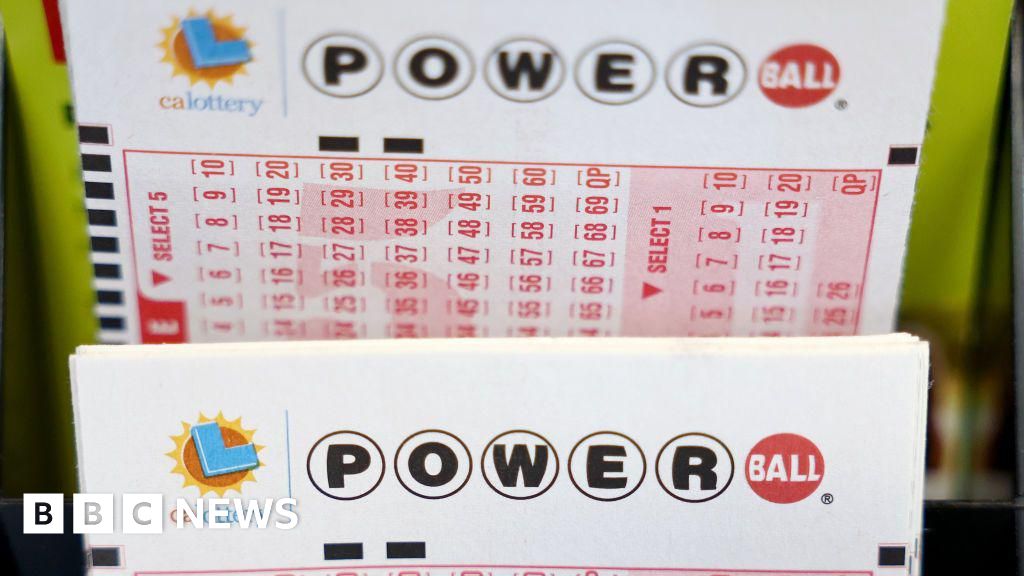
A single Powerball ticket sold in Arkansas matched the numbers 4, 25, 31, 52, 59 and red Powerball 19 to win a $1.817 billion jackpot in the Christmas Eve drawing, the second-largest single-ticket prize on record. The winner can take a lump-sum cash option of $834.9 million or a 29-year annuity; lottery tickets cost $2, odds of a jackpot are 1 in 292.2 million, and winnings face federal tax withholding in the 24–37% range (plus most state taxes).
Market structure: The immediate winners are retailers and lottery vendors (ticket sellers) and public vendors of lottery systems (e.g., IGT) via short-term promotional and transactional volume; expect a 10–30% spike in daily ticket sales in the 1–3 week window after a record jackpot based on past peaks. Broad consumer-spend impact is negligible at the national level (<1bp GDP) but could create concentrated short-term spending in Arkansas (local hospitality, luxury goods) and incremental ad revenue for media outlets covering the win for 2–6 weeks.
Risk assessment: Tail risks include regulatory scrutiny on lottery advertising and taxation (state or federal inquiries) and operational disputes if ticket validation is contested; these are low probability but could depress vendor multiples by 5–10% if protracted. Time horizons: immediate (days) — media/retail spike; short-term (weeks–months) — vendor revenue recognition and promotional cycles; long-term (quarters–years) — no durable shift in gaming demand absent policy change.
Trade implications: Tactical opportunities favor gaming-lottery suppliers over casino-equipment or online-gaming peers because payouts drive retail transactions not floor play; expect a mean-reversion window of 4–12 weeks to capture inflated volumes. Volatility should rise slightly for small-cap gaming tech names for 30–60 days — use defined-risk options to harvest directional exposure while limiting drawdowns.
Contrarian angles: Consensus will treat this as a feel‑good headline with no tradable signal; that understates cyclicality of jackpot-driven front‑end sales which historically create 10–25% quarterly revenue bumps for lottery suppliers. Unintended consequence: a publicized big winner increases political pressure to audit lottery operations and review tax treatment, which could create regulatory drag on sector multiples over 3–12 months.
AI-powered research, real-time alerts, and portfolio analytics for institutional investors.
Request DemoOverall Sentiment
neutral
Sentiment Score
0.10
