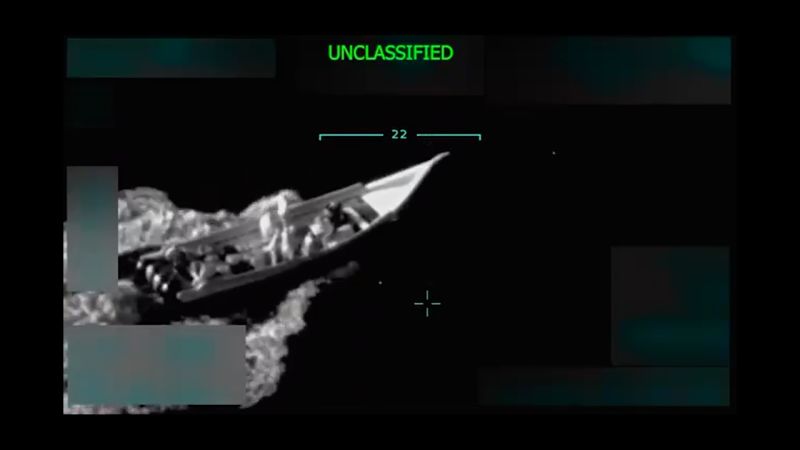
US forces conducted a September 2 “double‑tap” strike on a suspected narcotics vessel in the Caribbean that sources say killed remaining survivors and raised the confirmed death toll to 11, prompting legal and congressional scrutiny. The administration has defended the campaign by classifying roughly two dozen cartels as part of an armed conflict and relying on a classified DOJ opinion permitting lethal strikes, but senior DoD lawyers, lawmakers and allied partners (including the UK) have expressed skepticism and curtailed intelligence sharing, creating reputational, legal and operational risks for US defense and foreign policy operations in the region.
Market structure tilt: the immediate winners are ISR/intelligence analytics and large diversified defense primes that supply maritime surveillance (beneficiaries: LHX, NOC, LMT). Losers are reputationally sensitive counterparties (UK intelligence partnerships) and travel/shipping lines operating Caribbean routes (RCL, CCL) plus specialty insurers facing war-exclusion claims. Pricing power shifts toward suppliers of persistent maritime ISR, commercial GEOINT and analytics (PLTR, MAXR) as DoD seeks stovepipe-independent data sources.
Risk assessment: tail risks include a limited land incursion into Venezuela (low prob, high impact → Brent +$10–$20 within days; trigger: sustained oil move >5% in 3 trading days) and material legal/ congressional restraints on extraterritorial strikes (30–90 day horizon) that could pause procurement. Hidden dependency: UK intelligence pause increases near-term demand for US commercial GEOINT, but also raises operational risk that slows contract awards; watch Adm. Holsey exit in Dec as governance catalyst.
Trade implications: favor 3–9 month exposure to ISR/analytics (go long LHX and PLTR sized 2–3% each) and hedge with short, small positions in Caribbean travel (short RCL/CCL 1–1.5% or buy 1–3 month puts). Use call spreads on NOC for upside exposure while limiting cash outlay (6-month 5–10% OTM call spreads). If Brent breaches $85 and holds for 48 hours, add 2% energy exposure (XOM/XLE) as geopolitical risk premia.
Contrarian angles: consensus underestimates commercial data providers — UK cutoffs make PLTR/MAXR-style plays underpriced vs legacy primes; the market may be overpricing legal/regulatory blowback to majors (LMT/RTX) — these could re-rate if Congress limits tactical ops but funds procurement. Historical parallel: post-9/11 ISR surge (12–24 month procurement ramp); unintended consequence: accelerated privatization of maritime intelligence, benefiting software/imagery names over platform builders.
AI-powered research, real-time alerts, and portfolio analytics for institutional investors.
Request DemoOverall Sentiment
moderately negative
Sentiment Score
-0.50
