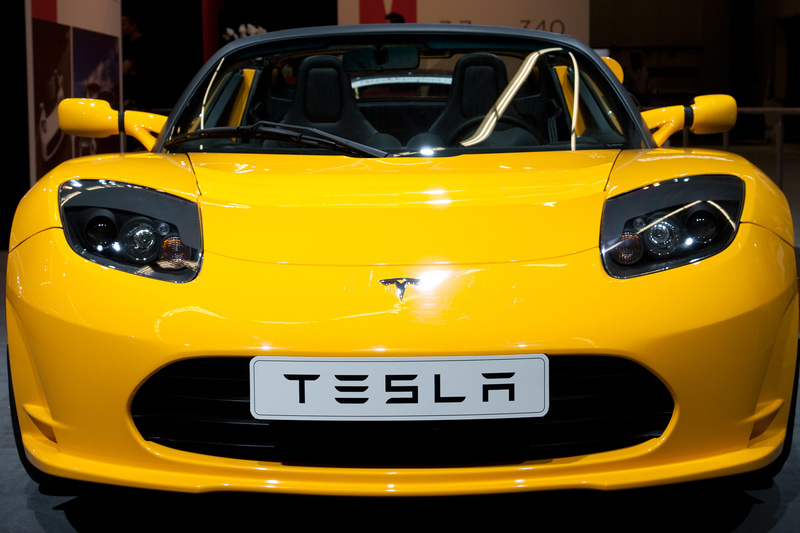
Tesla delivered 358,023 vehicles in Q1 2026 (below sell‑side consensus ~365,645) and produced 408,386 vehicles (vs Visible Alpha consensus ~446,063); energy storage deployments were 8.8 GWh versus a ~14.4 GWh street consensus. Several brokerages adjusted views—Baird trimmed its price target to $538 (from $548), Truist cut to $400 (Hold), JPMorgan remains Underweight with a $145 target while Canaccord reiterated Buy at $420 and Cantor Fitzgerald kept Overweight—while the stock is down ~20% YTD and InvestingPro flags it as overvalued.
Tesla’s headline softness accelerates a rotation in investor focus from absolute unit growth to margin sustainability and optionality execution. The market will increasingly treat future product ramps (Semi, Cybercab, Optimus) as binary catalysts that either re-rate the multiple or further compress it if timing or unit economics slip; that dynamic magnifies sensitivity to any single miss in production or energy deployments.
A persistent shortfall in energy deployments is a second-order hit: it reduces recurring-service/installation revenue cadence and weakens cross-sell economics for vehicle-to-grid and fleet battery backstops, which in turn raises break-even ASPs for future stationary storage products. At the same time, aggressive China pricing is exporting deflationary pressure into nearby markets (Korea, SE Asia), forcing peers to respond and compressing OEM ASPs across the region rather than leaving Tesla insulated.
Supply-chain winners/losers will be selection-dependent — cell and inverter makers tied to utility-scale storage will see delayed revenue conversion, while firms with diversified EPC/service businesses will win share as customers prioritize delivered projects over OEM brand. Finally, analyst divergence and mixed buy/sell stances create a structural volatility opportunity: headline-driven intraday moves will remain large, but multi-quarter fundamental outcomes hinge on a handful of execution items (production yield, energy bookings, margin per vehicle), making event-risk hedges cost-effective.
Key risk horizons: days-weeks for sentiment-driven volatility around analyst notes and headlines; months for observed margin and deployment trends to manifest in quarterly results; 12–24 months for optionality risk around new products. A clear reversal would require sustained sequential improvement in deployment cadence and demonstrable margin recovery on core models, not just price stabilization.
AI-powered research, real-time alerts, and portfolio analytics for institutional investors.
Request DemoOverall Sentiment
mildly negative
Sentiment Score
-0.30
Ticker Sentiment
