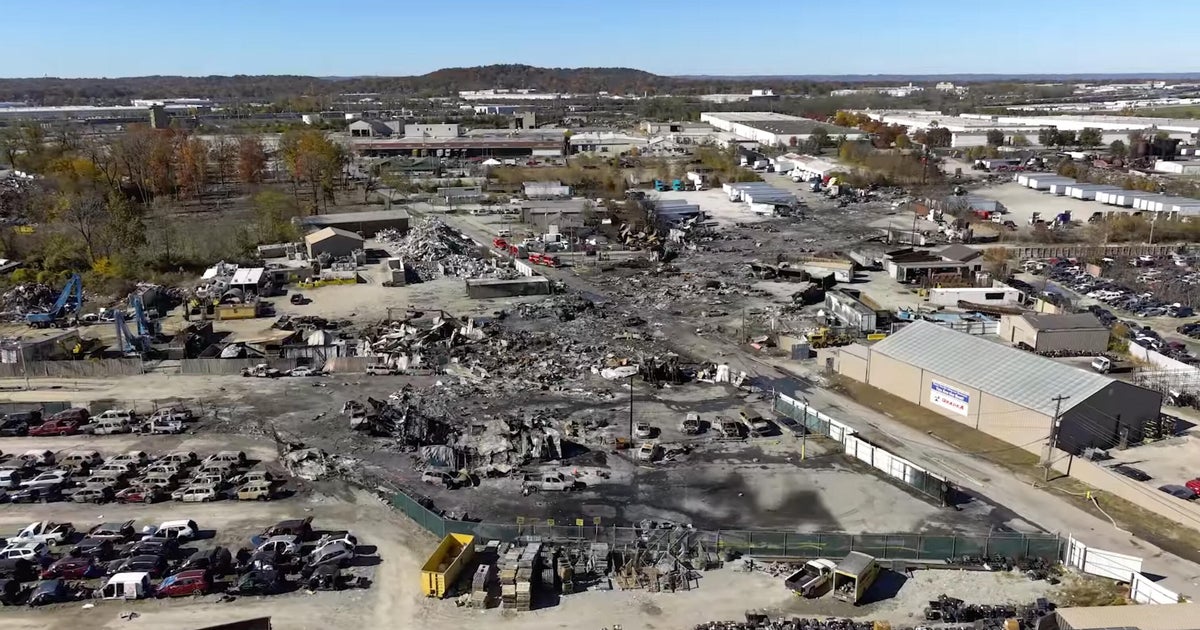
The NTSB reported that a spherical bearing race that helped secure an MD-11 engine to the wing failed in the Nov. 4, 2025 UPS crash in Louisville that killed 15 people, and Boeing had documented four prior failures of the part in 2011 but did not classify the issue as a safety-of-flight condition. Investigators found cracked engine-mount components missed by routine maintenance, Boeing's 2011 service bulletin did not mandate repairs and the FAA did not issue an airworthiness directive, prompting grounding of MD-11/DC-10 aircraft and the first lawsuit alleging prior warnings were inadequate—outcomes that raise material regulatory, litigation and reputational risks for Boeing and operational implications for UPS.
Market structure: Direct losers are Boeing (BA) and operators of aging MD-11/DC-10 freighters (notably UPS), while FedEx (FDX), lessors of newer widebody freighters and MRO specialists are relative beneficiaries as capacity shifts. Expect accelerated retirements and a short-to-medium term tightening in available late‑model freighter capacity that should push lease rates and spot airfreight rates modestly higher (mid-single-digit %-points) over 3–12 months, benefiting integrators with modern fleets and asset-light carriers.
Risk assessment: Tail risks include an FAA/foreign grounding or AD that forces immediate retirements (days–weeks) and multi‑jurisdiction litigation that could push combined liabilities into the low‑single‑digit billions within 6–24 months, widening BA credit spreads. Immediate market shocks (days) will hit BA equity and bonds and push implied equity vol +30–70% on knee‑jerk; medium term (months) the key dependency is whether the NTSB final report or FAA issues a mandatory AD—those are the primary catalysts.
Trade implications: Prefer targeted downside exposure to BA via time‑limited option structures rather than naked short; prefer relative long FDX vs short UPS to capture capacity reallocation and reputational drag on UPS over 3–6 months. Reduce direct exposure to operators with concentrated old‑freighter fleets; rotate into logistics/ground transportation names and MRO suppliers over 1–4 quarters.
Contrarian angles: Consensus may overprice existential OEM risk—BA has diversified defense/backlog revenue that caps downside versus pure commercial exposure; a sustained panic that pushes BA >20% below prior close or 5‑yr CDS above ~200bps would create a tactical long entry. Historical DC‑10 precedent shows regulatory-driven selloffs can reverse once technical fixes and liability frameworks are clarified (6–18 months), so small, staged contrarian buys into volatility could work.
AI-powered research, real-time alerts, and portfolio analytics for institutional investors.
Request DemoOverall Sentiment
strongly negative
Sentiment Score
-0.70
Ticker Sentiment
