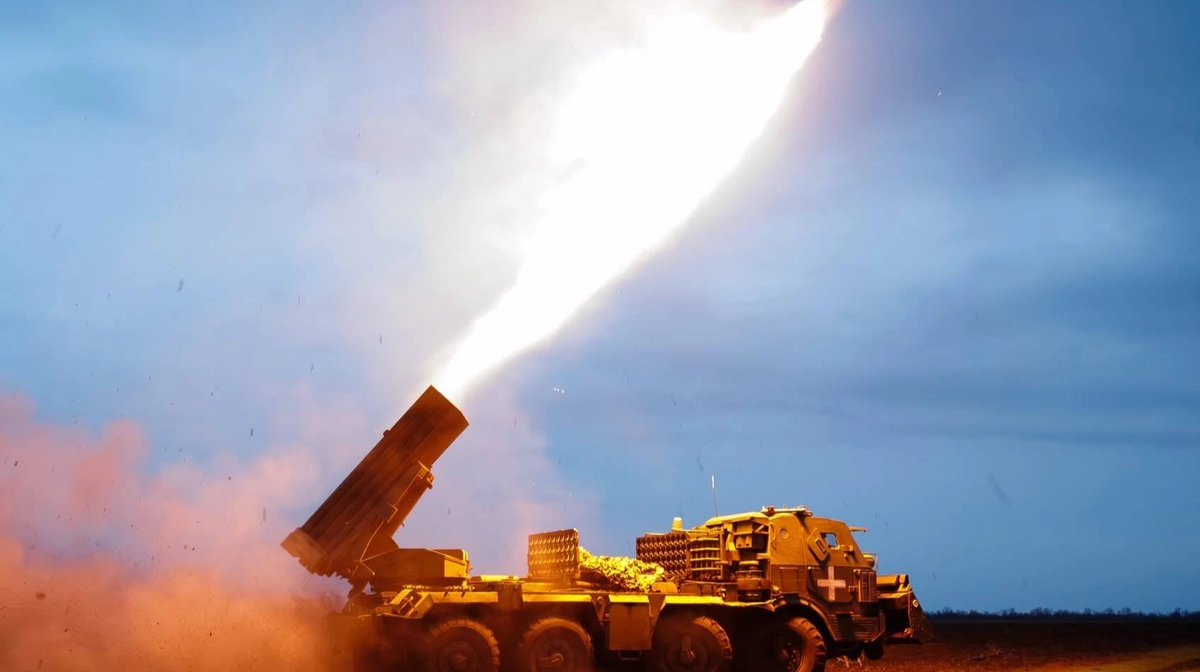
Russia reportedly lost 1,230 personnel in the past day, taking cumulative personnel losses to ~1,301,260 since 24 Feb 2022. Reported equipment increases include +65 artillery systems (total 39,293), +3 tanks (total 11,833), and +1,236 operational-tactical UAVs (total 214,629). The update from the Ukrainian General Staff is likely to sustain elevated geopolitical risk and a risk-off market tone, with potential selective upside for defense names and continued sensitivity in energy risk premia.
Sustained high platform attrition is shifting demand from one-off capital buys toward recurring, high-volume consumables (ammo, propellant, EO sensors, spare parts) and rapid-repair logistics. That structural tilt favors manufacturers with scale in munitions lines and vertically integrated supply chains where lead-times can be shortened from 12+ months to seasonal 3–9 month replenishment cycles.
A second-order effect is budget reallocation: expect short-to-medium term defense budgets to prioritize sustainment and surge production capacity over cutting‑edge modernization programs. That benefits companies that can quickly retool commodity production (steel, propellants, fasteners, microelectronics assembly) and penalizes firms dependent on long R&D cycles and bespoke systems whose order books can be deferred.
Key tail risks and catalysts cluster around two decision points — Western political will and industrial bottlenecks. If major NATO contributors approve large, multi-year munitions packages within 30–90 days, expect order flow and backlog visibility to surge; conversely, donor fatigue or a negotiated pause would quickly compress demand and inventory buildup over 3–6 months.
Contrarian angle: the market often reflexively bids the big primes as the “safe” play; the higher expected returns are likely in mid-cap producers of ammunition components, specialty steel and EO sensors whose revenues grow linearly with consumption and whose multiples have not rerated. Positioning should therefore favor high-throughput manufacturers and logistics plays rather than solely platform OEMs.
AI-powered research, real-time alerts, and portfolio analytics for institutional investors.
Request DemoOverall Sentiment
strongly negative
Sentiment Score
-0.65
