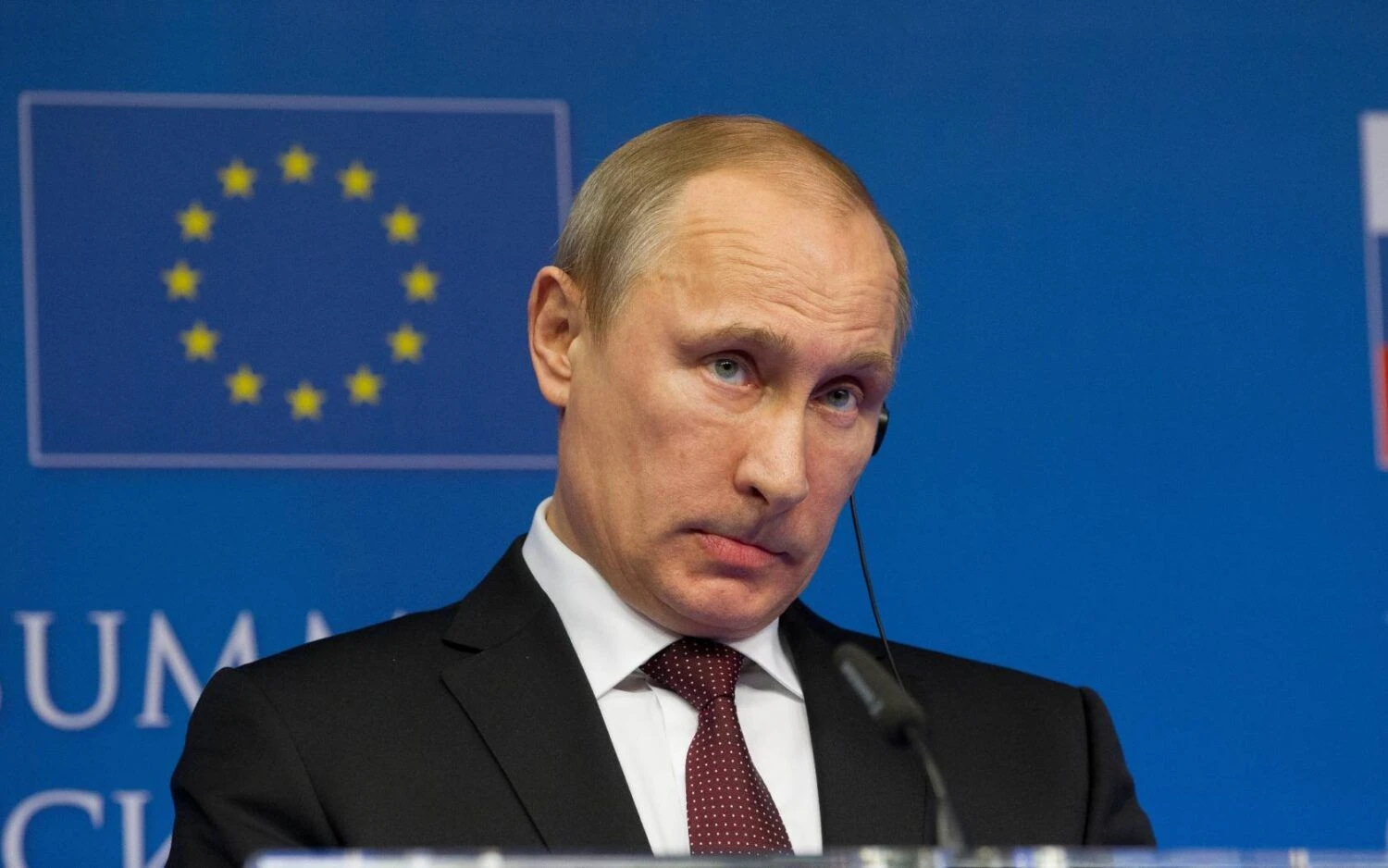
Putin said the battlefield situation gives Russia grounds to claim the conflict is nearing an end, but he offered no timeline or concrete details. He also blamed the European Union for events in Ukraine, underscoring continued geopolitical tension amid ongoing hostilities and Russian attacks on Ukrainian cities. The comments are not a direct market catalyst, but they reinforce war-risk uncertainty for defense, energy, and broader European assets.
This is less a ceasefire signal than an attempt to reshape expectations and soften bargaining positions. Markets should treat it as a tactical information operation: any suggestion of conflict fatigue can compress implied volatility in European defense and energy, but the underlying kinetic risk remains unchanged until we see verifiable changes in mobilization, missile inventories, or cross-border logistics. The near-term read-through is bearish for event-driven peace trades because the message is not paired with concessions, timelines, or monitoring mechanisms.
The more important second-order effect is on European policy. Blame-shifting toward the EU is likely designed to widen intra-bloc political friction ahead of budget debates, aid packages, and election cycles; that raises the tail risk of slower, more fragmented support to Ukraine over the next 1-3 quarters. For defense supply chains, any rhetorical de-escalation that fails to change battlefield intensity still preserves procurement momentum, but it can temporarily pressure stocks with longer duration narratives and rich multiples, especially names exposed to headline-driven re-rating rather than signed backlog.
The contrarian setup is that public optimism about an approaching end may be used to fade defense exposure too early. In prior conflict phases, rhetoric around negotiations often preceded intensified strikes as leverage increased, which means the real risk is not peace but a spike in munitions burn and air-defense consumption over the next 2-8 weeks. If the market begins pricing lower aid urgency, that creates an opportunity to buy quality defense at better entry points after any sympathy selloff, while avoiding direct shorts on geopolitical optionality unless there is confirmed diplomatic progress.
AI-powered research, real-time alerts, and portfolio analytics for institutional investors.
Request TrialOverall Sentiment
mildly negative
Sentiment Score
-0.20
