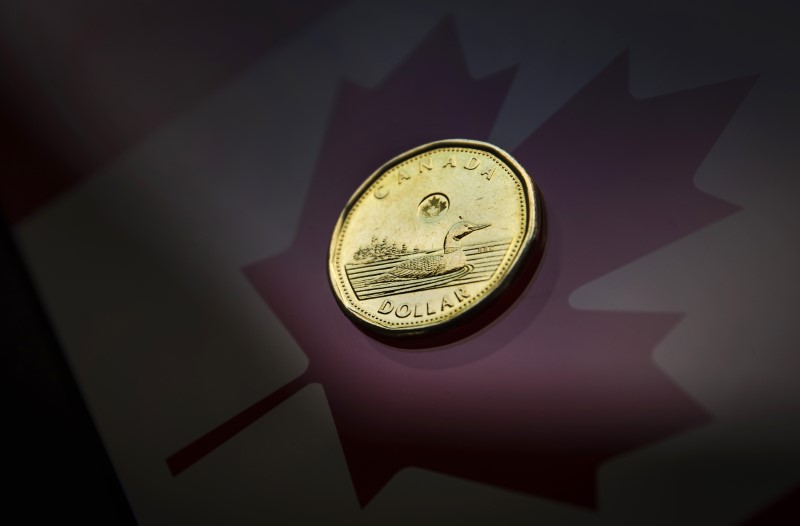
Barclays expects the Canadian dollar to underperform other commodity-linked currencies as US trade frictions and the USMCA renegotiation add near-term uncertainty; the treaty renews automatically on July 1, a key timeline marker. Higher energy prices are currently supporting the CAD but leave it vulnerable to de-escalation in the Middle East, while ongoing trade tensions continue to weigh on the Canadian economy.
Canada’s FX moves will be driven more by real-money positioning and policy response than by a single oil-price print. A deterioration in cross-border trade certainty lifts a durable risk premium on CAD via capex deferral and portfolio rebalancing (non-resident Canadian bond holdings tend to retrench during trade disputes), which typically shows up as a weaker CAD over 1–6 months even if oil remains range-bound.
Second-order supply-chain effects matter: automotive and parts exporters facing US sourcing frictions will see longer invoicing cycles and higher working capital, pressuring corporate FX hedges and pushing more US-dollar selling onto the market when they eventually roll exposure — a transient dollar demand spike followed by domestic rate/credit tension. That dynamic increases tail volatility: a headline escalation can move USDCAD >2–3% intraweek, while a binding trade deal or a sustained oil shock can reverse that within 4–12 weeks.
Policy cross-currents create asymmetric payoff opportunities. A growth shock from trade policy is likely to loosen BoC tone (short-end underperformance), whereas an oil-driven shock tightens it; this creates reliable carry and curve trades around event windows. Because these drivers are distinct, we prefer directional, time-boxed FX option structures and targeted equity hedges rather than outright long-duration Canadian rate exposure.
AI-powered research, real-time alerts, and portfolio analytics for institutional investors.
Overall Sentiment
mildly negative
Sentiment Score
-0.25
Ticker Sentiment
