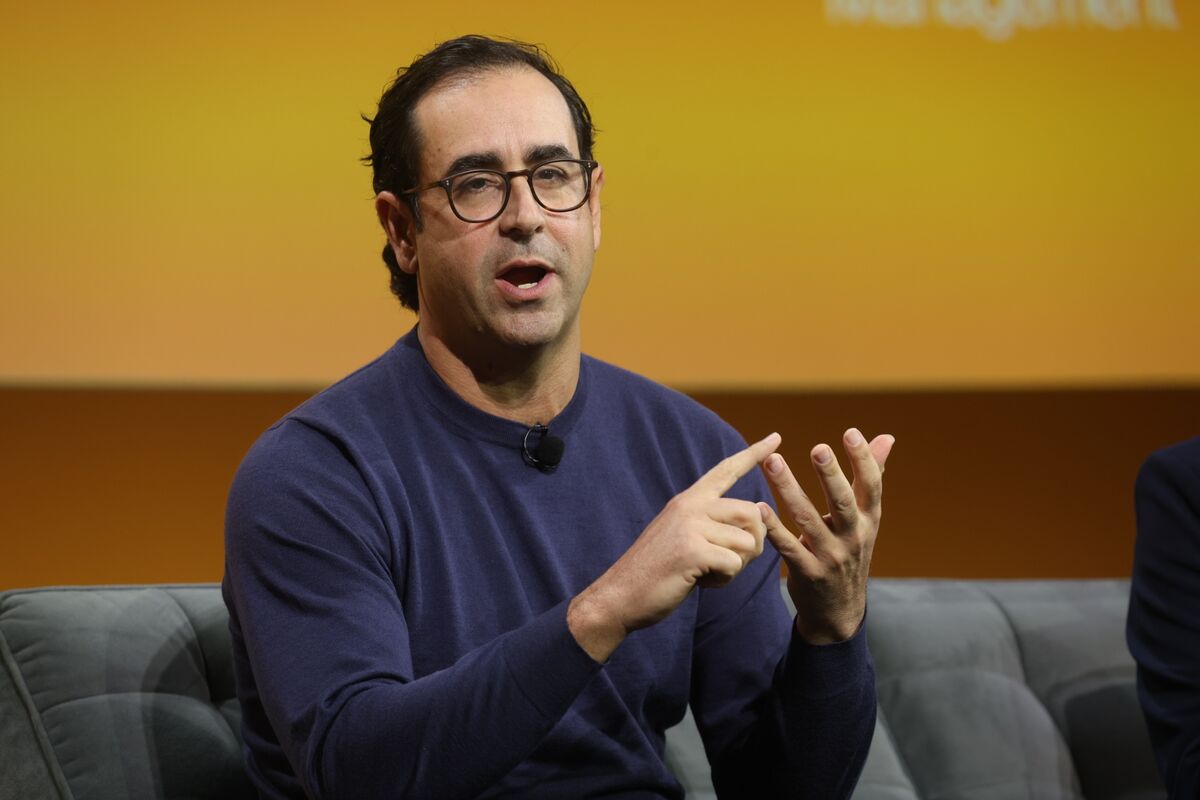
Apollo co-president John Zito said private credit is the safer place for investors as markets move into a higher-volatility regime. He also noted that artificial intelligence is reshaping the broader investing ecosystem. The comments are directional but do not include any new financial figures or company-specific action.
The key market implication is not that private credit is “safe,” but that elevated volatility increases the value of control over underwriting, documentation, and maturity structure. That favors scaled private-credit platforms with deep origination and liability-management capabilities, while pressuring broadly syndicated loan markets where price discovery is faster and risk premium dispersion widens. In a regime of higher rates plus more variable asset prices, the spread between lenders who can price idiosyncratic risk and those who are forced to own beta should widen materially over the next 6-12 months. The second-order winner is any manager positioned to refinance stressed borrowers out of the public markets and into bespoke private solutions; that can lift fee pools and improve retained economics for Apollo-like platforms, but it also creates a late-cycle opportunity set that may be strongest just before credit quality turns. The risk is that the “safer” framing becomes consensus precisely when AI-driven capital spending and levered data-center buildouts start to expose pockets of covenant-light excess. If growth slows or refinancing windows shut, private credit may look less like a defensive asset and more like a warehousing trade for future stress, especially in sponsor-backed loans and adjacent asset-based finance. The AI angle matters because it can intensify dispersion rather than simply increase broad-market volatility: winners can lever cheaply into infrastructure, while losers face accelerating competitive obsolescence and refinancing pressure. That supports relative value in lenders with collateral coverage and short duration, but it argues against complacency in funds that have been stretching into software, venture debt, or leveraged tech-adjacent credits. The contrarian view is that current enthusiasm for private credit may already embed too much quality optimism, while the next downgrade cycle will reveal whether “illiquidity premium” is actually compensation for delayed mark-to-market recognition rather than superior economics.
AI-powered research, real-time alerts, and portfolio analytics for institutional investors.
Overall Sentiment
neutral
Sentiment Score
0.10
Ticker Sentiment
