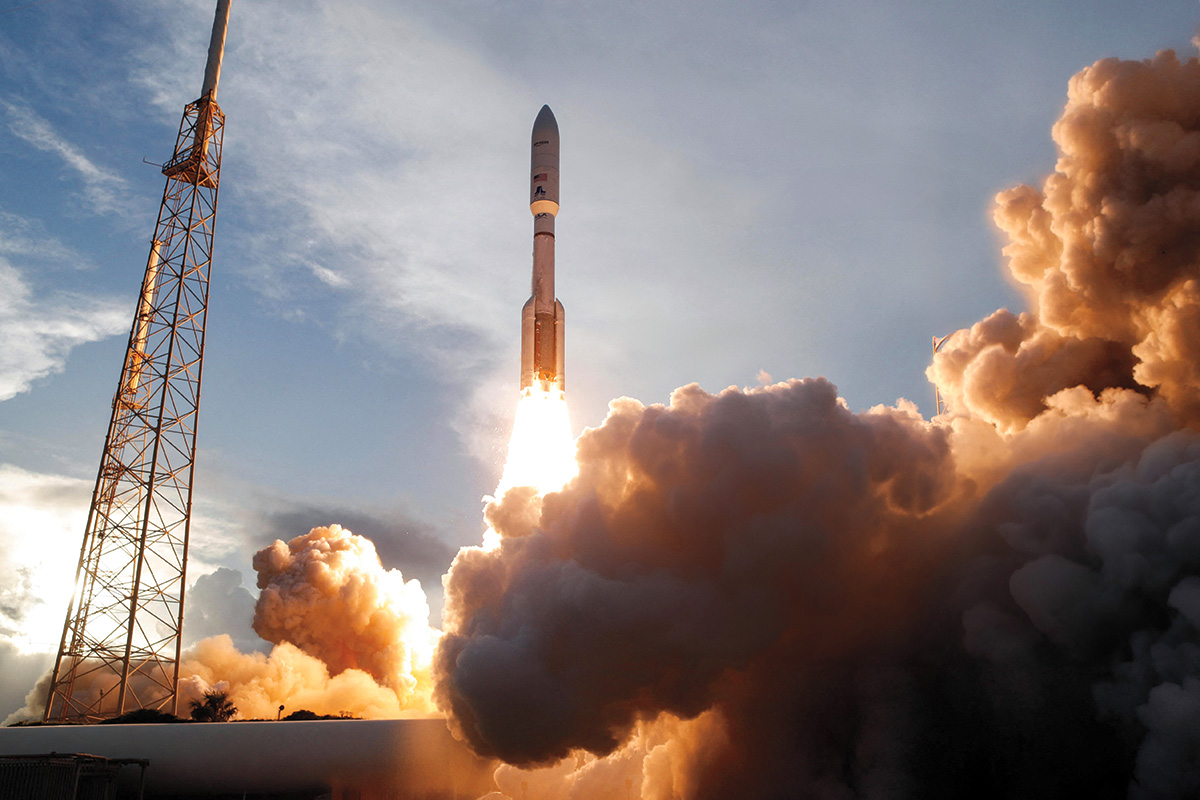
Florida’s space industry is entering a scale-up phase that is commercially significant but operationally disruptive: the state saw a record 109 launches in 2025 (101 by SpaceX), SpaceX reported $11.8 billion revenue in 2025 driven largely by Starlink, and the company has applied to the FAA to fly Starship up to 120 times a year. Regulators, local governments and incumbents face trade-offs — Spaceport Florida projects hundreds to thousands of annual launches over coming decades while airlines and airports warn of major airspace delays (FAA estimates each Starship launch could affect up to 400–600 aircraft) and communities cite sonic-boom and infrastructure damage risks — even as private players (Blue Origin, sea-launch startups) and state investments (Port Canaveral $1.2bn, $90.5m transport spending) chase growth. Investors should weigh strong revenue growth and first-mover advantages against regulatory, environmental and airspace constraints that could cap cadence or raise operating costs.
Market structure: Winners are vertically integrated satcom/launch integrators (SpaceX/Starlink analogs), coastal port/marine contractors and large defense primes that can convert launch cadence into recurring contracts. Losers include commercial airlines (airspace disruption), local tourism/real‑estate adjacent to pads, and pure-play small launch companies without recovery/reuse economics. Expect pricing pressure on standalone launch services (down >20% real terms over 3–5 years if reuse scales) while satellite operators with downstream services capture most long‑term value.
Risk assessment: Tail risks include an FAA-mandated cap on cadences after a major accident or litigation (could cut launches by 30–70% for 6–18 months), or large airline-industry litigation forcing regulatory limits. Near term (days–months) FAA rulings and local ordinances matter; medium term (6–24 months) is when D2D commercial approvals and Kuiper/Starlink subscriber growth will shift telco economics; long term (3–10 years) is capital intensity and port/infrastructure rollouts. Hidden dependencies: airspace coordination, insurance/indemnity regimes, and port expansion financing (municipal bonds) will throttle growth unless funded.
Trade implications: Tactical trades favor long diversified winners (AMZN exposure to Kuiper/Blue Origin + AWS) and small, targeted long in BA for defense/space backlog; hedge telco exposure (T) with options. Favor maritime/port infra contractors and specialty insurers; avoid idiosyncratic small launch equities without clear reuse paths. Time trades to FAA/FCC milestones in next 30–120 days.
Contrarian view: Consensus overstates immediate Starship ubiquity and understates opportunity in sea‑based launches, port expansion and insurers — these are likely underpriced and will capture scarcity rent over 2–5 years. Conversely, outright shorting large diversified telcos is overdone; use hedges not full shorts because wireline/wireless bundles and enterprise revenue provide resilience.
AI-powered research, real-time alerts, and portfolio analytics for institutional investors.
Request DemoOverall Sentiment
mixed
Sentiment Score
0.12
Ticker Sentiment
