A recent drone incursion into Polish airspace by inexpensive Russian decoys underscored NATO's critical 'cost asymmetry' challenge, where expensive air defenses counter low-cost threats, and exposed the alliance's slow traditional procurement systems. The Ukraine conflict is accelerating a two-speed defense acquisition process, driving rapid innovation from agile startups and prompting calls for a 'high-low mix' of defense capabilities. This necessitates Western defense industries to urgently scale production of high-volume, low-cost interceptors to counter Russia's mass drone manufacturing, signaling significant strategic adjustments and investment opportunities in agile defense technology.
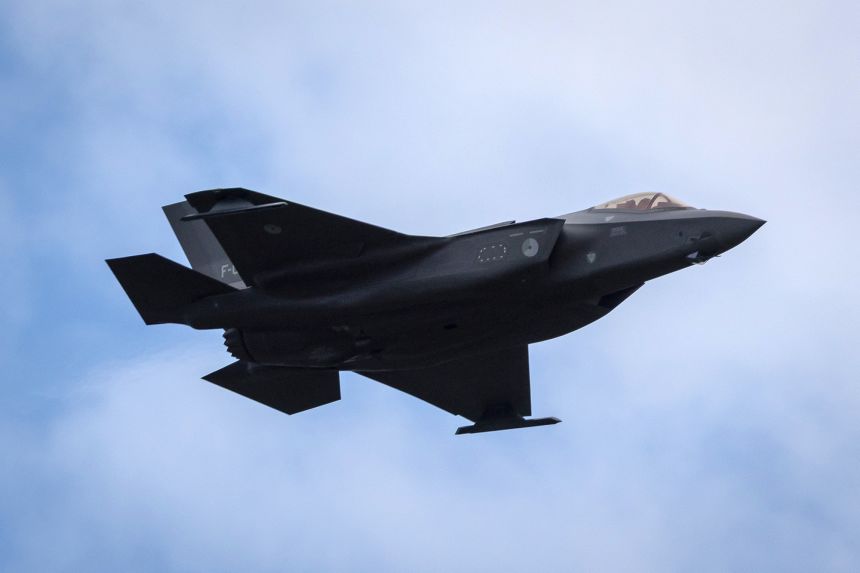
A recent Russian drone incursion into Poland has starkly highlighted a critical strategic and economic vulnerability for NATO: a significant 'cost asymmetry' in its defense posture. The incident involved inexpensive, decoy-like drones, estimated to cost around $10,000 each, which triggered a response from multi-million-dollar fighter jets, an unsustainable economic model for sustained conflict. This issue is exacerbated by what industry leaders describe as antiquated NATO procurement systems, which are too slow to adapt to the rapidly evolving threat of low-cost unmanned systems. The conflict in Ukraine has created a 'two-speed' acquisition environment, where procurement for Ukraine is fast-tracked while purchasing for member nations' own defense remains mired in bureaucracy.
This pressure is fostering a new defense ecosystem. Agile startups like MARSS (AI-enabled interceptors), Tekever (surveillance drones), and Origin Robotics (attack and interceptor drones) are rapidly developing and deploying effective, lower-cost solutions, often proven in Ukraine before being considered for adoption by NATO forces. For instance, the UK's Royal Air Force adopted Tekever's AR3 drone within six months after its performance in Ukraine. In response, senior defense officials in the UK and US are now publicly calling for innovation at a 'wartime pace' and a move towards a 'high-low mix' of capabilities. However, a significant challenge remains in scaling production to counter Russia's output, which is estimated at 5,500 drones per month. Established manufacturers like Nammo are beginning to pivot towards higher volumes of low-cost missiles but caution that the Western defense industrial base is only at the 'beginning of the beginning' of the necessary ramp-up.
AI-powered research, real-time alerts, and portfolio analytics for institutional investors.
Request DemoOverall Sentiment
mixed
Sentiment Score
-0.10
