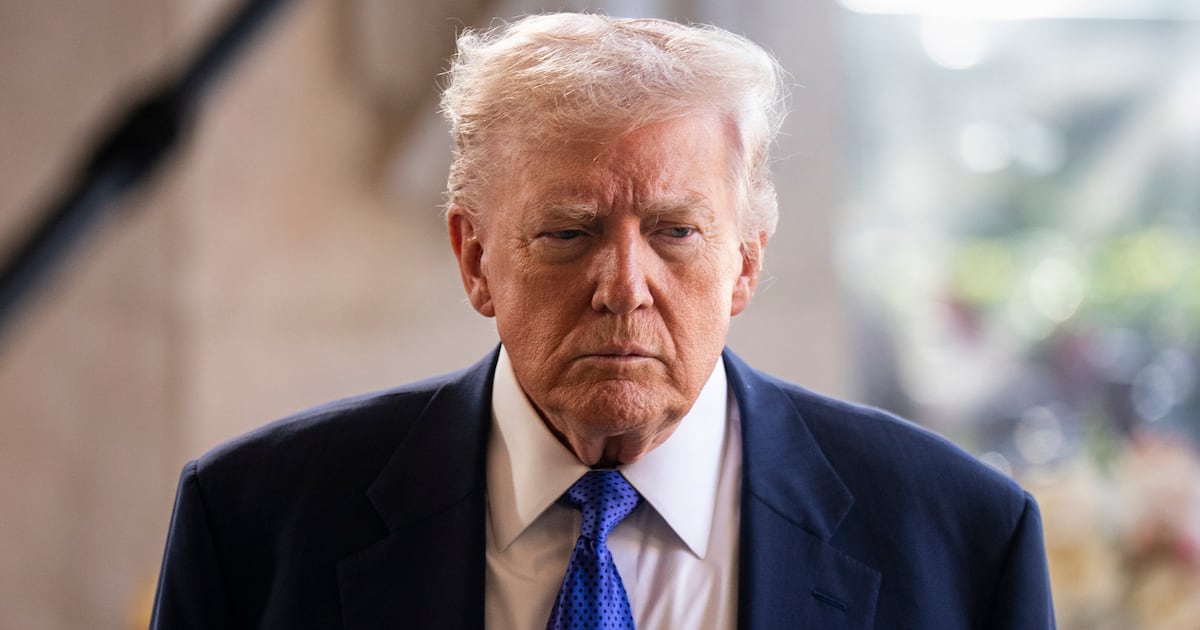
A Gallup survey of 1,000 respondents across 107 countries (March–October 2025) finds 33% of Americans name politics as the nation’s top problem—outpacing the economy and standing in contrast to a global median of 23% who cite economic concerns and just 8% who cite politics. The U.S. focus on political anxiety is split sharply by party (Democrats centered on President Trump, Republicans on distrust of Democrats and perceived corruption), with younger respondents more likely to cite economic worries; complementary polls show worsening public views of Trump (YouGov/Economist: 71% say the U.S. is “out of control”; Harvard/Harris: 51% say Trump is doing worse than Biden).
Market-structure: Elevated U.S. political salience raises risk premia for domestically sensitive sectors and boosts demand for defensive, long-duration assets. Expect relative winners: defense contractors (LMT, RTX, GD), gold (GLD) and high-quality long-duration treasuries (TLT); losers: consumer discretionary (XLY), small-caps (IWM) and travel/leisure where consumer confidence drives revenue. Volatility and headline-driven flows will compress pricing power for cyclical retailers and amplify margins for firms with recurring revenue and government exposure.
Risk assessment: Tail risks include a contested election, major immigration or foreign policy shock (esp. Taiwan/China) or large-scale protests—each could trigger 10–30% drawdowns in risk assets and 100–300 bps move in 10y yields. Near-term (days–weeks) expect spikes in implied volatility (+20–50% on headline days); medium-term (3–12 months) rotation to quality; long-term (1–3 years) potential higher risk premia on U.S. equities if policy uncertainty persists. Hidden dependencies: consumer credit spreads and small-business hiring are second-order amplifiers of recession risk.
Trade implications: Favor quality defensives and geopolitical plays while hedging equity exposure; buy protective options rather than naked shorts. Tactical pair trades (long government-exposed names vs short cyclicals) and selective long positions in defense and gold offer asymmetric payoff if political risk remains elevated. Reassess around concrete catalysts (legal rulings, midterm results, China-Taiwan incidents) within 30–90 days.
Contrarian angles: Consensus fear likely overshoots—if headlines normalize, cyclicals and small caps can rebound sharply (historical parallel: post-2016 selloff → strong rally). Mispricing window: implied volatility typically decays faster than fundamentals; selling premium on idiosyncratic event days (after spike) and rotating into beaten-down cyclicals on 15–25% drawdowns can capture reversion. Beware crowd crowded hedges (deep OTM puts) going illiquid during largest tail events.
AI-powered research, real-time alerts, and portfolio analytics for institutional investors.
Request DemoOverall Sentiment
moderately negative
Sentiment Score
-0.30
