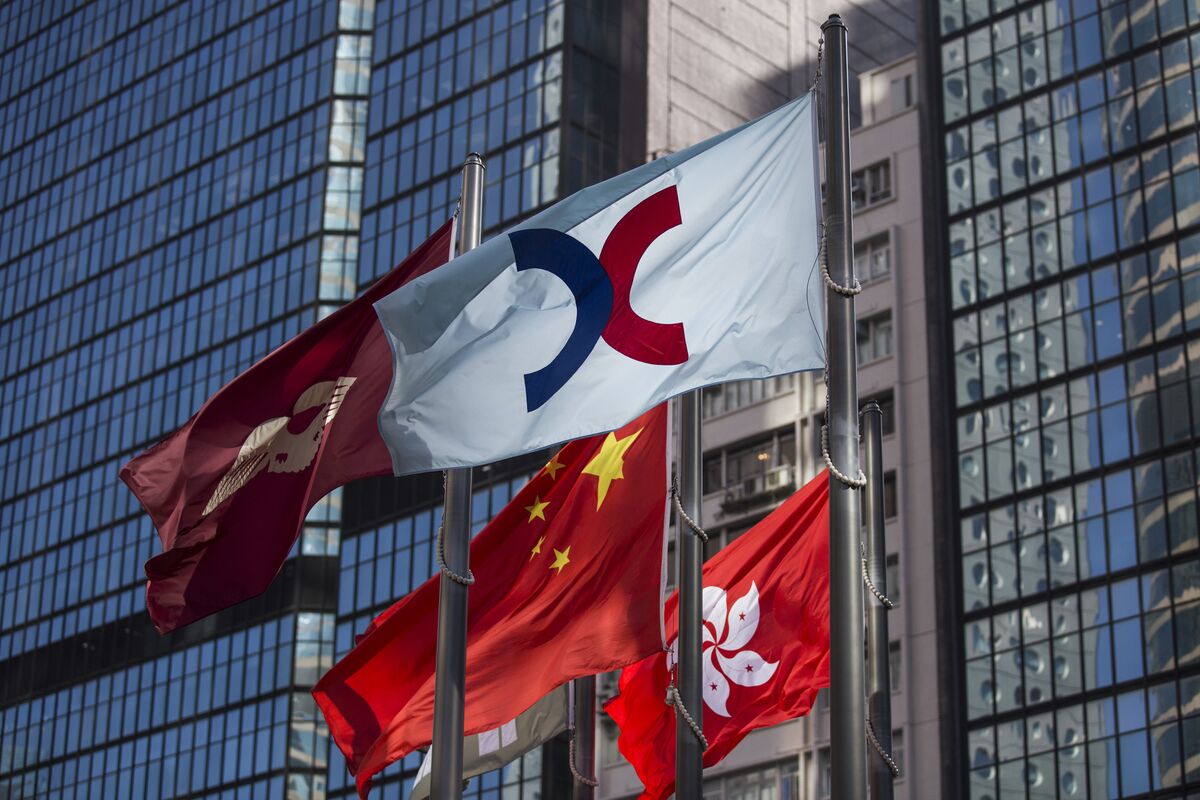
Jingdong Industrials, JD.com’s supply‑chain technology unit, priced its Hong Kong IPO in the middle of the marketed range, selling 211.2 million shares at HK$14.1 each to raise HK$2.98 billion (about $383 million). The listing concludes a more-than-two-year wait for approval from China’s securities regulator and provides the business with fresh capital to support its logistics and supply‑chain technology operations.
Market Structure: Jingdong Industrials’ HK IPO (HK$2.98bn at HK$14.1) modestly signals durable institutional appetite for China logistics-tech but not froth — midpoint pricing implies ~neutral demand and a measured valuation anchor for peers. Winners: China logistics SaaS/automation vendors and JD’s ability to monetize supply‑chain IP; losers: short‑term holders of closely‑linked 3PL operators facing new listed comps and potential parent share overhang. Cross‑asset effects are small but directional: slight uptick in JD implied vol and HK tech flows, negligible commodity impact, and idiosyncratic credit spreads for related financings if JD uses proceeds or reallocates debt.
Risk Assessment: Tail risks include fresh China data/security rules or a parent share sale that creates >10% incremental float — both could compress multiples by 15–30% within months. Immediate (days): IPO aftermarket volatility around listing; short‑term (3–6 months): lock‑up expiries and CSRC/CSRC‑adjacent guidance; long‑term (1–3 years): revenue growth tied to e‑commerce volume and automation adoption. Hidden dependencies: intercompany contracts, related‑party revenues, and JD’s voting control that could change capital allocation; catalysts include quarterly trade data, prospectus lock‑up clauses, and any parent stake disposals.
Trade Implications: Direct play: selective long exposure to JD (ticker: JD) to capture potential re‑rating from asset monetization, but size limited (2–3% of portfolio) due to regulatory tail risk. Pair trade: long JD (2%) / short BABA (1.5%) to express value‑unlock vs. broader platform exposure; options: buy 12‑month call spread on JD (buy 25% OTM, sell 60% OTM) to cap premium outlay. Rotate 1–2% from commoditized 3PL equities (e.g., SFH) into logistics‑tech names listed in HK/IPOs over next 6–12 months.
Contrarian Angles: Consensus may underweight dilution/overhang risk — IPO is fundraising, not clear value crystallization; market may underprice the chance JD parent sells stake within 6–12 months which would flip a neutral IPO signal into negative supply shock. Historical parallel: China tech spinouts have re‑rated when governance and lock‑ups align (2019–21), but they have also fallen 20–40% when regulatory headlines hit. Unintended consequence: increased visibility could invite higher regulatory scrutiny on data use in logistics, raising compliance costs and compressing margins over 12–24 months.
AI-powered research, real-time alerts, and portfolio analytics for institutional investors.
Request DemoOverall Sentiment
neutral
Sentiment Score
0.12
Ticker Sentiment
