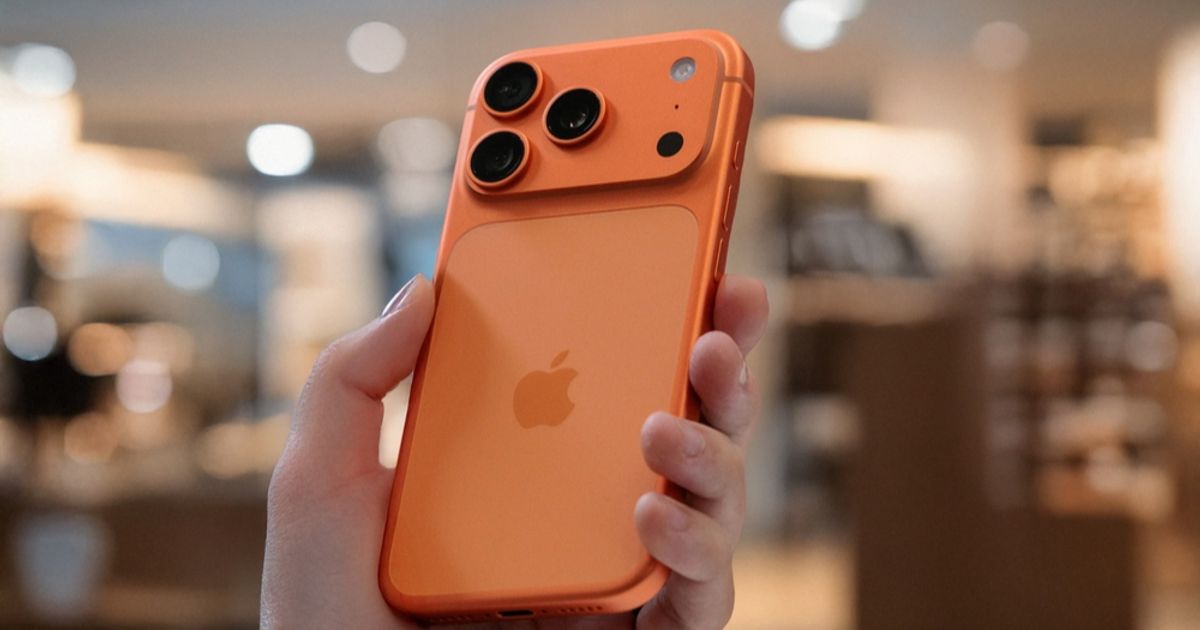
Apple is reportedly shifting its iPhone cadence by delaying the standard iPhone 18 until spring 2027 while still launching the iPhone 18 Pro, 18 Pro Max and its first foldable in fall 2026, a move that would mark the first calendar year without a new standard model. The staggered release—fall for higher-end models and spring for standard/lower-cost devices (including an iPhone 18e and iPhone Air 2)—could sharpen product differentiation and extend sales runways but may alter near-term revenue timing and the company’s 2026 unit mix if confirmed.
Market structure: Splitting launches shifts revenue timing from unit-driven cycles to mix-driven cycles — winners are premium-component suppliers (TSM, AVGO, GLW) and display/lens vendors for foldables; losers are contract manufacturers and low-end parts suppliers that rely on annual refresh volume. Expect ASP uplift of ~3–7% if Pro/foldable mix rises materially, supporting gross-margin upside of ~50–200bps even with flat unit sales; however total iPhone units could be down mid-single digits year-over-year in 2026 if standard SKU delays persist.
Risk assessment: Near-term (days–weeks) headline volatility will hinge on analyst revisions and options IV into fall; short-term (3–9 months) risks include inventory build-up in channels and demand elasticity for higher-priced models; long-term (12–36 months) risks include execution failure on foldable ramp, supply constraints at TSMC, or regulatory actions (antitrust or export controls). Hidden dependencies: chip allocation, display yields, and carrier subsidies will disproportionately affect Pro vs non-Pro sell-through — watch supplier order cadence for early read.
Trade implications: Tactical overweight semiconductors (TSM, AVGO) and premium materials (GLW) for 6–18 months; maintain a modest AAPL core long (2–3% portfolio) funded by trimming contract-manufacturer exposure. Use options: sell short-dated calls into the fall Pro/foldable event to collect IV and buy Apr–Jul 2027 calls 10–20% OTM to capture the delayed standard iPhone re-rate around spring 2027.
Contrarian angles: Consensus focuses on “missed yearly cadence” as negative — we see an underpriced revenue-mix re-rate if Apple sustains higher Pro/foldable mix; historical parallel: iPhone X (2017) produced margin upside despite unit growth headwinds. Unintended consequence: prolonged SKU overlap (8 models) may raise marketing/return costs and temporarily compress channels — use sell-through and supplier book-to-bill >1.1 as a trigger to add risk.
AI-powered research, real-time alerts, and portfolio analytics for institutional investors.
Request DemoOverall Sentiment
neutral
Sentiment Score
0.00
Ticker Sentiment
