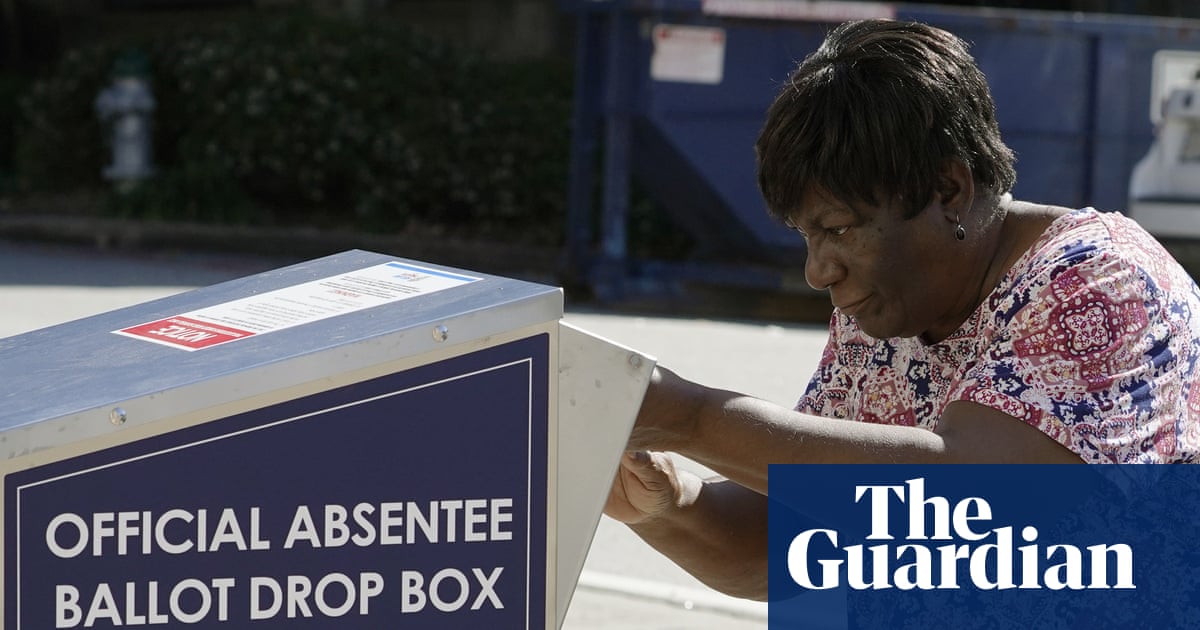
President Trump signed an executive order directing DHS and the SSA to compile a national verified voter file and instructing USPS to begin rulemaking that would restrict mail-in ballots to a USPS-approved list. The order requires a verified citizenship list within 60 days of an election (while federal law allows voter registration up to 30 days before election day), raises constitutional and sensitive-data privacy concerns, and has already prompted threats of litigation from state officials in Oregon and Arizona. Given prior court defeats for DOJ requests for voter data and legal experts calling the EO unconstitutional, implementation faces significant legal hurdles and is unlikely to withstand judicial review, creating political and legal risk but limited direct market impact.
Should a federal push to centralize politically sensitive identity datasets advance, expect a multi-quarter procurement cycle that disproportionately benefits incumbents in identity orchestration and secure data integration rather than one-off niche vendors. Large government integrators and specialist security SaaS firms can convert multi-year contracts into high-margin recurring revenue; timeline to meaningful revenue is 6–18 months given normal RFP and FedRAMP processes.
State resistance and rapid litigation are the most probable near-term brakes, creating a stop‑start environment where the market prizes companies that can operate in a contested legal/regulatory landscape (cybersecurity, legal tech, and crisis PR). Emergency injunctions and data-access litigation will likely produce headlines in days-to-weeks and substantive appellate resolution over 6–24 months, generating episodic volumes of consulting and security spend.
Operationally, centralization increases asymmetric cybersecurity risk: a single compromise of a federated register would force governments into costly remediation, regulatory fines, and accelerated privacy legislation — a tail event that could knock 10–20% off affected vendors’ valuations in a single day. Conversely, proven zero‑trust and data‑localization providers stand to see tender activity and budget reallocation that is under-followed by the market today.
Contrarian read: the consensus that political friction kills all upside misses that even failed centralization attempts produce durable demand — states will accelerate local hardening, spawning repeatable contracts for security and identity vendors. Tradeable window: buy exposure to vendors positioned for recurring state-level work and hedge for headline-driven litigation risk over the next 6–18 months.
AI-powered research, real-time alerts, and portfolio analytics for institutional investors.
Request DemoOverall Sentiment
moderately negative
Sentiment Score
-0.45
