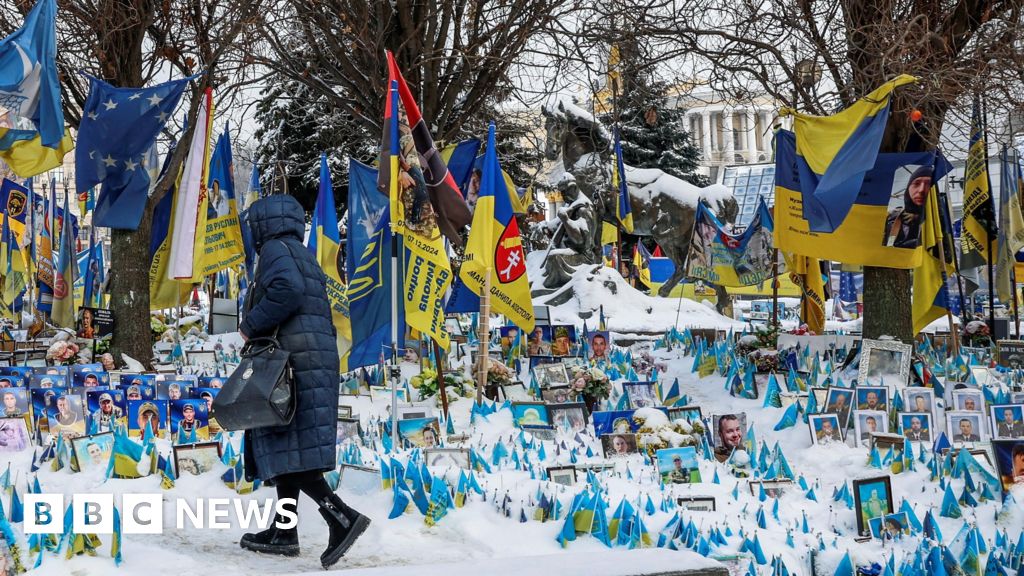
Ukraine has declared a state of emergency in its energy sector—focused on Kyiv—after sustained Russian missile and drone strikes amid a severe cold snap (overnight lows around -20°C), with one heavy attack leaving roughly 70% of the capital without power and over one million in the southeast temporarily without heating or water. President Zelensky has ordered a round-the-clock task force, expanded emergency heating/power points, and foreign procurement of replacement equipment, while DTEK, the country’s largest private energy provider (serving 5.6 million people), says it is in 'permanent crisis mode' from repeated waves of strikes. The situation raises acute operational and infrastructure risk for Ukrainian power delivery and presents potential knock-on risks for regional energy markets and infrastructure-focused investors.
Market structure: Energy-security shock re-routes value to defense, thermal/LNG supply chains and grid-resilience vendors while penalising local utilities and insurers with Ukraine exposure. Expect spot European gas and power volatility to remain elevated—front-month TTF/JKM price spikes of 30–100% are plausible on severe outage waves—boosting merchant generator margins and short-term supplier pricing power. Financially, Ukrainian sovereign and corporate credit spreads should widen; FX pressure on UAH will be persistent until substantive external financing arrives.
Risk assessment: Tail risks include broadening strikes that shut major interconnectors or LNG terminals (low-probability, high-impact) and NATO escalation triggering sanctions-driven commodity shocks. Immediate (days) risk is supply-disruption-driven price spikes; short-term (weeks–months) is utility liquidity stress and insurance losses; long-term (quarters–years) is accelerated capex in grid hardening and European onshoring of energy. Hidden dependencies: winter severity, EU gas storage levels, and the timing/size of Western energy aid are nonlinear amplifiers.
Trade implications: Favor 3–12 month exposure to LNG exporters and grid-equipment names while underweight European gas-reliant utilities and Ukraine sovereign/corporate debt. Use concentrated options to express volatility (short-dated gas call spreads, long-dated calls on defense and transformer manufacturers) and protect portfolios with targeted sovereign CDS hedges on Ukraine if any EM/CEE exposure exists. Monitor power curve contango/backwardation as a timing signal to scale in/out.
Contrarian angles: Consensus may under-price reconstruction demand: multi-year capex (est. tens of billions) for transformers, substations and mobile generation favors SIEGY/ABB/ETN-like franchises over pure merchant utilities. Conversely, defense stocks are already bid; if strike tempo normalises within 3–6 months, 20–30% of recent risk premia could mean-revert. Unintended consequence: accelerated EU energy independence policies create persistent winners in domestic renewables and storage manufacturing.
AI-powered research, real-time alerts, and portfolio analytics for institutional investors.
Request DemoOverall Sentiment
strongly negative
Sentiment Score
-0.60
