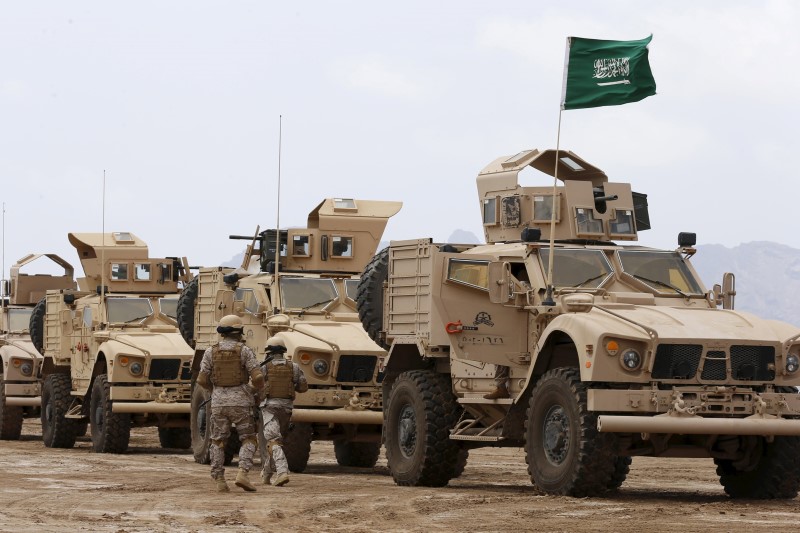
A March 3 Iranian drone strike penetrated the U.S. Embassy compound in Riyadh, igniting a fire that burned for 12 hours and leaving multiple floors and sections described as "unrecoverable," including parts of the CIA’s local station. The breach — plus reported damage to U.S. aircraft at Prince Sultan Air Base and Tehran’s claimed hits on combat jets — follows an environment of over 20,000 retaliatory strikes and ~2,500 attempted attacks on the UAE, prompting business-park closures, State Department warnings, and a shift from short-term contingency plans to long-term "war risk" assessments for Saudi operations. Expect heightened risk premia for regional assets, pressure on supply-chain continuity, and elevated volatility in energy and logistics exposures.
The market is recalibrating from episodic contingency planning to a persistent "war-risk" premium across Gulf operations; corporates will internalize higher fixed security costs (hardened compounds, armed transport, insurance) that compress local operating margins by low-to-mid single digits over 6–24 months. That shift benefits specialist integrators and contractors with capital-light recurring revenue (security logistics, cyber, base-hardening services) while delivering a multi-year headwind to commercial office and hotel landlords who rely on expatriate occupancy in Riyadh and other Gulf hubs.
Defense primes and ISR/EW vendors are the proximate beneficiaries because procurement cycles can be accelerated via supplemental appropriations and allied re-basing in months, not years. A modest $5–15bn incremental Gulf-focused procurement program over 12–24 months would move 1–2% of sales at top primes and 4–6% at mid-cap niche vendors — enough to re-rate forward multiples if booked visibility improves. Shipping and logistics see a mechanical cost shock: re-routing, higher insurance P&I premiums, and more bunker consumption imply 3–8% incremental landed cost for certain Asian-Europe/ME routes in the next 3 months, pressuring inventory turns.
Tail risk is asymmetric: escalation that impacts choke points (e.g., Strait traffic) or forces airbase closures would spike energy/transport premiums within days; conversely a credible de-escalation or diplomatic back-channel that yields rapid base hardening commitments could deflate risk premia within 30–90 days. Monitor three catalysts: supplemental defense budgets (30–90 days), corporate evacuation/relocation announcements (30–180 days), and insurance/reinsurance pricing rounds (next renewal season).
AI-powered research, real-time alerts, and portfolio analytics for institutional investors.
Request DemoOverall Sentiment
strongly negative
Sentiment Score
-0.75
